The Independent National Electoral Commission (INEC) in Nigeria has introduced several measures to enhance democratic participation for Persons with Disabilities (PWDs) ahead of the 2027 general election. These measures include priority voting lines, Braille ballot guides for visually impaired voters, magnifying glasses, Form EC30 PWD for tracking disability data, and sign-language interpreters at collation centres. These initiatives are supported by Section 54 of the Electoral Act 2026 (as amended) and the Discrimination Against Persons with Disabilities (Prohibition) Act 2018.
Civil society organisations such as TAF Africa and the Inclusive Friends Association (IFA) have also actively advocated for ramp-accessible polling stations while leading targeted voter education campaigns. Despite persistent structural and mobility challenges, these combined efforts continuously expand democratic access for millions of Nigerian voters. INEC has reaffirmed its commitment to a participatory and accessible electoral system by organising a one-day National Strategy Engagement in Abuja.
The National Strategy Engagement, coordinated by the Gender and Inclusivity Department, brought together national leaders of PWD groups. The engagement with executive members of the Joint National Association of Persons with Disabilities (JONAPWD) and Organisations of Persons with Disabilities (OPDs) focused on developing targeted sensitisation and mobilisation strategies to increase participation and turnout among PWDs during the 2027 general election. INEC Deputy Director of Inclusivity, Mrs Habiba Jatto, noted that the success of the 2027 General Election depended on the active turnout and participation of every eligible Nigerian, including PWDs.
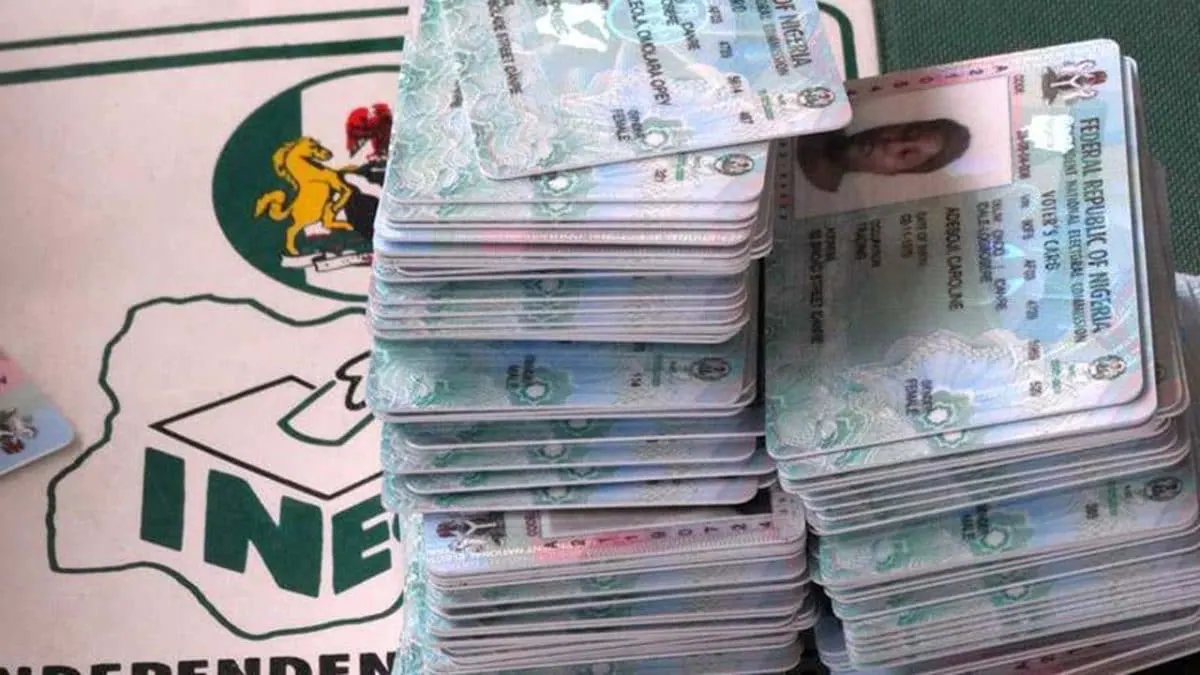
The engagement aimed to develop practical strategies for mobilising PWDs to actively turn out, increasing the collection of Permanent Voter Cards (PVCs), and promoting awareness of their constitutional electoral rights. Stakeholders also sought to identify lingering challenges that hinder participation before, during, and after elections, enhance the dissemination of voter education in accessible formats, and gather practical recommendations to improve overall accessibility. INEC Chairman, Prof. Joash Amupitan, urged PWD organisations to take direct ownership of sensitising their members ahead of the 2027 general election.
Amupitan noted that disability inclusion could not be achieved by INEC alone, stating that it required collective efforts from disability organisations, civil society, and PWDs themselves. He highlighted that cluster leaders were strategically positioned to communicate essential information on voter awareness, voting procedures, and accessibility measures to ensure no eligible voter was left behind. According to INEC, available historical data recorded 137,487 registered voters with disabilities before the introduction of the Automated Fingerprint Identification System (AFIS).
The Director of the Gender and Inclusivity Department, Mrs Lakunuya Bello, described PWDs as an indispensable constituency in Nigeria’s democracy whose choices and participation are essential to electoral credibility. While highlighting existing assistive tools provided by the commission, Bello acknowledged ongoing challenges regarding access to information and facilities. She urged stakeholders to adopt innovative, sustainable strategies to reach PWDs who might be excluded through conventional voter education channels.
The Executive Secretary of the National Commission for Persons with Disabilities (NCPWD), Mr Ayuba Burki, highlighted the numerical strength of the PWDs constituency, with an estimated 35.5 million PWDs in Nigeria. Burki said that this group holds the power to determine election outcomes if fully mobilised. However, he identified movement restrictions on election days and a widespread lack of assistive devices as major barriers keeping PWDs from the ballot box.
Key points
- INEC introduces measures to enhance democratic participation for Persons with Disabilities ahead of the 2027 general election.
- Stakeholders engage in National Strategy Engagement to develop targeted sensitisation and mobilisation strategies for PWDs.
- Estimated 35.5 million PWDs in Nigeria hold the power to determine election outcomes if fully mobilised.