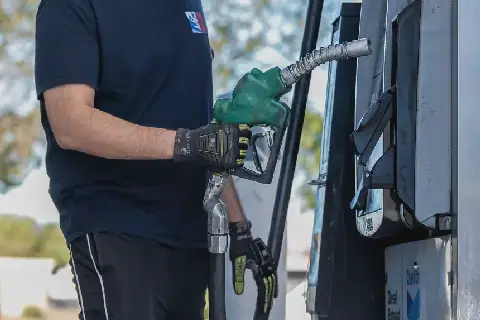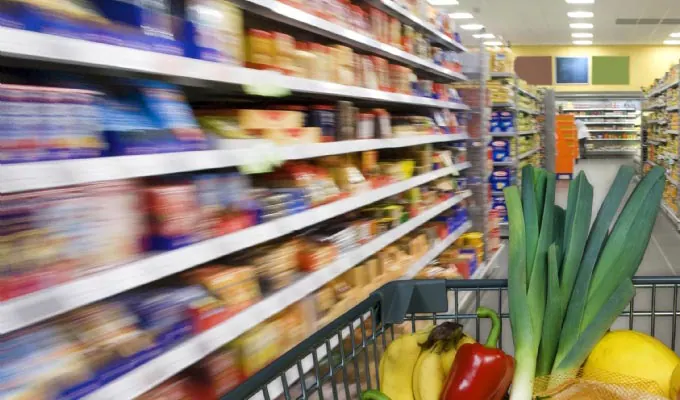
The Tunisian Ministry of Commerce and Export Development has denied reports circulating on social media of new official prices for fuel, gas, and several basic food products. On September 24, 2026, the ministry issued a statement dismissing the price hikes, which had been widely shared online. According to the ministry, no official announcement had been made regarding price increases for these essential products.
The denied price hikes included fuel, domestic gas, milk, sugar, subsidized vegetable oil, semolina, and flour. The ministry emphasized that as of September 24, 2026, no increase in prices for basic products was planned. The statement was reported by the Tunisian National Radio at 22:23. This clarification aims to reassure the public and prevent potential panic buying or market instability.
Although the ministry has denied the official price hikes, the original social media posts and their various versions have not been individually verified. Consequently, it is not possible to determine the exact origin of each reported price. The ministry's denial only addresses the specific prices attributed to them, without commenting on potential future price adjustments.
The Tunisian government has been working to maintain stability in the country's economy and ensure the availability of essential goods. Recent efforts have focused on managing the impact of global economic trends and maintaining a delicate balance between economic growth and social welfare. The government's communication strategy aims to provide clear and timely information to the public.
In related news, Tunisia has made progress in water conservation efforts. According to recent reports, five million cubic meters of water have been saved in seven governorates. This achievement highlights the country's commitment to efficient resource management and sustainable development practices.
The economic situation in Tunisia remains a subject of interest for international observers. Recent analyses have discussed the country's potential for growth, as well as challenges related to debt and economic vulnerability. The International Monetary Fund (IMF) has been monitoring Tunisia's economic situation, providing guidance on navigating these complex issues.
The Tunisian Ministry of Commerce's denial of the price hikes aims to maintain transparency and stability in the market. As the situation continues to unfold, the government is expected to provide updates on any future changes to prices or economic policies. For now, the official stance remains that no price increases have been announced for essential products like fuel, gas, and food.
Key points
- The Tunisian Ministry of Commerce denies reports of new official prices for fuel, gas, and basic food products.
- No increase in prices for basic products is planned, according to the ministry.
- The origin of the reported prices remains unverified, and their authenticity is disputed.