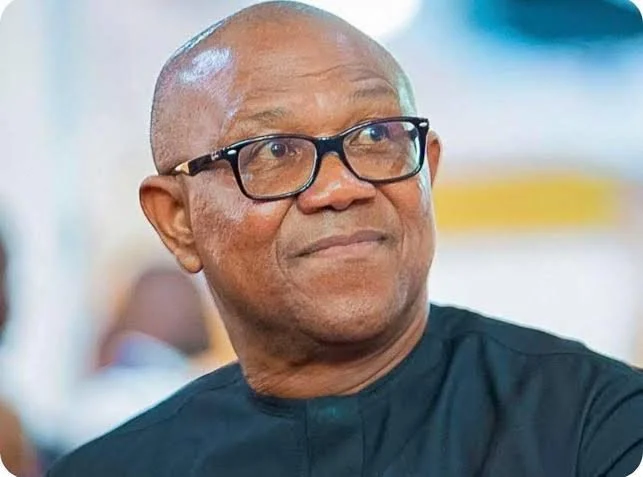
Peter Obi, the presidential candidate of the Nigeria Democratic Congress, has vowed to introduce a transparent fuel subsidy regime if elected president in 2027. During a town hall meeting with NDC members and supporters in Sokoto, Obi outlined his plans for the economy, security, agriculture, education, and infrastructure. He criticized the previous fuel subsidy regime, alleging that corruption had undermined its effectiveness and denied Nigerians the full benefits of government intervention.
Obi promised that any subsidy retained by his administration would directly benefit Nigerians rather than create opportunities for corruption. He, alongside the NDC vice-presidential candidate, Rabiu Kwankwaso, would establish a transparent framework for monitoring crude oil production, transactions, imports, exports, and government revenues. This framework aims to ensure that Nigerians benefit from the country's oil and gas resources.
The former Anambra State governor emphasized that transparency in the management of the country's oil and gas resources would be central to restoring citizens' confidence in government. He accused the ruling All Progressives Congress of worsening poverty and hardship in the country, alleging that the government had failed to provide adequate infrastructure and interventions for citizens. Obi claimed that the country is the most poverty-stricken in the world due to the current administration's inaction.
On the economy, Obi promised that an NDC administration would prioritize agriculture, education, security, and infrastructure to create a more productive economy. He pledged to expand rail transportation, including establishing connections linking Sokoto, Kebbi, and Zamfara with other parts of the North-West and the country. This move aims to boost economic growth and development in the region.
Obi and Kwankwaso would work together to implement their programmes, with closer coordination between the presidency and vice-presidency. On insecurity, an NDC government would collaborate with state governors to tackle banditry, kidnapping, and terrorism, while supporting farmers through fertilizer subsidies and other interventions to boost food production. This approach seeks to address the root causes of insecurity and economic challenges in the country.
Kwankwaso, in his remarks, accused the APC administration of failing to address insecurity and economic challenges affecting the North-West. He urged residents of Sokoto, Kebbi, Zamfara, Kano, Kaduna, Katsina, and Jigawa states to demand improved security and greater economic opportunities. The NDC governorship candidate in Sokoto State, Shamsuddeen Haido, urged party members to remain committed to the party and mobilize support ahead of the 2027 elections.
Obi and Kwankwaso later paid a courtesy visit to the Sultan of Sokoto, Sa'ad Abubakar III, where they sought his blessings ahead of the elections. The visit demonstrates their efforts to build alliances and garner support from key stakeholders in the region. With their campaign promises, Obi and Kwankwaso aim to provide a new direction for Nigeria's economic and security challenges.
Key points
- Peter Obi promises a transparent fuel subsidy regime if elected president in 2027.
- Obi criticizes the previous fuel subsidy regime, citing corruption and ineffectiveness.
- The NDC presidential candidate outlines plans to prioritize agriculture, education, security, and infrastructure to boost economic growth.