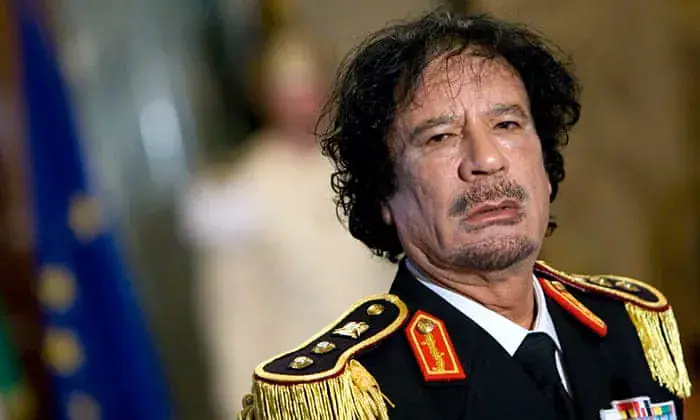
On November 26, 2006, Libyan leader Muammar Ghaddafi arrived in Nigeria for a summit, accompanied by approximately 200 bodyguards and 100 cars. As Minister of Aviation at the time, I was tasked with receiving him at the airport on behalf of President Olusegun Obasanjo. However, Ghaddafi's entourage was met with resistance from Nigerian security personnel, who were concerned about the presence of high-powered weapons in the convoy.
The dispute led to a tense standoff, with Ghaddafi becoming increasingly agitated. At one point, he got out of his car and began walking towards Abuja, accompanied by his bodyguards, after being told that the cars with weapons would not be allowed to pass. I accompanied him, worried that he would collapse in the heat. President Obasanjo intervened, and after a brief conversation with Ghaddafi, he agreed to return to the airport.
Ghaddafi's visit had a significant impact on Nigeria, highlighting the importance of diplomacy and adherence to rules of engagement. The Nigerian military and security agencies played a crucial role in resolving the situation, and President Obasanjo's leadership was exemplary. The incident also underscored the potential risks associated with allowing high-powered weapons to enter the country.
The dispute was eventually resolved after Ghaddafi's team agreed to remove the weapons from the cars and load them back onto the plane. The convoy was then allowed to proceed to Abuja. During his stay, Ghaddafi and I became close, and he even invited me to visit Libya as his personal guest. He was a charismatic leader who loved Africa, and I learned much from him during those four days.
Ghaddafi's visit also highlighted the importance of building relationships and trust between nations. Despite the initial challenges, he and his team showed respect for Nigeria and its leaders from that moment on. The experience was surreal, and I gained valuable insights into the intricacies of diplomacy and international relations.
Five years after his visit, on October 20, 2011, Muammar Ghaddafi met a violent end at the hands of his own people in his hometown of Sirte. I watched the footage of his brutal murder on CNN and was deeply saddened. No one deserves to be killed in such a barbaric manner.
Reflecting on Ghaddafi's visit, I realized that it was a significant moment in Nigeria's history, one that taught me valuable lessons about diplomacy, leadership, and the importance of adhering to rules of engagement. The experience also underscored the need for African leaders to prioritize the safety and security of their citizens.
Key points
- The visit highlighted the importance of diplomacy and adherence to rules of engagement in international relations.
- The incident underscored the potential risks associated with allowing high-powered weapons to enter a country.
- Ghaddafi's visit marked the beginning of a close relationship between him and President Obasanjo, and had a significant impact on Nigeria's relations with Libya.
Reporting sources
- 20 Years ago with Muammar Ghaddafi · Daily Trust