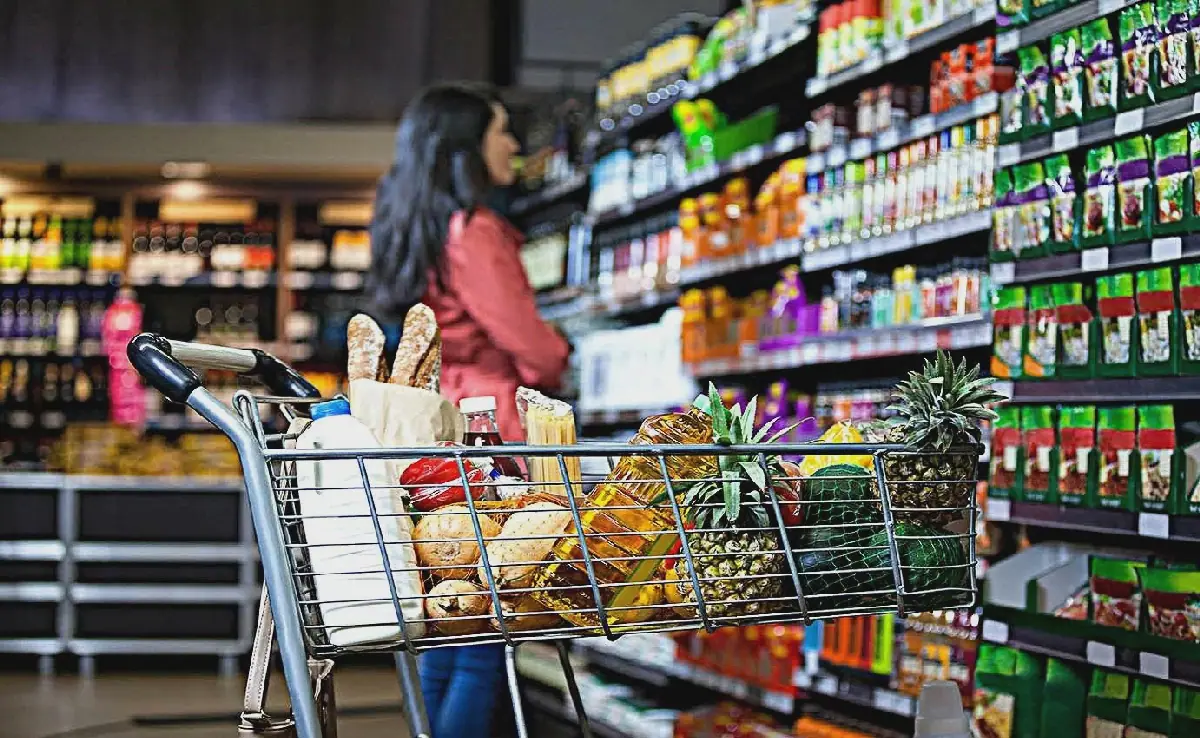
In recent months, numerous governments have launched campaigns to encourage citizens to prepare for potential crises. These initiatives have been seen in various parts of the world, including Europe, Asia, Africa, and Oceania. The campaigns aim to promote self-sufficiency and reduce reliance on delayed responses to emergencies. Governments are providing guidelines on essential items to stockpile, such as food, water, and cash.
In the UK, the government launched a "Be Ready" campaign on October 22, advising families to prepare for emergencies lasting at least 72 hours. The guidelines recommend stockpiling drinking water, non-perishable food, and essential medications. Additionally, citizens are encouraged to have batteries, alternative communication devices, and cash on hand in case of disruptions to electronic payment systems and ATMs.
Other countries, such as Luxembourg, Poland, Japan, Ireland, France, and the Netherlands, have also initiated similar campaigns. In Luxembourg, a national campaign called "Bass du prett" was launched on October 9, along with a guide outlining essential items for a 72-hour self-sufficiency kit. Poland's "Security Guide" recommends stockpiling food, water, and medications for at least three days.
In Asia, Japan's Ministry of Agriculture, Forestry, and Fisheries updated its guidelines for stockpiling food in September. The new guidelines consider the needs of vulnerable populations, such as children, elderly, and those with special dietary requirements. In Australia, a national summit was held on September 9-10 to discuss disaster preparedness and response.
In Africa, countries such as Kenya, Nigeria, Ethiopia, and Madagascar are taking steps to enhance their preparedness for potential crises. Kenya's Ministry of Health has intensified measures to prepare for disease outbreaks, including enhanced screening at airports and border crossings. Nigeria is working to strengthen its food security system by developing storage facilities and reducing agricultural waste.
In the Americas, the US White House issued a message on September 2, urging Americans to prepare their homes and families for natural and human-made threats. The message encouraged citizens to assemble emergency kits and stay informed about official warnings and instructions. In Singapore, a national exercise was conducted on September 23 to test the country's ability to respond to food supply disruptions.
These campaigns and initiatives demonstrate a growing recognition of the importance of disaster preparedness and self-sufficiency. By stockpiling essential items and having plans in place, individuals and families can reduce their vulnerability to potential crises.
Key points
- Governments worldwide are promoting disaster preparedness and self-sufficiency by advising citizens to stockpile essential items.
- The campaigns aim to promote self-sufficiency and reduce reliance on delayed responses to emergencies.
- The guidelines provided by governments include stockpiling food, water, cash, and other essential items in case of disruptions to basic services.