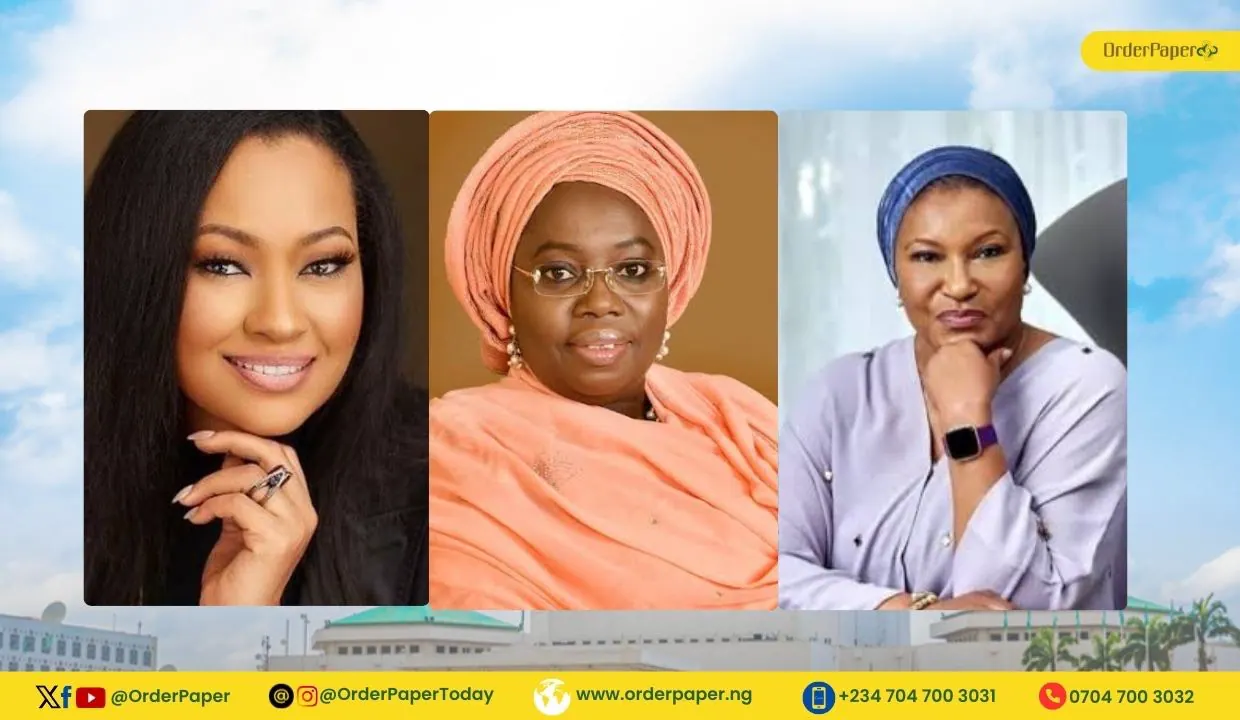
The 2027 Nigerian Senate race has 123 women among the candidates, representing 22 political parties. They include serving senators like Natasha Akpoti-Uduaghan and former officials like Idiat Adebule. These candidates are spread across almost all parts of the country, with Akwa Ibom having the highest number at 10 women.
The emergence of these female candidates has renewed attention on the Special Seats for Women Bill, a constitutional proposal seeking additional seats exclusively for women in the National Assembly. The bill proposes 12 extra seats in the Senate, 37 in the House of Representatives, and 108 in state Houses of Assembly. This proposal aims to address structural barriers that have historically limited the number of women in legislative offices.
The Special Seats Bill does not bar women from contesting existing seats but seeks to create additional ones. Women occupying these special seats would have the same legislative responsibilities and privileges as other lawmakers. This distinction is significant as it highlights that the proposed special seats would not replace existing constituencies.
Nigeria currently has only four women in the 10th Senate and 16 women in the House of Representatives. The number of women in the National Assembly has remained below women's share of the population. Women's groups argue that the number of women seeking regular seats illustrates the demand for greater access to legislative office.
The Special Seats Bill is not designed to prevent women from competing in the conventional electoral process. Instead, it aims to provide a structured pathway for increasing women's presence in legislative institutions. However, the current constitutional review process has raised questions over whether the proposal can affect the 2027 election.
The proposal has not progressed at the same pace as the state police amendment, and its transmission to state Houses of Assembly has not occurred. The development means that the 123 women already on the 2027 ballot are competing under the existing constitutional arrangement. If approved, the proposed special seats would be additional to the existing 109 Senate seats.
The 123 candidacies cannot resolve the wider question the constitutional amendment seeks to address: how to increase the overall number of women in Nigeria's legislatures. The bill's proponents present it as a temporary affirmative-action measure, not a substitute for conventional elections. The proposal has generated questions about how the special seats would be filled.
Key points
- The 2027 Nigerian Senate race features 123 female candidates.
- The Special Seats for Women Bill proposes 12 extra seats in the Senate.
- The bill aims to address structural barriers limiting women's participation in legislative offices.