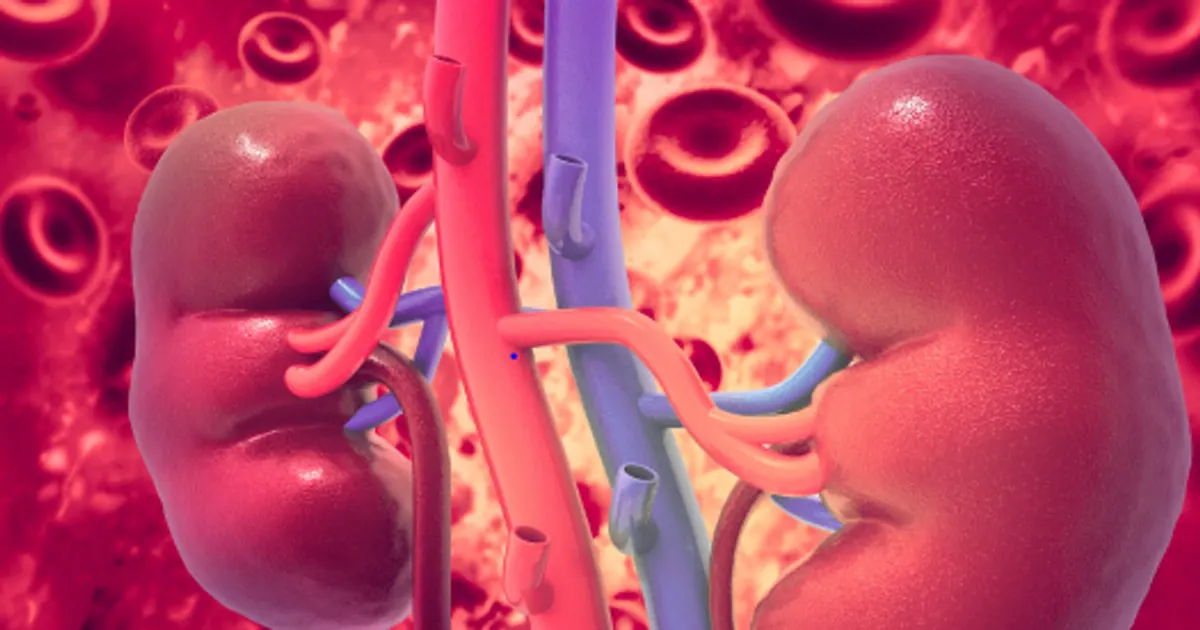
Kidney disease is a growing concern worldwide, and Ghana is no exception. The condition can develop quietly, with many people showing no obvious symptoms until it has become more advanced. According to the US National Institute of Diabetes and Digestive and Kidney Diseases (NIDDK), early chronic kidney disease often has no symptoms, making testing particularly important for people at risk. The kidneys play a vital role in removing waste and excess fluid from the body.
When the kidneys become damaged and cannot function properly, waste and fluid can build up, potentially causing different symptoms. Some of these symptoms include swelling in the feet, ankles, or hands, which can occur when the body retains excess fluid. Changes in urination patterns, such as urinating more frequently, particularly at night, or decreased urine output in advanced cases, can also be indicative of kidney problems.
Other warning signs of kidney disease include foamy urine, which may be associated with protein leaking into the urine, and blood in the urine, which can make it appear pink, red, or darker than usual. Persistent tiredness, nausea, or loss of appetite can also occur as kidney disease becomes more advanced. It is essential to note that these symptoms can have other causes, and a healthcare professional should be consulted for proper diagnosis and testing.
The US National Institute of Diabetes and Digestive and Kidney Diseases (NIDDK) emphasizes the importance of testing for people at risk of kidney disease. Individuals with conditions such as diabetes or high blood pressure, as well as those with a family history of kidney failure, may have a higher risk and should discuss kidney testing with a healthcare professional. Blood and urine tests are commonly used to assess kidney health.
A blood test can measure how well the kidneys filter the blood, while a urine test can check for substances such as albumin that may indicate kidney damage. It is crucial not to assume that having one of these symptoms automatically means you have kidney disease. Many of them can have other causes, and a healthcare professional should be consulted for proper diagnosis and testing.
In Ghana, kidney disease is a significant health concern, with many people unaware of their condition until it has become more advanced. The Pulse Ghana article highlights 10 warning signs that may indicate kidney damage. These signs include muscle cramps, weakness or numbness, shortness of breath, difficulty concentrating, and itchy or dry skin.
If you have persistent or worrying symptoms, it is essential to speak with a healthcare professional and get the appropriate tests rather than relying on symptoms alone. Early detection and treatment can help prevent further damage and improve outcomes for individuals with kidney disease. By being aware of the warning signs and taking proactive steps, individuals can protect their kidney health and reduce the risk of complications.
Key points
- Kidney disease can develop without obvious symptoms, making testing crucial for people at risk.
- Early detection and treatment can help prevent further damage and improve outcomes for individuals with kidney disease.
- Blood and urine tests are commonly used to assess kidney health.