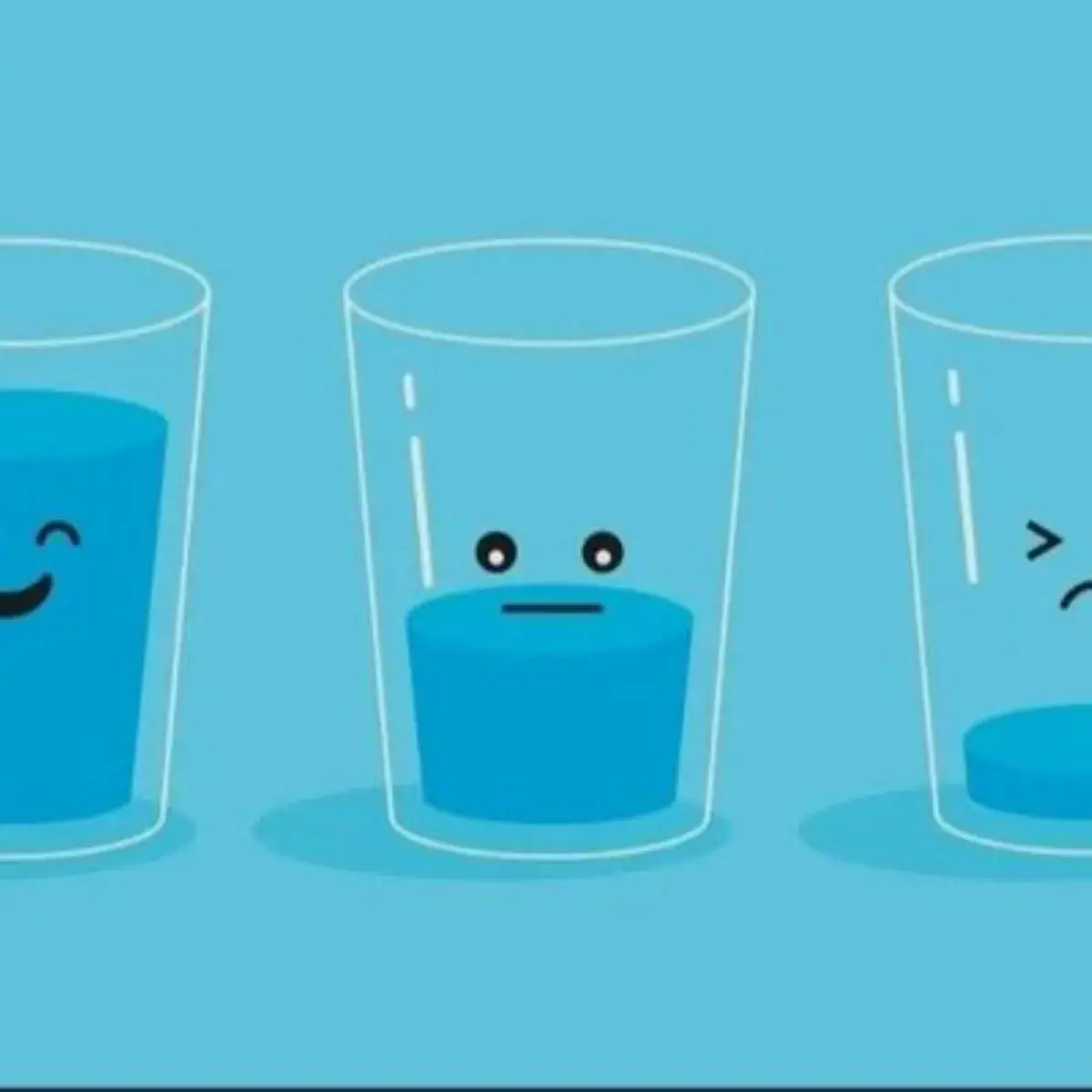
Dehydration is a condition that occurs when the body loses more fluid than it takes in, causing an imbalance in the body's water and electrolyte levels. Water is essential for almost every function in the human body, including regulating body temperature, supporting digestion, carrying nutrients, protecting organs, and allowing the body to get rid of waste. When the body loses more fluid than it takes in, dehydration occurs, and it can happen after heavy sweating, vomiting, diarrhoea, or prolonged exposure to heat.
Feeling unusually thirsty is one of the body's natural signals that fluid levels need to be replenished. However, thirst is not always a reliable early warning sign, and older adults, young children, and people who are ill may not recognise or communicate thirst clearly. It is therefore better to maintain regular fluid intake rather than waiting until intense thirst develops. Dark yellow urine is another sign of dehydration, as the kidneys conserve water, causing urine to become more concentrated and darker.
Passing urine less often is also a sign of dehydration, as the body tries to conserve water. A dehydrated person may urinate less frequently, and the amount of urine produced may be smaller than usual. Dry mouth and lips are also common signs of dehydration, as reduced fluid levels can decrease saliva production, leaving the mouth and lips dry. Drinking water and other appropriate fluids can help when dehydration is mild.
Headaches, dizziness or light-headedness, and unusual tiredness are also signs of dehydration. Dehydration can contribute to headaches in some people, and a drop in body fluid can affect blood circulation and blood pressure, particularly when a person stands up quickly. Unusual tiredness can leave a person feeling weak, tired, or lacking energy, and restoring fluids and replacing electrolytes when appropriate may help mild dehydration.
Dry skin, fast heartbeat or breathing, and confusion or unusual drowsiness are also signs of dehydration. The skin may become dry when the body is short of fluid, but dry skin does not necessarily mean dehydration. More serious dehydration can affect the circulation, causing the heart to beat faster and breathing to become faster. Confusion, extreme weakness, unusual sleepiness, or changes in alertness can be signs of severe dehydration.
Severe dehydration can lead to serious complications and requires urgent medical assessment rather than simply waiting for the person to drink more water. It is essential to seek medical attention promptly if dizziness is severe, persistent, or accompanied by fainting, confusion, or chest pain. Mild dehydration can often be corrected by replacing lost fluids, but severe dehydration can become dangerous and may require urgent medical treatment.
In conclusion, dehydration is a serious condition that can be caused by various factors, including heavy sweating, vomiting, diarrhoea, or prolonged exposure to heat. Recognising the signs of dehydration, such as feeling unusually thirsty, dark yellow urine, passing urine less often, dry mouth and lips, headache, dizziness or light-headedness, unusual tiredness, dry skin, fast heartbeat or breathing, and confusion or unusual drowsiness, is crucial to preventing severe dehydration and its complications.
Key points
- Dehydration can be caused by heavy sweating, vomiting, diarrhoea, or prolonged exposure to heat.
- Recognising the signs of dehydration is crucial to preventing severe dehydration and its complications.
- Severe dehydration requires urgent medical assessment and treatment.