The Ugandan government estimates that 1,500 citizens are still trapped in human trafficking networks or stranded in Southeast Asia, after being lured by fraudulent job and scholarship offers. The Ministry of Foreign Affairs reports that Ugandans face forced labor, unlawful confinement, physical abuse, and exploitation in Cambodia, Myanmar, and Laos. Organized trafficking syndicates recruit victims through deceptive online advertisements.
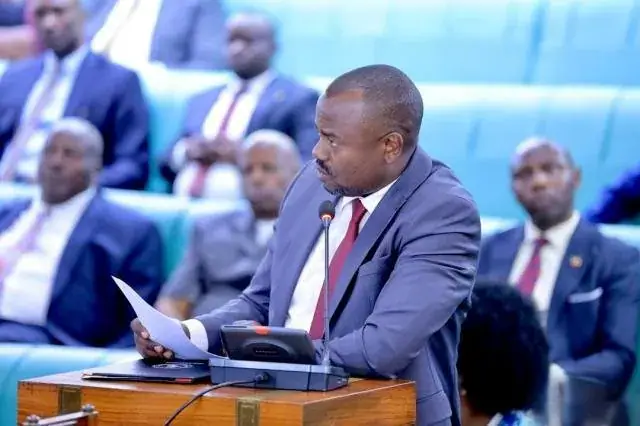
Minister of State for Foreign Affairs Kyeyune Haruna Kasolo presented a ministerial statement to Parliament, stating that diplomatic missions are struggling to trace victims and facilitate their safe return due to limited resources and the complex operations of trafficking networks. Kasolo emphasized that behind the figures are Ugandan sons and daughters who left home in search of opportunity but found themselves trapped in dire circumstances.
The Ministry of Foreign Affairs reports that Uganda's High Commission in Kuala Lumpur has established that trafficking syndicates target young Ugandans through social media advertisements promising lucrative employment and educational opportunities. Victims are promised well-paying jobs, scholarships, and attractive working conditions but discover upon arrival that the offers are fraudulent. Some have their passports and phones confiscated, leaving them unable to contact relatives or seek assistance.
Cambodia accounts for the largest number of reported Ugandan trafficking cases, with 1,411 Ugandans repatriated from the country, while 21 others are awaiting assistance. However, partner organizations estimate that between 500 and 1,000 or more Ugandans could still be trapped or stranded there. In Myanmar, 611 Ugandans have been repatriated, with another 20 expected to return through the International Organization for Migration.
In a significant diplomatic intervention, negotiations involving Uganda's Ambassador Betty Bigombe, the British Embassy, and a local non-governmental organization secured the release of 10 Ugandan trafficking victims from prisons in Myanmar. The International Organization for Migration is facilitating their return to Uganda. Foreign Affairs Minister Adonia Ayebare acknowledged the contribution of Bigombe, the British Embassy, and Eden in securing the victims' freedom.
The Ministry also reported three confirmed deaths of Ugandan nationals in Thailand, including two men linked to trafficking networks and a woman. Authorities are pursuing police documentation and arrangements for the repatriation of the deceased. Other Ugandans remain detained at Chanthaburi prison, prompting legislators to call for consular assistance, legal representation, and diplomatic intervention to secure their release.
Despite having laws criminalizing human trafficking and forced labor, the government has acknowledged that enforcement against suspected recruitment networks remains inadequate. The Ministry of Foreign Affairs is seeking more funding to support the work of Uganda's diplomatic missions, which are struggling to trace and negotiate the release of victims due to limited resources.
Key points
- 1,500 Ugandans remain trapped in human trafficking networks across Southeast Asia.
- The Ugandan government has repatriated over 2,030 citizens from Southeast Asia.
- The government has acknowledged that enforcement against suspected recruitment networks remains inadequate.