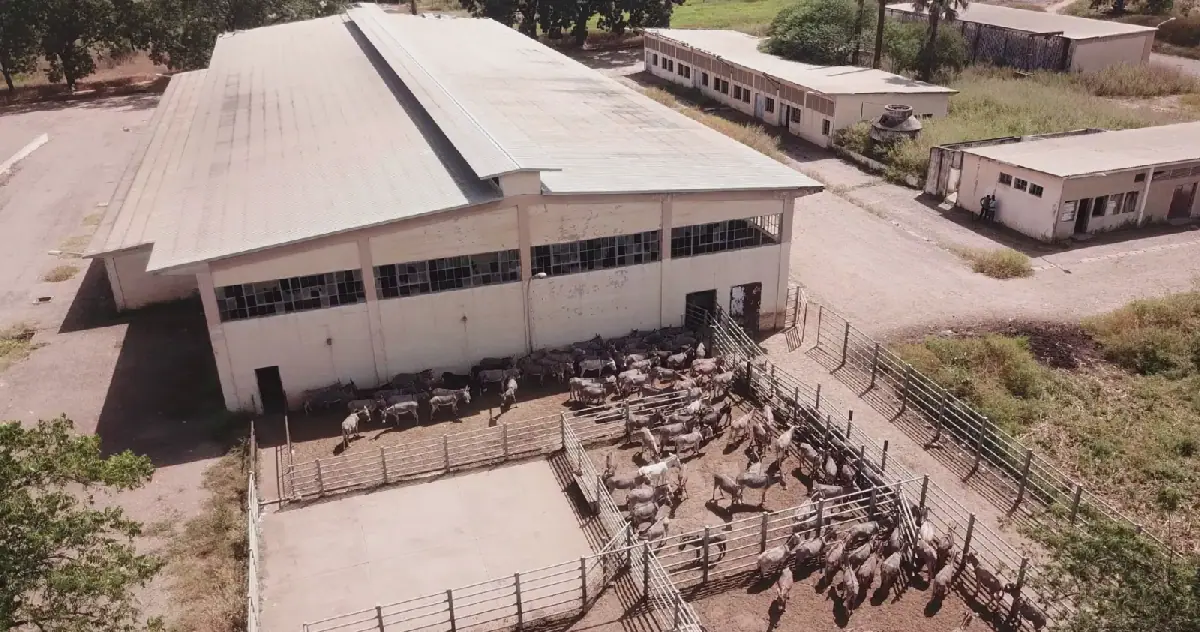
The Zuarungu Meat Factory, once a symbol of industrial ambition in Ghana's Upper East Region, has stood idle for decades. Established in 1965 by former President Dr. Kwame Nkrumah, the facility processed approximately 1,000 cans of meat daily. However, it ceased operations in 1995 due to mismanagement. Despite its dormant state, residents of Zuarungu and surrounding communities remain hopeful that the factory could be revived with the right investment and private-sector partnership.
The call for the factory's revival has gained momentum following the recent Accounting to the People Tour. Traditional authorities at various district assembly engagements have appealed to the government to prioritize the rehabilitation of the factory. The Chief of the Zaare Traditional Area, Naba Paul Asaana Agoo, emphasized the economic significance of the facility, citing its potential to create employment opportunities and reduce poverty among residents.
Naba Paul Asaana Agoo highlighted the factory's potential to provide a sustainable source of livelihoods, particularly for young people, while stimulating economic activities across the municipality and beyond. He urged the government to put more effort into revamping the factory. A similar concern was raised by the Chief of Dulugu, Naba Kobeero Lebge Serom, who expressed disappointment that successive governments had failed to make meaningful progress towards restoring the factory to full operation.
A visit to the facility by the GBCNews team revealed the extent of deterioration following years of inactivity. Some of the structures and equipment have aged considerably, while samples of canned meat believed to have been produced during its operational years were spotted in the production room. Despite the visible signs of neglect, residents believe the facility still holds significant economic value and should not be allowed to deteriorate further.
The factory sourced cattle from neighbouring countries, particularly Burkina Faso and Mali, with supplies also coming from Niger and Togo. During its operational years, it employed approximately 240 people. For residents like 51-year-old Gaspard Nyaaba, who has served as a security officer at the factory for several years, the return of production would bring much-needed relief to residents of Zuarungu and the wider Upper East Region.
Gaspard Nyaaba believes that the factory's revival would restore hope and create employment opportunities for people whose livelihoods could be improved. The facility's revival is seen as a key driver of economic growth, employment, and wealth creation in the region. With renewed optimism and calls for action, the fate of the Zuarungu Meat Factory remains a pressing concern for stakeholders.
As the government considers the factory's revival, residents and traditional authorities continue to advocate for its rehabilitation. The facility's potential to stimulate economic growth and create jobs makes it an investment opportunity waiting to be explored. With the right investment and private-sector partnership, the Zuarungu Meat Factory could once again become a major driver of economic growth in the Upper East Region.
Key points
- The Zuarungu Meat Factory has the potential to create employment opportunities and stimulate economic growth in the Upper East Region.
- The facility has been dormant since 1995 due to mismanagement.
- Traditional authorities and residents are calling for the government's intervention to revive the factory.