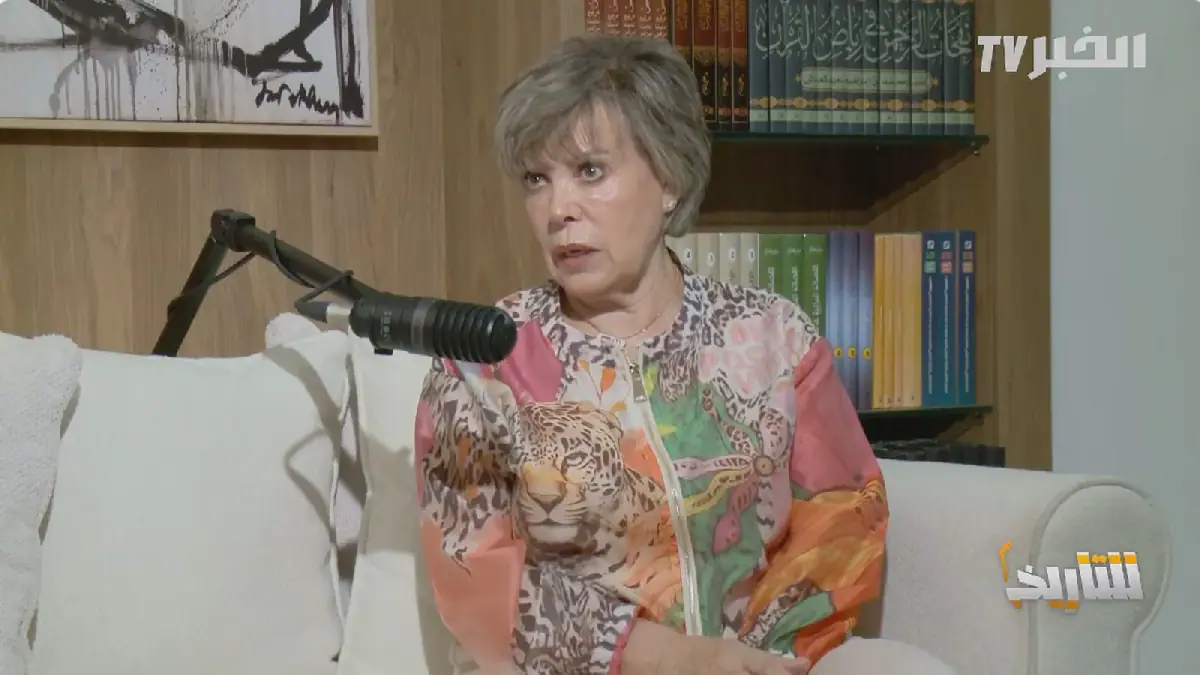
Zoubida Assoul, a former Algerian judge and member of the National Transitional Council, has spoken out about her 30-year political career, sharing her thoughts on various leaders and significant events in Algerian history. In an interview with El Khabar TV, Assoul discussed her experiences, including being targeted by a assassination attempt in 1995. She defended the integrity of judges during the 1990s, stating that they were not susceptible to pressure. Assoul also mentioned her involvement in the National Transitional Council from 1994 to 1997.
Assoul shared her perspective on Liamine Zeroual, who served as President of Algeria from 1994 to 1998. She described Zeroual as a man who did not seek power and accepted the presidency out of a sense of duty. However, Assoul expressed her disappointment with Zeroual's resignation in 1998, attributing it to a combination of factors, including pressure and a media campaign against his advisor, General Mohamed Betchine. She also defended the independence of the National Transitional Council, citing an instance where she refused to withdraw her amendments despite a minister's request.
Zoubida Assoul was critical of Abdelaziz Bouteflika, who ruled Algeria from 1999 to 2019. She expressed her disapproval of Bouteflika's approach to national reconciliation, which involved creating a special branch for armed groups while claiming to reject violence. Assoul argued that this approach was unacceptable and that the Constitution emphasizes the importance of peaceful means in politics. She also criticized Bouteflika's leadership style, stating that he prioritized personal power and did not utilize his 20 years in power to bring about significant development in Algeria.
Assoul discussed her interactions with Bouteflika, including a 2006 incident where she attempted to organize a congress in Algiers. She claimed that Bouteflika initially did not respond to her request but eventually granted his support after she left a voicemail. The congress was attended by prominent figures, including the President of the United Nations General Assembly at the time, Haya Rashed Al-Khalifa. Assoul also mentioned that she proposed a comprehensive project to revise the Constitution in 2014, which emphasized the separation of powers and the creation of a constitutional court.
Zoubida Assoul reflected on the 2019 Hirak protests, describing them as a missed "opportunity in gold" for both the government and the opposition. She praised the peaceful and civilized nature of the protests but expressed disappointment that the government and opposition failed to capitalize on the momentum. Assoul attributed the failure to both parties, but emphasized that the government bears greater responsibility due to its decision-making power. She also mentioned her proposal for a common opposition candidacy based on five key principles: the republican system, democracy, the rule of law, judicial independence, and individual freedoms.
Throughout her interview, Assoul emphasized the importance of accountability and the need for Algerian leaders to prioritize the country's development. She expressed her concerns about the lack of transparency and the concentration of power in the hands of a few individuals. Assoul's comments reflect her commitment to promoting democratic values and the rule of law in Algeria.
Zoubida Assoul's statements have sparked a renewed debate about Algeria's past and its future. Her criticisms of former leaders and her calls for change reflect the aspirations of many Algerians who seek greater accountability and transparency in government. As Algeria continues to navigate its complex history and current challenges, Assoul's insights provide valuable perspectives on the country's path forward.
Key points
- Zoubida Assoul criticizes Algerian leaders for prioritizing personal power and failing to capitalize on opportunities for change.