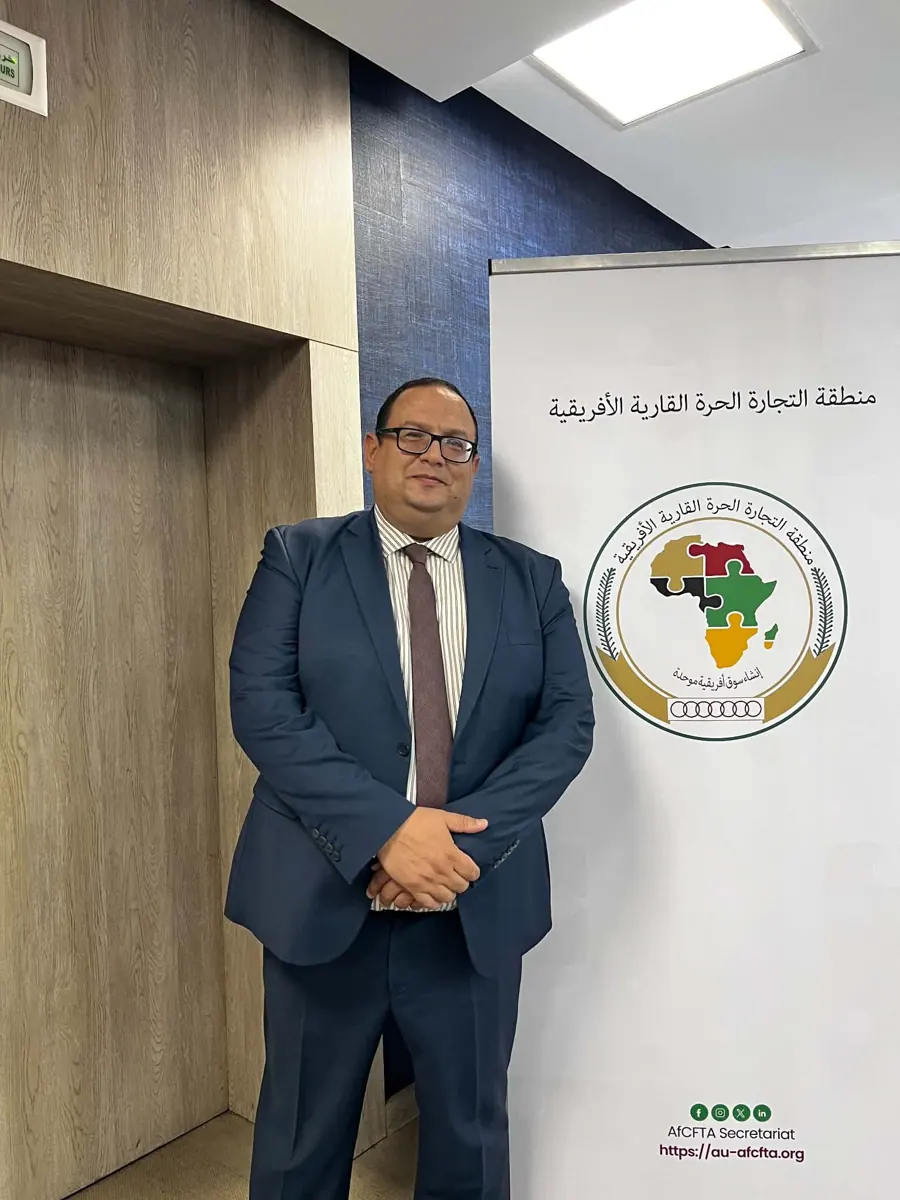
Tunisia is hosting a regional training session called "SME Boost" organized by the ZLECAf secretariat, bringing together delegations from Egypt, Algeria, Libya, Morocco, and local operators. The goal is to enhance the capacity of small and medium-sized enterprises (SMEs) to export to Africa. Zied Jaouadi, vice-president of the Chamber of International Commerce (UTICA) and the Pan-African Chamber of Commerce and Industry, highlighted the challenges faced by the private sector in exporting to Africa.
Jaouadi identified three main challenges for the private sector in exporting to Africa. The first challenge is access to financing, as current interest rates make financing costs very high, especially for exporting SMEs. The second barrier is the high logistical cost, with Tunisia having one of the highest logistical costs in the Mediterranean region. This is due to the high costs of port logistics in Tunisia and the need for multiple transshipments to deliver goods to the African continent.
The third challenge, according to Jaouadi, is the urgent need to restructure export support organizations, including chambers of commerce and export promotion centers. He emphasized the need to review their economic model to shift from a promotional approach to a long-term development approach for exports. Jaouadi also suggested that the private sector's solution to these high costs is to open subsidiaries on the ground, returning to the commercial comptoir model.
This approach allows for avoiding logistical problems and having a stock of goods directly on the African market. However, it requires access to financing and a reflection on flows in both directions. Jaouadi noted that Tunisia often forgets that working with African countries under a preferential trade agreement requires thinking about both selling and buying. This approach enables optimizing financial flows and better succeeding in establishing Tunisian companies on the ground.
The ZLECAf agreement aims to promote trade and economic integration among African countries. Tunisia is committed to transforming the ZLECAf into a concrete lever for African SMEs. The country has called for a strategic partnership with other countries to promote clean energies and green industrialization. The training session in Tunis brings together experts and stakeholders to discuss the challenges and opportunities of exporting to Africa under the ZLECAf agreement.
The session aims to equip SMEs with the necessary tools and knowledge to navigate the complexities of exporting to Africa. Participants will discuss topics such as market access, logistics, and financing options. The goal is to increase Tunisian exports to Africa and promote economic cooperation between Tunisia and other African countries.
The ZLECAf agreement is expected to boost intra-African trade and promote economic integration. Tunisia's efforts to enhance its export capacity and promote green industrialization are seen as key steps towards achieving these goals. The country's commitment to transforming the ZLECAf into a lever for African SMEs is expected to have a positive impact on the region's economic development.
Key points
- Tunisia hosts a regional training session for SMEs to boost exports to Africa under the ZLECAf agreement.
- The private sector faces challenges in exporting to Africa, including high financing costs, logistical costs, and the need to restructure export support organizations.
- Tunisia aims to promote green industrialization and clean energies under the ZLECAf agreement.