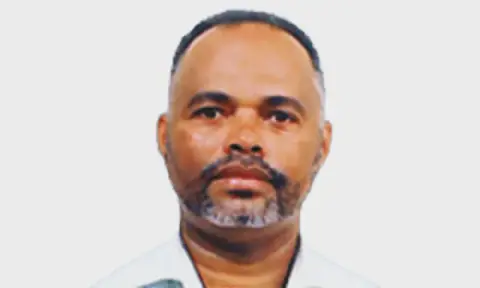
Leo Stan Ekeh, Chairman of Zinox Group, has shared his inspiring story of building Africa's tech identity at The International Women Leadership Conference in Dubai. Ekeh revealed that his decision to venture into technology in Africa, a sector that was virtually non-existent at the time, was considered "corporate suicide" by many. Despite the risks, Ekeh pursued his passion, driven by his vision to create a Nigerian and African IT identity. His journey began with the launch of Task Systems Ltd, a company that pioneered desktop publishing and computer graphics in Nigeria over 35 years ago.
Ekeh's decision to pursue a career in technology was not without its challenges. He had initially studied Economics in India and later pursued a postgraduate degree in Risk Management. However, his true passion lay in technology entrepreneurship. Ekeh recalled that he was discouraged from pursuing a postgraduate degree in Computer Science in Europe due to the prevailing perception that Africa might have little need for computers over the next 35 years. Undeterred, he opted for a Master's degree in Business Law at London Guildhall University, but eventually diverted his tuition fees into his passion for technology entrepreneurship.
Ekeh's journey was marked by considerable hardship, including living on one meal a day for over three years and sleeping in a small room in his office. Despite these challenges, he persevered, driven by his vision to create a Nigerian and African IT identity. His company, Task Systems Ltd, gained significant media attention, with the Nigerian media embracing his vision and describing him as a "miracle child." This support contributed to the computerization of over 97 percent of media and multimedia houses in Nigeria and other African countries.
Ekeh's determination to build Africa's tech identity led to the establishment of Zinox Technologies, one of Africa's first Microsoft WHQL- and Intel-certified computer manufacturers. He emphasized that the company was not just building computers, but also a statement that Africa could manufacture to global standards. The government and people of Nigeria celebrated Zinox's achievements, and the company was able to handle critical projects in Nigeria and some African countries.
However, Ekeh did not present his journey as smooth. He spoke about the challenges he faced, including controversial patronage, corporate blackmail, and battles that come with building a visible business in a challenging environment. He noted that these experiences explain why many billionaires in Africa may be unwilling to endure the difficulties associated with building businesses.
Ekeh's message resonated with the wider conversation around women's leadership, economic participation, and the need for greater representation in sectors traditionally dominated by men. He encouraged women to recognize their capacity to shape industries, create opportunities, and influence the future. His group, Zinox, has invested in women in technology through its TecHerdemy initiative, which has trained over 1,000 women in cybersecurity, artificial intelligence, software development, data science, and professional etiquette.
Ekeh's story serves as a testament to the power of courage, competence, and determination. He reminded the women that they hold the comprehensive keys to national prosperity in this second quarter of the 21st century. His forthcoming book, expected to be released before the end of 2027, will share the full story of his journey.
Key points
- Ekeh's decision to build a technology company in Africa was considered "corporate suicide" by many, but he persevered, driven by his vision to create a Nigerian and African IT identity.
- Zinox Group has invested in women in technology through its TecHerdemy initiative, training over 1,000 women in various tech fields.
- Ekeh's story emphasizes the importance of courage, competence, and determination, particularly for women seeking to break barriers in business and technology.