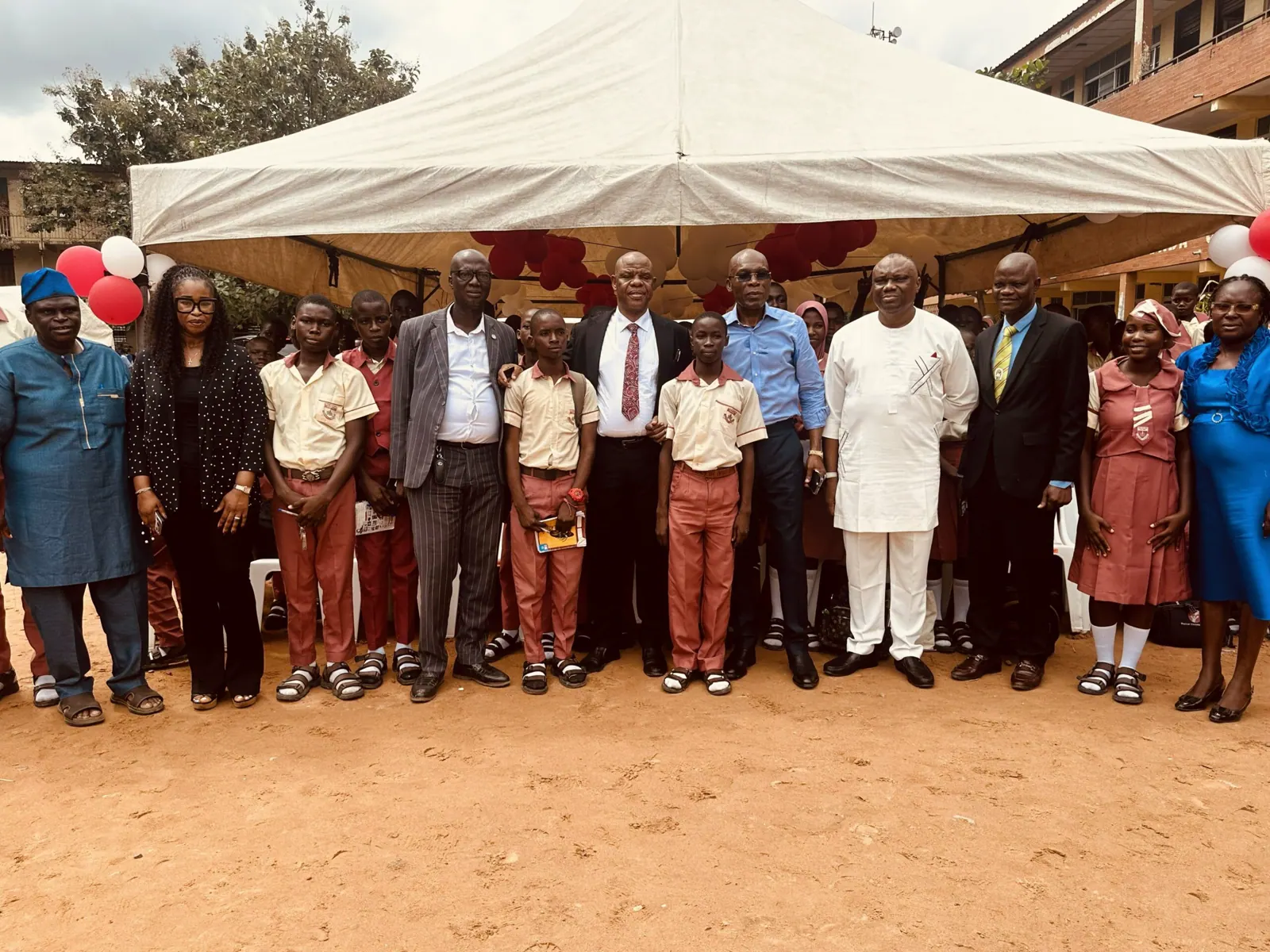
The Zinox Group, in collaboration with the Leo Stan Ekeh Foundation, has introduced Artificial Intelligence (AI), satellite internet, and renewable power to two secondary schools in Lagos, Nigeria. The initiative aims to provide students with access to digital tools essential in today's technology-driven economy. The AI Technology Centres were commissioned at Gbagada Senior Grammar School and Lanre Awolokun High School in Gbagada, Lagos.
Each centre is equipped with Zinox all-in-one desktop computers, interactive AI-enabled screens, and 24-hour renewable energy solutions supplied by iPower. Additionally, the centres will have two years of satellite internet connectivity from Starlink. This comprehensive infrastructure addresses three significant constraints to digital technology use in schools: access to computing devices, reliable electricity, and internet connectivity.
The project reflects a shift in how technology companies approach digital education in Nigeria, combining infrastructure with skills development rather than just providing computers. Leo Stan Ekeh, chairman of the Leo Stan Ekeh Foundation, encouraged students to utilize the facilities to develop skills that could position them as future wealth creators. He emphasized the importance of patience, discipline, and hard work in achieving their goals.
The foundation's intervention comes as demand for technology skills expands across various sectors in Nigeria, including financial services, telecommunications, manufacturing, healthcare, and government. However, access to devices and connectivity remains a significant challenge to digital education. Ekeh also called on governments to prioritize education and improve teacher remuneration, highlighting that an angry or hungry teacher cannot deliver quality content.
The Leo Stan Ekeh Foundation is linking the technology intervention to a broader talent-development programme aimed at producing 1,000 tech-savvy young Nigerians with globally recognized training and qualifications. Brilliant and indigent students under the programme will receive full university scholarships. The first beneficiaries have already secured admission to study Computer Science and Computer Engineering at universities across Nigeria.
The Gbagada projects bring the number of education and technology interventions undertaken by the foundation across Nigeria to 123 over the past 38 years. Previous interventions include digital ICT centres at various universities and secondary schools. The latest centres combine several layers of infrastructure often treated separately in Nigeria's digital education programmes: computers, AI-enabled learning equipment, broadband connectivity, and dependable electricity.
The initiative positions school-level access to AI, connectivity, and renewable energy as an entry point into a wider effort to develop Nigeria's future technology workforce. For Zinox and the foundation, the broader objective is to move technology exposure further down the education pipeline and identify students who can eventually progress from basic digital literacy into specialized technology training.
Key points
- The project combines computing, connectivity, and power infrastructure in a single school environment.
- The initiative aims to produce 1,000 tech-savvy young Nigerians with globally recognized training and qualifications.
- The project addresses three constraints that can limit the use of digital technology in schools: access to computing devices, reliable electricity, and internet connectivity.