The sudden death of Wicknell Chivayo has sent shockwaves through Zimbabwe's prophetic movement, with some prominent prophets admitting they did not foresee the tragedy. This has sparked a national conversation about the limitations of prophetic knowledge and the potential dangers of claiming omniscience. Prophets often advertise their ability to predict future events, but Chivayo's death has exposed the fallibility of these claims. As the nation grapples with the implications, prophets are being forced to confront their own limitations.
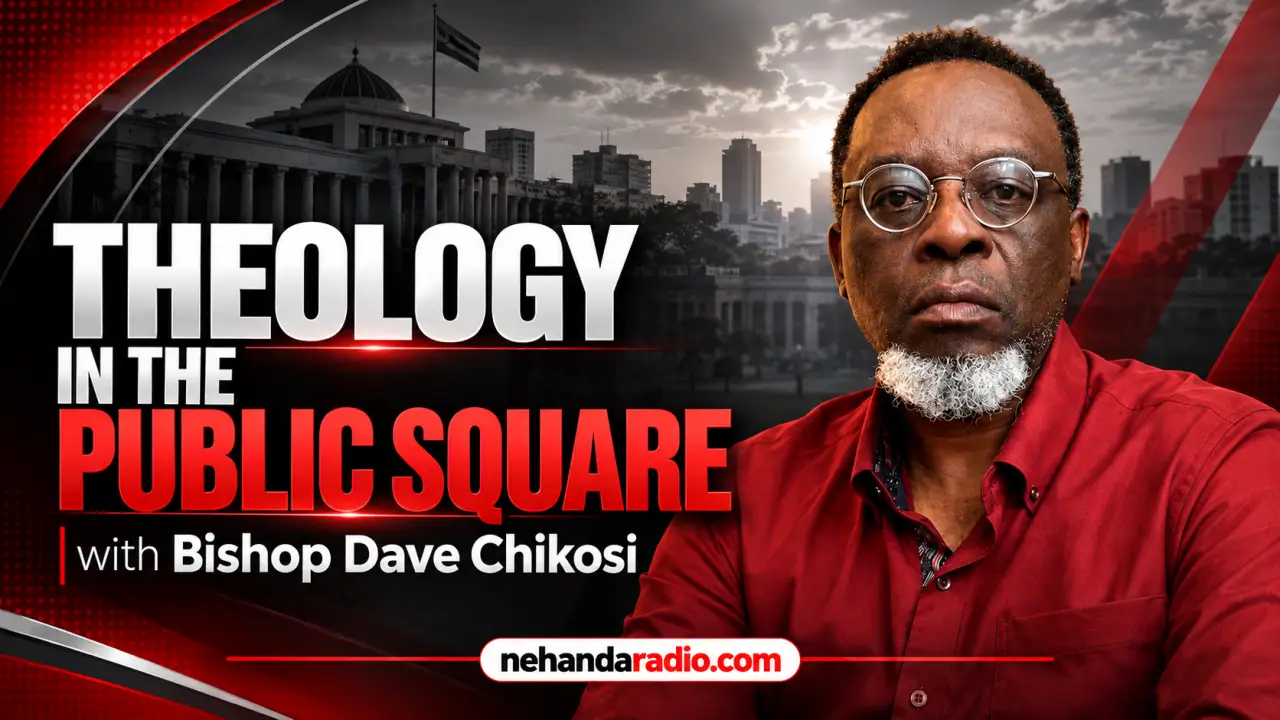
Bishop Dave Chikosi, a prominent Zimbabwean theologian, has weighed in on the debate, arguing that prophets are neither all-seeing nor all-knowing. He suggests that the admission of limited knowledge may be an uncomfortable truth for some prophets who have grown too confident in their abilities. Chikosi's comments have sparked a lively discussion about the role of prophets in Zimbabwean society and the need for humility in their ministry. The conversation is timely, given the influential role that prophets play in shaping public opinion and guiding spiritual discourse.
Prophet Emmanuel Makandiwa, a well-known figure in Zimbabwe's prophetic movement, has made a significant admission about the limitations of his knowledge. In the wake of Chivayo's death, Makandiwa acknowledged that he does not see everything, a statement that has been widely discussed and debated. This admission challenges the common perception that prophets have access to complete knowledge and insight. By acknowledging his limitations, Makandiwa is promoting a more nuanced understanding of prophetic ministry and encouraging others to adopt a similar approach.
The prophetic movement in Zimbabwe has long been characterized by claims of extraordinary insight and accuracy. Prophets often use their platforms to predict future events, reveal hidden information, and offer guidance to individuals and communities. However, Chivayo's death has exposed the potential risks of relying on prophetic claims, highlighting the need for a more critical and nuanced approach to prophetic ministry. As the nation grapples with the implications of Chivayo's death, prophets are being forced to re-examine their role and responsibilities.
The reaction to Chivayo's death has also highlighted the complex relationships between prophets, their followers, and the wider community. Some prophets have faced criticism for their perceived failure to foresee Chivayo's death, while others have used the opportunity to promote a more humble and realistic approach to prophetic ministry. The conversation is taking place against a backdrop of growing scrutiny of prophetic claims and the increasing demand for accountability within the prophetic movement.
The implications of Chivayo's death extend beyond the prophetic movement, with many Zimbabweans questioning the role of prophets in society. As the nation grapples with the complexities of prophetic ministry, there is a growing recognition of the need for a more nuanced and critical approach to spirituality and guidance. The conversation about prophetic limitations and accountability is likely to continue, with many stakeholders calling for greater transparency and humility within the prophetic movement.
As Zimbabwean prophets continue to grapple with the implications of Chivayo's death, there is a growing recognition of the need for a more realistic and humble approach to prophetic ministry. By acknowledging their limitations and promoting a more nuanced understanding of prophetic knowledge, prophets can build trust and credibility with their followers and the wider community. The conversation about prophetic limitations and accountability is a timely reminder of the importance of humility and transparency in spiritual leadership.
Key points
- Zimbabwean prophets are re-examining their role and responsibilities after Wicknell Chivayo's sudden death.