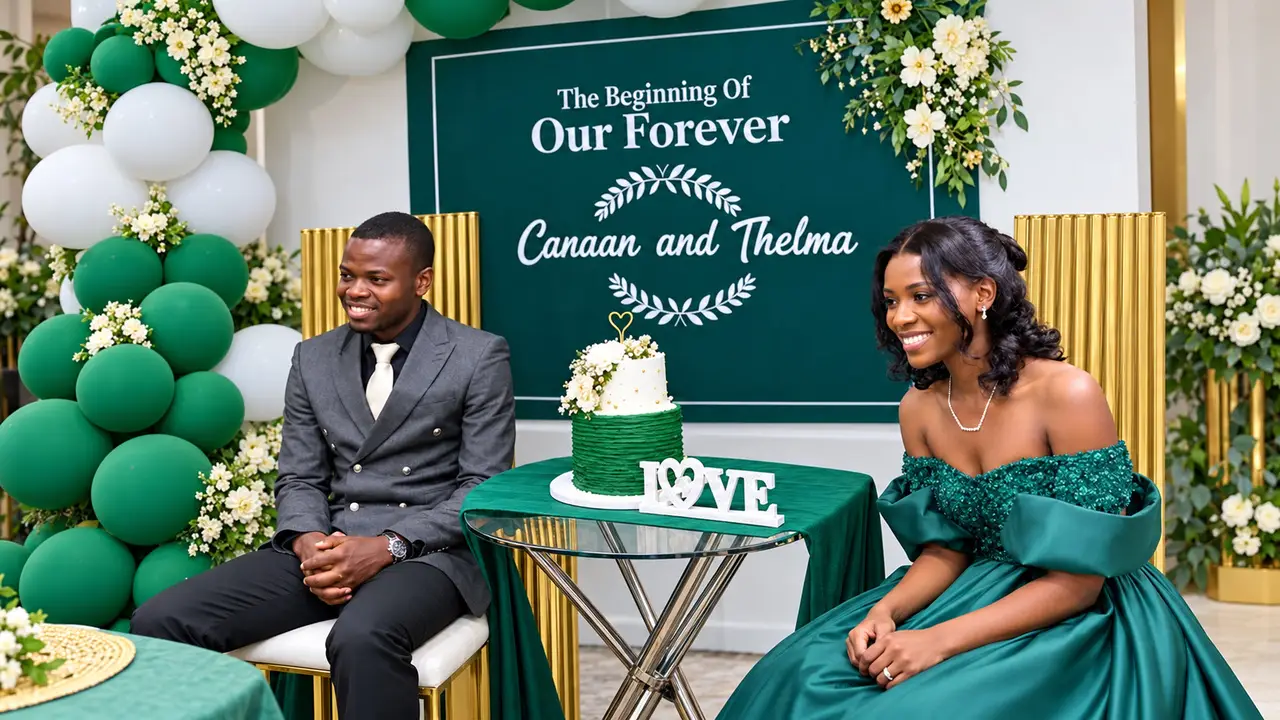
A recent tragic incident in Zimbabwe has sparked a national conversation about the role of Western-style weddings in African churches. Canaan Mumba, a 23-year-old man from Harare, completed traditional lobola negotiations for his bride, Thelma Hliwayo, on September 5, 2026. However, church leaders reportedly told the couple that their marriage was not valid without a Western-style white wedding. Mumba's family attributed his subsequent death by suicide to the distress caused by this dispute.
Manyati, a Zimbabwean journalist and analyst, has written an opinion piece arguing that African churches must re-examine their stance on Western-style weddings. He contends that treating these ceremonies as a biblical requirement for marriage is misguided and has led to the imposition of a crushing economic burden on young couples. Manyati's article has resonated with many Zimbabweans, highlighting the need for a more nuanced understanding of marriage in African churches.
The modern white wedding tradition has its roots in 19th-century European culture, specifically in the wedding of Queen Victoria to Prince Albert in 1840. The Queen's decision to wear a white satin dress trimmed with English lace captivated the public and was widely popularized by newspapers and commercial print culture. However, this tradition is not ordained in the Bible and has been adopted by many African churches as a requirement for marriage.
Manyati argues that the Bible does not command a white gown, church venue, bridal party, or catered reception for marriage. Instead, Scripture emphasizes mutual fidelity, sacrificial love, and keeping the marriage bed undefiled. In Genesis 2:24, the Bible states that a man shall leave his father and mother and cleave to his wife, becoming one flesh. This foundational truth is reiterated by Jesus in Matthew 19:4-6.
African societies have a long history of established and structured processes for marriage, including the practice of roora or lobola in Zimbabwe. These processes involve extensive family negotiations, agreement of elders, and the formal joining of two lineage groups. Manyati contends that African churches have conflated the Gospel of Jesus Christ with European cultural norms, leading to the marginalization of traditional African marriage practices.
The economic burden imposed by Western-style weddings can be significant, with costs including venue hire, bridal gowns, and tailored suits. Manyati argues that this burden is particularly crushing for young couples in Zimbabwe, who may struggle to afford these expenses. By re-examining their stance on Western-style weddings, African churches can help alleviate this burden and promote a more inclusive understanding of marriage.
The debate sparked by Manyati's article highlights the need for a more nuanced understanding of marriage in African churches. While Western-style weddings are not inherently bad, they should not be treated as a biblical requirement for marriage. By recognizing the validity of traditional African marriage practices and promoting a more inclusive understanding of marriage, African churches can help promote healthy and fulfilling relationships among their members.
Key points
- African churches should stop treating Western-style weddings as a biblical requirement for marriage.
- The modern white wedding tradition has its roots in 19th-century European culture, not in biblical teachings.
- Traditional African marriage practices, such as lobola, should be recognized as valid and honorable.