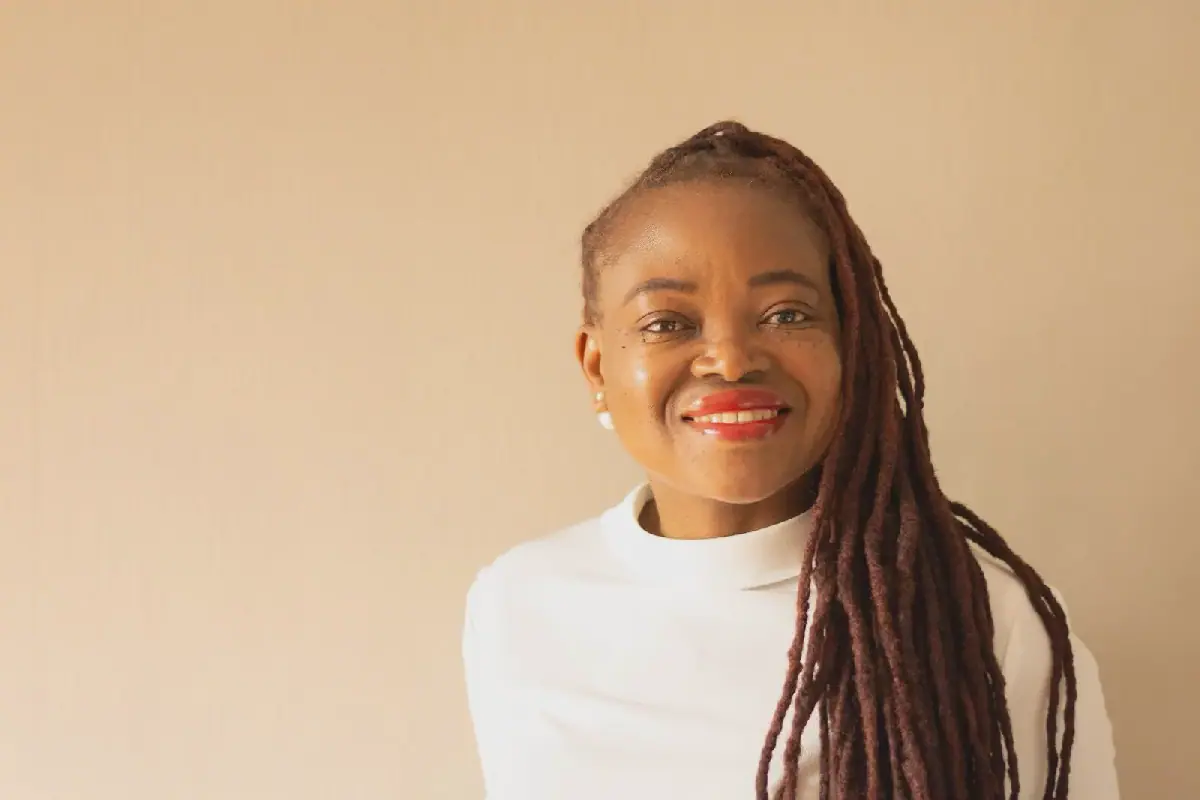
Zimbabwean author Sue Nyathi has spoken about her decision to leave a career in banking to pursue writing full-time. Nyathi's choice was not taken lightly, as it meant giving up a stable income and secure paycheck. However, she felt a growing sense of being called towards writing, which she could no longer ignore. "It was a very difficult choice because, at that time, you know, when you have a stable career, a secure paycheck, and to give it up for writing, which is flimsy at most times, unpredictable income," she says.
Nyathi's leap into writing was not born from a lack of opportunities in the corporate world, but rather a sense of purpose that she could no longer resist. "But you know, something was wrestling in my conscience," she recalls. "It was like a calling, calling you to come and write. And I was thinking, but I can’t leave the job, the security." For a long time, she resisted, but eventually relented and left to pursue writing full-time. Today, she says that decision has brought her fulfilment. "Yes, absolutely."
Nyathi's novel, "The Polygamist", has been adapted into a Netflix series, finding a second life on screen. However, unlike many authors whose books are adapted for television, Nyathi deliberately resisted the temptation to become overly involved in shaping every creative choice. "With this experience, I didn’t sit in the writer’s room," she explains. This distance allowed the creative team to explore ideas without feeling constrained by the presence of the person who first imagined the story.
The Netflix adaptation of "The Polygamist" made significant changes, including transplanting the story from Zimbabwe to South Africa and introducing new characters. Nyathi understands the realities of filmmaking and viewed the changes as necessary adaptations to the demands of a visual medium. "Moving it from Zimbabwe to South Africa in the series was a financing decision," she explains. "They initially had wanted to make that work, but Zimbabwe, as a destination, was not viable for the film."
Nyathi also recognised the need for changes made around certain characters, including the introduction of Magesh. "I think that they needed Jonasi to actually have a friend," she says, noting that by drawing on her own experience as both a writer and filmmaker, she recognised what the character added to the narrative structure. The same reasoning applied to changes made around Joyce's character, who needed someone to bounce ideas off and have a confidant.
Despite the changes made in the adaptation, Nyathi found the logic behind them compelling. "As a writer, you have your reasons why you have certain things," she says. "But the motivations made sense." For someone whose most famous work revolves around polygamy, there is one question she answers quickly: would she ever marry a polygamist? "No, never," she answers with conviction.
Nyathi remains focused on her craft, saying "I’m still writing." She believes that a story is the key to everything, and that it is the foundation upon which everything else is built. This philosophy has carried her from the banking halls to the bookshelves, and from the page to the screen. For Sue Nyathi, the medium may change, but the calling remains exactly the same: tell the story first and everything else will fall in place.
Key points
- Nyathi quit her banking job to pursue writing full-time, a decision that has brought her fulfilment.
- The Netflix adaptation of "The Polygamist" made significant changes, including transplanting the story from Zimbabwe to South Africa.
- Nyathi would never marry a polygamist, a topic explored in her hit novel.