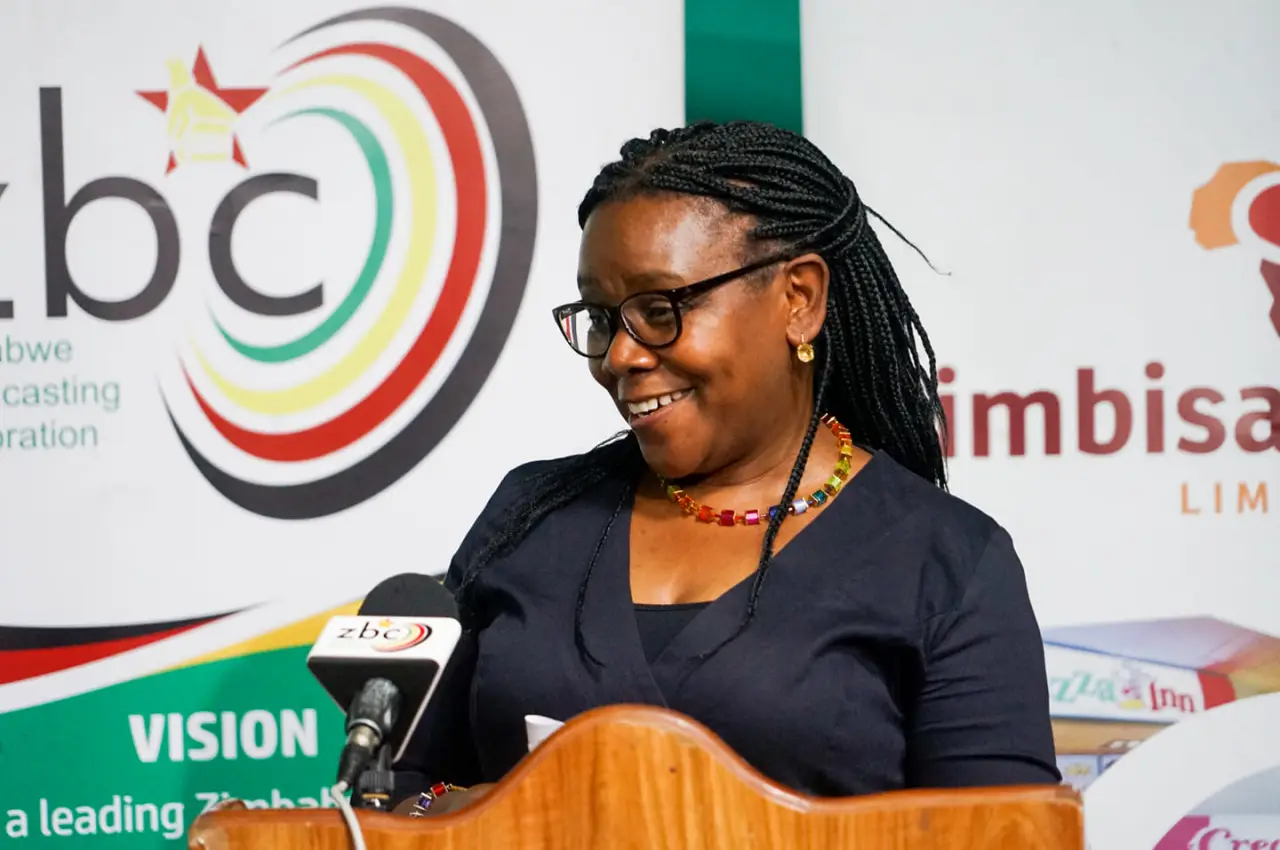
The Zimbabwe Broadcasting Corporation (ZBC) has been criticized for its failure to comply with its constitutional obligations, particularly in regards to impartiality and fair access to divergent views. According to social justice advocate Tendai Ruben Mbofana, the ZBC's actions are a betrayal of its public mandate and have left citizens seeking truth elsewhere. The ZBC is funded by public money through mandatory broadcasting licence fees and national tax revenues.
The ZBC's operational mandate is governed by Section 61(4)(b) and (c) of the Constitution of Zimbabwe, which obligates state-owned media to remain impartial and provide fair and equal opportunity for the presentation of divergent views and dissenting opinions. However, the broadcaster has been accused of treating these directives as optional suggestions, instead functioning as a partisan extension of the ruling ZANU-PF party.
The ZBC's bias has been documented and recognized internationally. Following the 2023 harmonized elections, the SADC Election Observation Mission specifically named ZBC for failing to provide fair and balanced coverage to the main opposition. The broadcaster's conduct directly violated Section 155(1)(d) of the Constitution, which guarantees all political parties and candidates fair and equal access to public electronic and print media.
Helliate Rushwaya, the ZBC Board Chairperson, has defended the institution, stating that a public institution is judged not only by its policies but also by how effectively, consistently, and humanely those policies are implemented. However, Mbofana argues that this defense is a deflection from the real issue, which is the ZBC's failure to comply with the supreme law of the land.
The ZBC's failure to fulfill its constitutional role has led to a situation where citizens are seeking truth and information from alternative sources, such as social justice advocates and independent media. Mbofana notes that had the ZBC faithfully fulfilled its role, writers like him would have become irrelevant, as the public would have already found a genuine voice in state media.
The ZBC's actions have been contrasted with those of international benchmark institutions, such as the BBC and SABC, which are known for their impartiality and willingness to interrogate state policies and expose government corruption. Mbofana argues that a true public broadcaster serves the nation, not the rulers, and that the ZBC's betrayal of its public mandate has forfeited its constitutional legitimacy.
The issue raises questions about the role of public media in Zimbabwe and the need for constitutional compliance. Mbofana argues that if the political establishment genuinely believes that divergent views and dissenting opinions are unpatriotic or counter-developmental, it should repeal the relevant constitutional provisions entirely, rather than continuing to pretend to uphold them.
Key points
- The ZBC's failure to comply with its constitutional obligations has led to a loss of legitimacy and a betrayal of its public mandate.
- The broadcaster's bias has been documented and recognized internationally, including by the SADC Election Observation Mission.
- A true public broadcaster serves the nation, not the rulers, and should prioritize impartiality and fair access to divergent views.