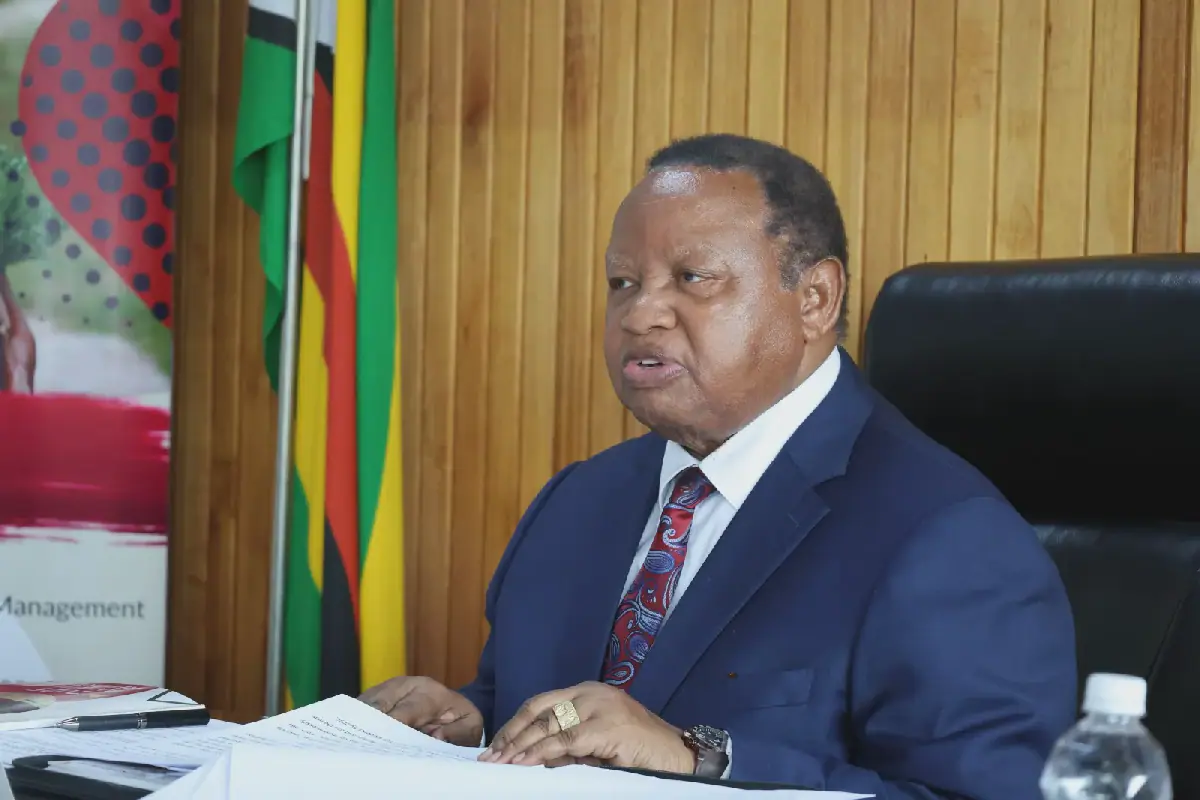
Zimbabwe's Minister of Higher and Tertiary Education, Frederick Shava, has praised Manicaland State University of Applied Sciences (MSUAS) for achieving a significant financial turnaround, posting a ZWG39.3 million operating surplus. This development marks a notable shift from a previous deficit. Shava's commendation came during the university's annual general meeting in Harare, where he emphasized the importance of maintaining prudent expenditure and effective internal controls.
MSUAS has demonstrated improved financial management, transitioning to International Public Sector Accounting Standards and obtaining an Unqualified Audit Opinion. Shava welcomed these achievements but cautioned against complacency, stressing that an unqualified opinion is not an end in itself. The minister urged the university to enforce its newly created integrity committee and adopted anti-fraud, anti-corruption, and whistleblower policies, ensuring zero tolerance for corruption and mismanagement of resources.
Despite the financial progress, MSUAS faces challenges, including an 11.4% decline in student enrolment, from 863 in 2024 to 765 in 2025. Shava emphasized the need for the university to intensify programme marketing, diversify its offerings, and utilize its new residences to achieve its target of 1,825 students by 2030. This enrolment growth is crucial for the institution's sustainability and impact.
Commercial activities at MSUAS currently contribute only 3.76% of its total revenue, falling short of the national ambition of exceeding 8% by 2030. Shava urged the university to accelerate the operationalization and commercialization of its Innovation and Agro-Industrial Park at Headlands. The park's projects, including agricultural production, a Game Park, honey enterprise, and a planned stock-feed plant, are expected to become viable and sustainable ventures.
In research, MSUAS has shown positive growth, with publications increasing by 33.8% and 12 intellectual property rights filed. The university's achievements in innovation were highlighted through student Giveous Toriro and lecturer Clemence Simende's improved forced-draft cookstove, which took second place in the energy and transport category at the 2025 Presidential Innovation Fair.
Shava emphasized the importance of prioritizing the 2026 to 2030 strategic plan, which aligns MSUAS with the government's Heritage-Based Education 5.0 philosophy. This philosophy requires universities to solve national problems, generate knowledge, develop technologies, create wealth, and produce innovative, entrepreneurial graduates. The strategic plan is expected to guide the university's development and growth.
The annual general meeting was attended by several high-profile officials, including deputy minister Simelisizwe Sibanda, Parliamentary Portfolio Committee on Higher and Tertiary Education chairperson Josiah Makombe, and Zimbabwe Council for Higher Education chief executive Kuzvinetsa Peter Dzvimbo. The meeting provided a platform for stakeholders to engage with MSUAS's progress and future plans.
Key points
- MSUAS achieved a ZWG39.3 million operating surplus, marking a significant financial turnaround.
- The university's commercial activities currently contribute only 3.76% of its total revenue, falling short of national expectations.
- MSUAS aims to achieve an enrolment target of 1,825 students by 2030, following an 11.4% decline in student numbers.