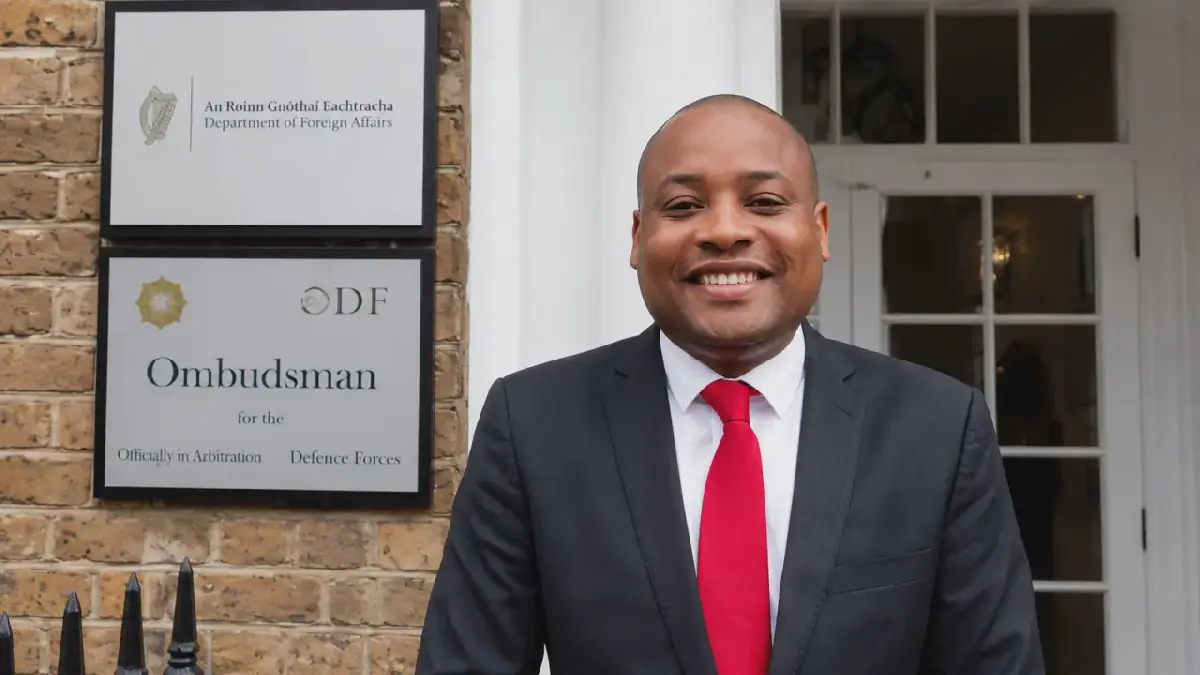
Dr. Phillan Zamchiya, a Senior Researcher at the Institute for Poverty, Land and Agrarian Studies, has argued that Constitutional Amendment No. 3 (CAA 3) violates popular sovereignty, expands executive power, and fundamentally changes Zimbabwe's democracy without securing the consent of the people. He made these arguments at the SAPES Policy Dialogue on November 12, 2026. CAA 3 was signed into law by President Emmerson Mnangagwa on July 7, 2026, and gazetted as Act No. 6 of 2026.
The amendment extends presidential and parliamentary terms from five to seven years, postpones elections from 2028 to 2030, abolishes direct presidential elections, expands presidential influence over Parliament, and restructures electoral administration and judicial appointments. Five constitutional challenges to CAA 3 have been filed, with Vrante Mahlupeko of the National Constitutional Assembly (NCA) seeking to invalidate the entire Act. Mahlupeko argues that ten provisions were introduced without the mandatory 90-day publication period under section 328(3)–(4).
The Constitutional Court has deferred the cases to resolve a dispute over bench composition, with the cases initially scheduled for November 11 and now set for November 18, 2026. The postponement allows the court to reconstitute its bench amid objections to judges appointed under CAA 3. Other challenges to CAA 3 include Prince Sibanda's contestation of the extension of incumbents' terms, Douglas Mwonzora's challenge to the abolition of direct presidential elections, and cases from Reuben Zulu and Eliphas Kawa.
Dr. Zamchiya advanced eight interconnected arguments for invalidating CAA 3, anchored in the fundamental question of who holds constitutional authority in Zimbabwe. He argued that CAA 3 undermines popular sovereignty, allows delegated power to override sovereign power, and threatens the gains of decolonization and democratization. Zimbabwe's Constitution recognizes that governing authority derives from the people, but CAA 3 takes fundamental constitutional decisions away from them without their consent.
Dr. Zamchiya also argued that CAA 3 confuses parliamentary majority rule with constitutional democracy, introduces major constitutional changes without a referendum, and undermines Zimbabwe's binding constitutional values and democratic principles. The Law Society of Zimbabwe has warned that extending terms without a referendum would violate the Constitution and international law. Section 328 expressly requires referendums for certain amendments, and Zimbabweans have voted directly on constitutional proposals in the past.
The cases raise national questions about popular sovereignty, constitutional supremacy, and the limits of state power. Dr. Zamchiya paid tribute to Zimbabwe's legal luminaries and constitutional lodestars who brought these challenges before the courts. The outcome of the cases will have significant implications for Zimbabwe's democracy and the future of its constitutional order.
The Constitutional Court's decision will determine the fate of CAA 3 and its impact on Zimbabwe's democracy. The court's ruling will be closely watched by Zimbabweans and international observers, as it will set a precedent for the interpretation of the Constitution and the limits of state power. The decision will also have implications for the country's electoral system and the balance of power between the executive, legislature, and judiciary.
Key points
- The Constitutional Court will hear cases challenging the legality of Constitutional Amendment No. 3.
- Dr. Phillan Zamchiya argues that CAA 3 violates popular sovereignty and expands executive power.
- The outcome of the cases will have significant implications for Zimbabwe's democracy and the future of its constitutional order.