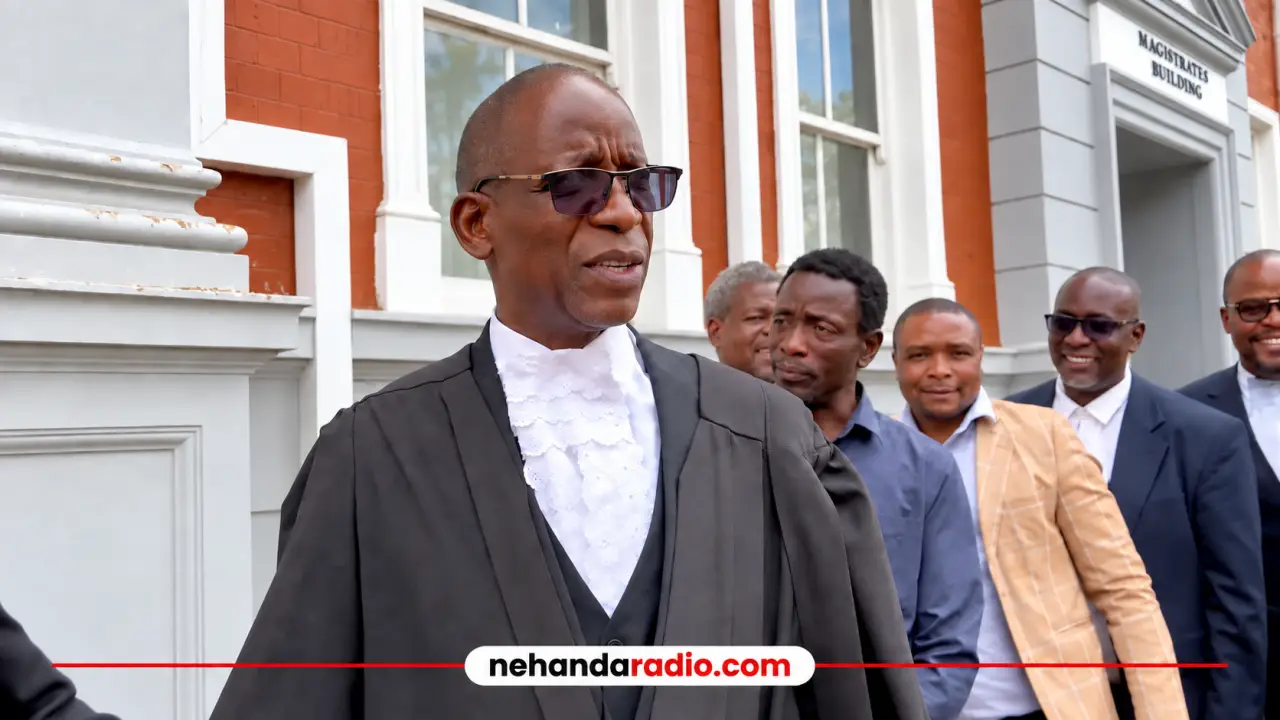
Zimbabwe's Constitutional Court has reserved judgment on an application by six liberation war veterans seeking permission to challenge the country's new parliamentary system for electing the president directly. The applicants, represented by Professor Lovemore Madhuku, Advocates Lewis Uriri and Tawanda Zhuwarara, argue that the new system, which replaces the direct popular election of the president with selection by MPs, requires approval through a national referendum. The applicants are Reuben Zulu, Godfrey Gurira, Shoorai Nyamangodo, Joseph Chinyangare, Digmore Knowledge Ndiya, and Joseph Chinguwa.
The Constitutional Court heard the application on Tuesday, with a three-judge panel led by Deputy Chief Justice Paddington Garwe, sitting with Justices Rita Makarau and Chinembiri Bhunu. Madhuku explained that direct access allows litigants to ask the Constitutional Court to hear a case that would ordinarily begin in the High Court. He argued that removing voters' ability to elect the president directly affected rights protected by the Bill of Rights, even though the amendments did not expressly alter Chapter 4 of the Constitution.
The applicants cited the urgency and national importance of the dispute as exceptional circumstances justifying direct access. Madhuku said securing direct access would be a "very big victory" in their attempt to overturn provisions of the Constitution of Zimbabwe Amendment (No. 3) Act, 2026. The disputed legislation was passed earlier this year and has introduced several changes, including increasing presidential and parliamentary terms from five to seven years and extending President Emmerson Mnangagwa's second and final term by two years, from 2028 to 2030.
Government lawyers, led by Advocate Sylvester Hashiti, urged the court to dismiss the application, arguing that the applicants had failed to comply with procedural requirements or establish sufficient standing to bring the case. Hashiti said the applicants did not prove that they were registered voters, presidential candidates, or had any interest in the matter. The government's lawyers maintained that the dispute should first be heard by the High Court and that no exceptional circumstances had been demonstrated.
Madhuku said the applicants would approach the High Court if permission to proceed directly before the Constitutional Court was refused. He compared the application to a football match, saying that if they get direct access, it would be a "very big victory" and like being ahead at halftime. The same six war veterans previously sought to stop Mnangagwa from advancing the amendment while it was still a Bill, but their application was struck off the roll by the Constitutional Court on 17 June.
Multiple challenges are targeting different aspects of the constitutional overhaul. Madhuku said an application by Prince Dubeko Sibanda, arguing that the amendments improperly benefit incumbents, was scheduled for 30 September. A challenge brought by the MDC under Douglas Mwonzora could be consolidated with other cases. National Constitutional Assembly member Vhurande Mahlupeko has filed another application alleging that some provisions were amended despite not appearing in the Government Gazette.
A further challenge has been lodged by applicants represented by former finance minister Tendai Biti, with Uriri also involved. Madhuku said the four remaining matters would be dealt with by the same legal team, taking different angles. The Constitutional Court's judgment on the war veterans' application is awaited, with implications for the country's electoral system and the president's term in office.
Key points
- The Constitutional Court has reserved judgment on an application by six liberation war veterans challenging the country's new parliamentary system for electing the president directly.
- The applicants argue that the new system requires approval through a national referendum.
- The court's judgment has implications for the country's electoral system and the president's term in office.