The Zimbabwean church community is facing a critical examination of its moral stance on corruption. Prophet Emmanuel Makandiwa, founder of the United Family International Church (UFIC), recently sparked controversy with his comments on corruption, suggesting that it has different levels. This statement triggered strong criticism, with many arguing that corruption cannot be sanitized or justified based on its impact.
Makandiwa's comments on corruption date back to 2013, when he delivered sermons entitled "Unlocking Value," decrying the levels of corruption on the African continent. However, his 2022 remarks produced a very different public reaction. The issue is not whether a preacher may distinguish between different manifestations or degrees of corruption, but rather creating moral categories in which wrongdoing becomes tolerable because somebody else benefited from the residue.
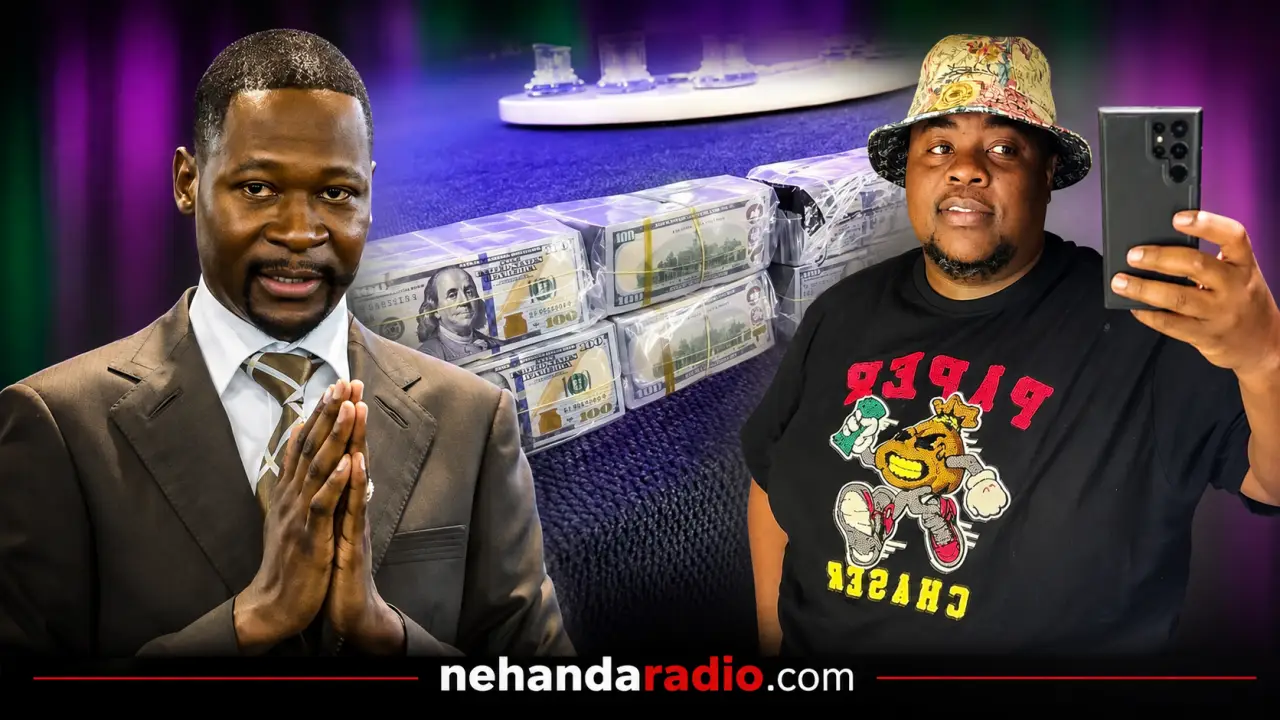
The controversy surrounding Makandiwa's statements was further complicated by his acceptance of a $1 million donation from businessman Wicknell Chivayo. Chivayo publicly disclosed that Makandiwa and his wife had initially declined the gift, but later changed his position and accepted it. The donation was announced on August 2, 2026, with Chivayo describing it as support for the construction and development of UFIC.
On August 9, 2026, Makandiwa publicly displayed the $1 million in cash before his congregation, describing the event as "a prophecy." The display of the large sum of money sparked concerns about the church's moral stance on corruption and its relationship with wealthy donors. Many have questioned whether the church is losing its moral courage to confront corruption without fear or favor.
The debate surrounding Makandiwa's statements and the donation from Chivayo has raised important questions about the role of the church in addressing corruption. While there is no judicial finding establishing that the $1 million donated to UFIC was the proceeds of corruption or crime, the fact that Chivayo's wealth and public contracts have attracted controversy has fueled concerns about the church's association with him.
The pulpit must never become immune from scrutiny, and the preacher is not the Gospel. The prophet is not Scripture, and the cleric is not Christ. The collar, robe, title, or microphone does not confer infallibility. As such, it is essential to examine the statements and actions of church leaders, including Makandiwa, to ensure that they align with the moral principles they preach.
Ultimately, the controversy surrounding Makandiwa's statements and the donation from Chivayo serves as a reminder of the importance of moral courage in confronting corruption. The church must be willing to distinguish between righteousness and expediency, and not allow itself to be swayed by wealthy donors or influential individuals. By doing so, it can maintain its moral authority and play a vital role in promoting integrity and accountability in Zimbabwe.
Key points
- Prophet Emmanuel Makandiwa's comments on corruption have sparked controversy, with many questioning the church's moral stance on the issue.
- Makandiwa's acceptance of a $1 million donation from Wicknell Chivayo has raised concerns about the church's relationship with wealthy donors.
- The controversy highlights the importance of moral courage in confronting corruption and the need for the church to maintain its moral authority.