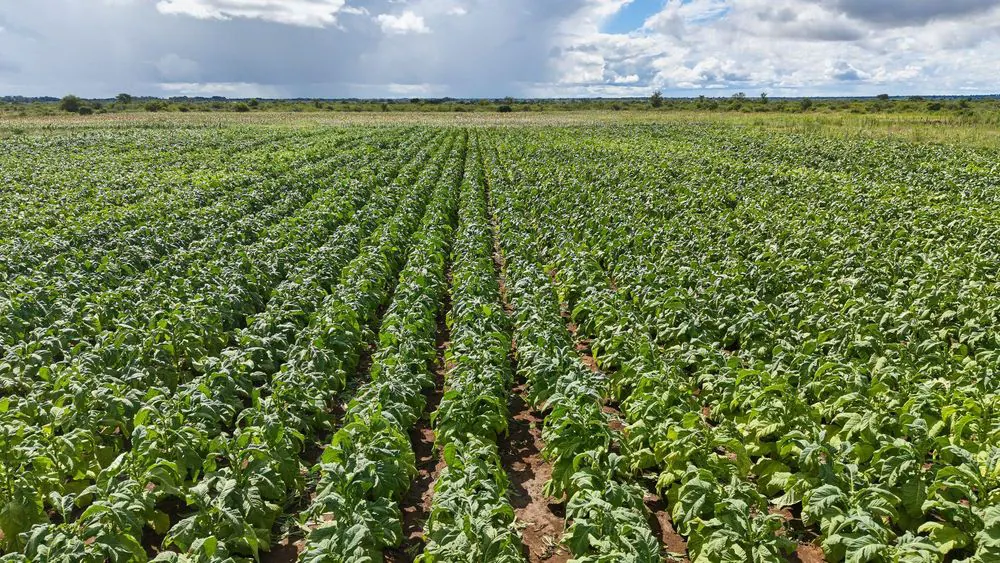
Zimbabwe has made significant progress in compensating former white commercial farmers whose land was seized during the country's land-reform programme. According to reports, the government has paid or issued compensation worth more than $500 million, or R8.5 billion, to the affected farmers. This move is part of a larger agreement reached in 2020, when Zimbabwe committed to paying $3.5 billion to former commercial farmers.
The compensation programme has been implemented through the issuance of US dollar-denominated Treasury bonds, with some farmers initially rejecting the revised offer. Deputy Finance Minister Kudakwashe Mnangagwa confirmed that farmers had accepted the bonds as part of the revised compensation arrangements. In addition to the bonds, $12.6 million has also been paid in cash to the affected farmers.
The land-reform programme, which began in 2000, saw thousands of predominantly white-owned commercial farms occupied or seized and redistributed to black Zimbabweans. The programme was aimed at addressing the severe land imbalances inherited from colonial rule. However, it was accompanied by a sharp decline in agricultural production, with the International Monetary Fund noting that over 80% of former commercial farmland had been redistributed by 2004.
The compensation issue has been a major obstacle to Zimbabwe's efforts to resolve its debt problems and re-establish relationships with international financial institutions and foreign investors. The International Monetary Fund has identified land-tenure reform and compensation for former farmers as key areas linked to Zimbabwe's efforts to clear arrears and normalise relations with international creditors.
Zimbabwe's economy has undergone significant changes since the land seizures. While agriculture was once a principal source of foreign currency, with tobacco, cotton, and sugar contributing significantly to exports, mining now plays a much larger role in the country's export economy. Gold, platinum-group metals, and other minerals have become major sources of foreign exchange, with gold among the country's biggest export earners.
The government has taken steps to repair relations with foreign investors, including returning some farms previously seized from European nationals whose countries had investment-protection agreements with Zimbabwe. The compensation programme is part of a broader effort to improve Zimbabwe's economic credibility and convince international investors and creditors that the country can provide greater policy stability and respect for financial and property commitments.
The success of the compensation programme and Zimbabwe's efforts to rebuild investor trust will depend on the government's ability to balance the needs of different stakeholders, including former farmers, local communities, and international investors. The programme's impact on the country's agricultural sector and economy will also be closely watched, as Zimbabwe seeks to revive its economy and attract investment into both mining and agriculture.
Key points
- Zimbabwe has paid over $500 million to former white commercial farmers as part of a $3.5 billion compensation agreement.
- The compensation programme is aimed at resolving a long-running dispute and improving Zimbabwe's standing with international creditors and investors.
- The programme's success will depend on the government's ability to balance competing interests and provide greater policy stability and respect for financial and property commitments.