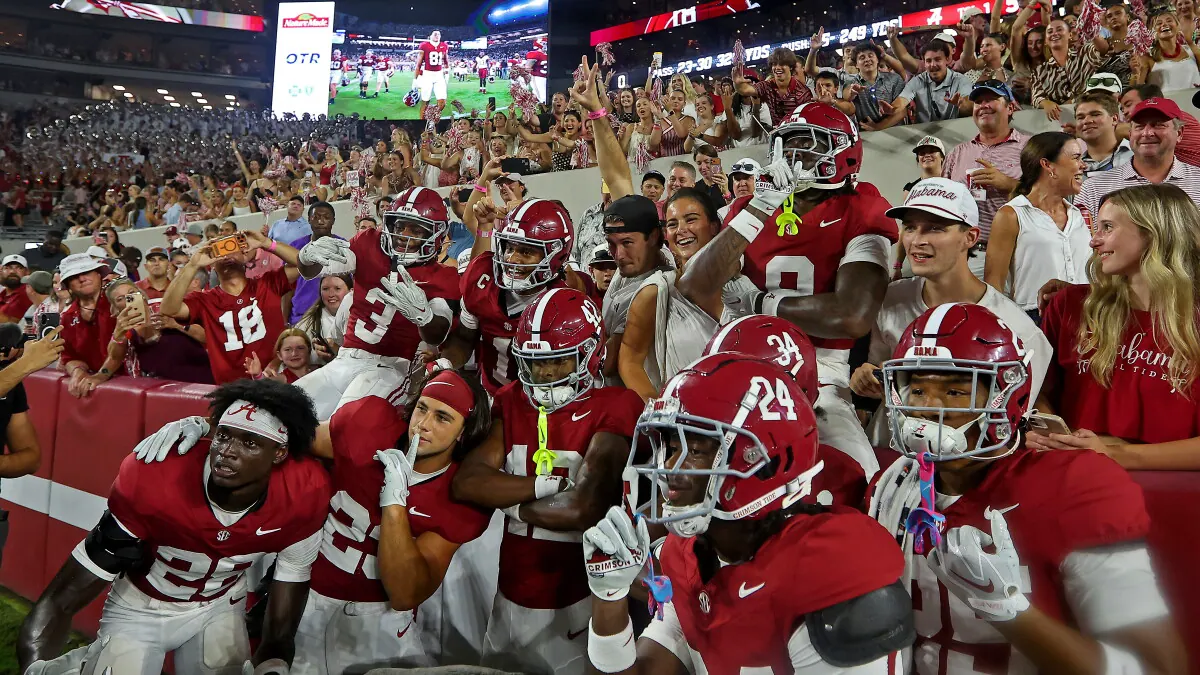
The US Senate recently passed the Protect College Sports Act, a bill aimed at regulating college athletics in the United States. On September 28, 2026, the Senate voted 77-22 in favor of the bill, which has been a topic of discussion for over a year. The legislation was led by Senators Ted Cruz, a Republican from Texas, and Maria Cantwell, a Democrat from Washington.
The Protect College Sports Act seeks to grant the National Collegiate Athletic Association (NCAA) a limited antitrust exemption. This exemption would allow the NCAA to restore its five-year eligibility rule and transfer limits. Additionally, the bill would codify regulations surrounding name, image, and likeness deals, which have become a significant aspect of college athletics. These deals permit athletes to receive payment, with some earning millions of dollars per season.
The NCAA, along with several powerhouse schools and conferences, and even President Trump, have expressed support for the bill. President Trump called for the bill's passage on Truth Social on September 17, 2026. The bill has garnered bipartisan support, with many co-sponsors from both parties. To promote the bill, Senator Cruz appeared on ESPN's College GameDay and television commercials featuring Alabama's Nick Saban have aired during college football broadcasts.
Despite its passage in the Senate, the bill's future remains uncertain. It will now move to the House of Representatives, which is currently on recess until after the November midterm elections. Some critics argue that the legislation unfairly limits athletes' compensation and favors powerful institutions. The NAACP, labor groups, and athletes' organizations were among those who opposed the bill, with 22 senators voting against it.
Opponents of the bill, such as Senator Cory Booker, a Democrat from New Jersey, argue that it prioritizes the interests of the NCAA and wealthy athletic programs over those of the athletes. Booker, a former college football player, expressed concerns that the bill does little to address the rising costs of coaching salaries, recruiting, and other athletic department expenses. In contrast, supporters claim that the legislation is necessary to prevent schools from eliminating women's and Olympic sports programs due to financial constraints.
The Protect College Sports Act addresses various issues, including a 5% cap on agent compensation for athlete name, image, and likeness deals and a provision allowing conferences to pool their media rights. The bill also sets health and safety guidelines for schools and limits conference membership to 20 schools. A rule aimed at preventing conference realignment could face opposition in the House, particularly from senators representing schools with significant athletic programs.
As the bill moves to the House, its prospects for passage are unclear. Some experts, like Dionne Koller, a University of Baltimore School of Law professor, question whether the legislation's goals could be achieved through alternative means. Others, like Senator Eric Schmitt, a Republican from Missouri, believe that the bill is necessary to bring order to the rapidly changing landscape of college athletics.
Key points
- The Protect College Sports Act passed the US Senate with a bipartisan vote of 77-22.
- The bill aims to regulate college athletics by granting the NCAA a limited antitrust exemption.
- The legislation's future is uncertain as it moves to the House of Representatives.