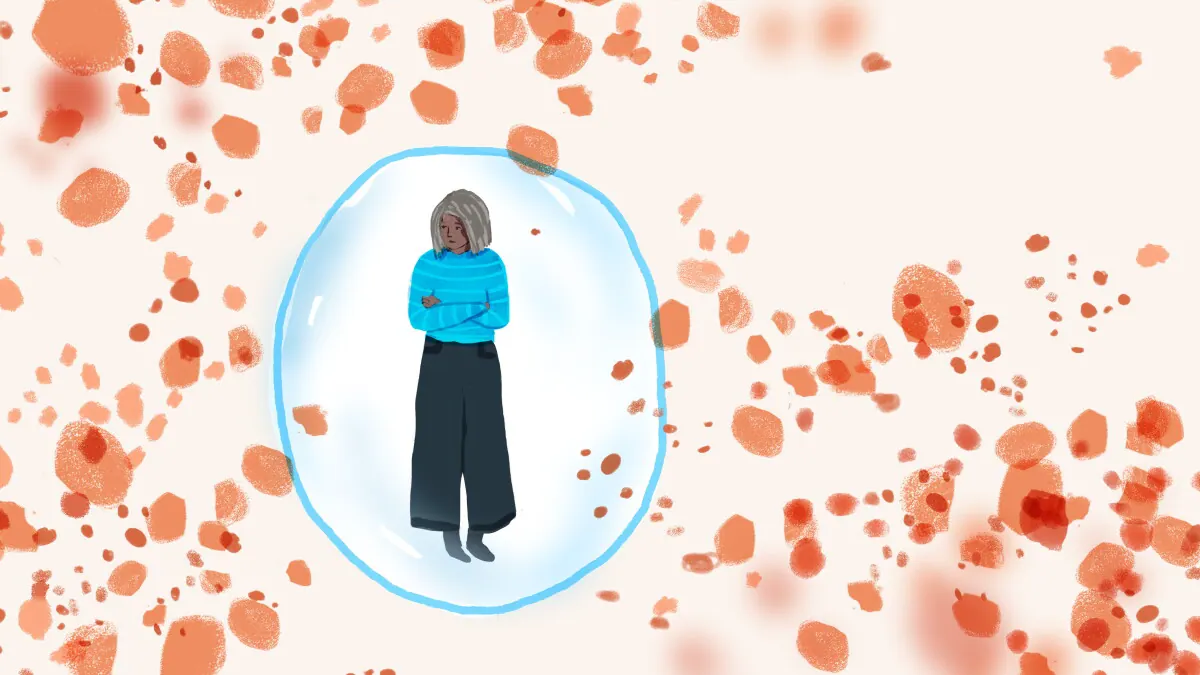
The United States is experiencing a significant measles outbreak with over 4,000 cases reported this year, the highest number in 35 years. According to Patsy Stinchfield, executive director of the Measles Collaborative, a public health effort led by the National Infectious Diseases Foundation, the rapid spread of the disease in Pennsylvania, which has reported over 1,000 cases, is a stark reminder of the importance of vaccination. The outbreak has resulted in five deaths in Pennsylvania.
Measles is a highly contagious disease that can spread quickly in populations with low immunization rates. Two doses of the measles, mumps, and rubella (MMR) vaccine are 97% effective in providing immunity. Dr. Adam Ratner, a pediatric infectious disease physician in New York City, emphasizes that the measles vaccine is safe and highly effective, providing lifelong immunity. The Centers for Disease Control and Prevention (CDC) recommends that children receive two doses of the MMR vaccine.
For individuals unsure about their immunization history, experts provide guidance. People born before 1957 are presumed to be immune, as measles was common in childhood back then. Dr. Larry Kociolek, a pediatric infectious disease specialist at Ann & Robert H. Lurie Children's Hospital of Chicago, notes that anyone who has had measles can be confident they are protected. However, those who were vaccinated before 1968 may need an additional dose, as they may have received an early, less effective version of the vaccine.
Individuals who received only one dose of the MMR vaccine may need to consider getting another dose. The CDC recommends that children receive two doses of the MMR vaccine, which was changed in 1989 after public health officials determined that a single dose was not enough to prevent outbreaks. Dr. Kociolek notes that one dose of the MMR vaccine is 93% effective, but a second dose provides higher protection, especially for those in higher-risk groups.
Certain groups, such as healthcare workers, people in college settings, and those traveling abroad, are considered high-risk and may need to take extra precautions. Additionally, individuals who live with or are in close contact with someone who is immunocompromised may also need to consider getting a second dose of the vaccine. Dr. Kociolek emphasizes that adults living in areas with high measles activity should consider getting a second dose.
For those who are unsure about their immunization history and cannot find records, a blood test can be taken to check antibody levels. However, Dr. William Moss, a professor of epidemiology at Johns Hopkins Bloomberg School of Public Health, notes that these tests are not perfect, and it may be easier and less expensive to simply get another MMR vaccine. Most private insurance plans and Medicaid must cover another MMR vaccine at no cost.
Zimbabwe has not been affected by the US measles outbreak, but experts stress the importance of vaccination in preventing the spread of the disease. While the situation in the US is a concern, Zimbabwe can take steps to ensure its citizens are protected. The World Health Organization (WHO) recommends that countries maintain high vaccination rates to prevent the spread of measles and other vaccine-preventable diseases.
Key points
- The US has reported over 4,000 measles cases this year, the highest number in 35 years.
- Two doses of the MMR vaccine are 97% effective in providing immunity against measles.
- Individuals unsure about their immunization history can consider getting a second dose of the MMR vaccine or taking a blood test to check antibody levels.