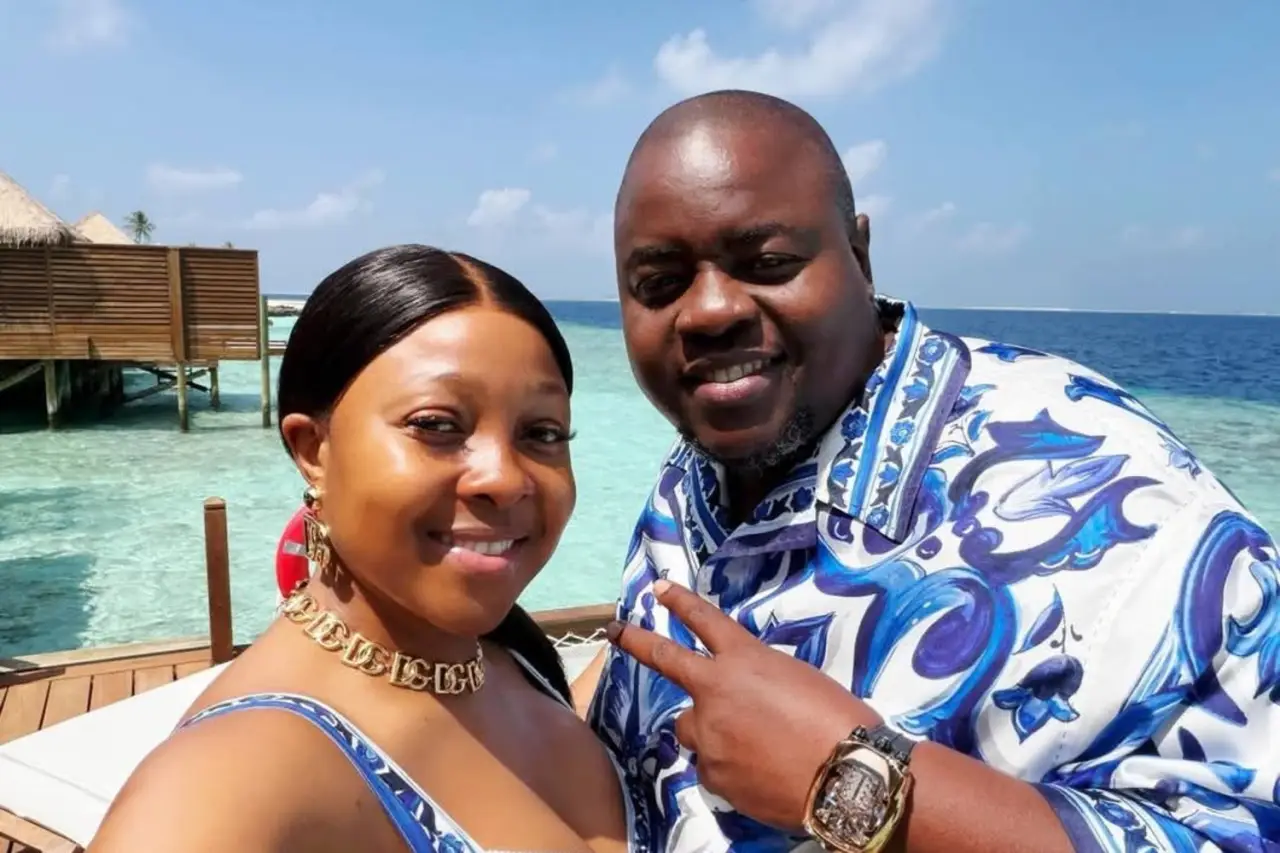
A helicopter crash in Marondera, Zimbabwe, has claimed the lives of six people, including prominent businessman Wicknell Chivayo and his wife Lucy Muteke. Authorities confirmed the crash, and family representatives and media outlets reported the identification of the victims. The incident has cast a sombre shadow over the country, with many pausing to reflect on the life of the 44-year-old Chivayo, who was born in 1982 and rose to become a notable figure in Zimbabwe's business and social scene.
Chivayo's life was marked by both remarkable success and controversy. He founded Intratrek Zimbabwe and was involved in significant infrastructure and energy projects, including the long-running Gwanda Solar Project. His philanthropic efforts, often publicized on social media, earned him recognition, but also raised questions about the origins of his wealth and his connections to political power. Chivayo faced legal proceedings, including a fraud case related to the Gwanda Solar Project, but was acquitted in 2023.
The public's reaction to Chivayo's death has been mixed, reflecting the complexities of his life and legacy. While some have mourned his passing, others have raised questions about his business dealings and the impact of his philanthropy. Dr. Sibangilizwe Moyo, in an opinion piece, urged caution against reducing Chivayo's life to a single characteristic, advocating for a nuanced understanding of his contributions and controversies. Moyo emphasized that Chivayo's story should not be overshadowed by speculation or allegations.
Chivayo's philanthropic efforts were a significant aspect of his public persona. He made substantial gifts to various individuals and organizations, including musicians, religious groups, and sports personalities. These acts of generosity sparked debate, with some viewing them as a demonstration of compassion and others questioning the motivations behind them. The issue of gifts and their implications for recipients has sparked discussions about conscience, purpose, and the potential for obligation or influence.
Dr. Moyo, who had previously defended Pastor Dr. Prophet Ian Ndlovu's acceptance of a gift from Chivayo, highlighted the complexity of such situations. Moyo argued that the context, purpose, and character of both the giver and receiver must be considered when evaluating the implications of gifts. This nuanced approach acknowledges that gifts can be a positive force, but also recognizes the potential risks of obligation or compromise.
In the aftermath of Chivayo's death, President Emmerson Mnangagwa revealed that he had a final meeting with the businessman, who was also involved in the Zimbabwe–South Africa 2028 AFCON bid. The helicopter crash is under investigation, with the aviation authority reporting that fuel spilled and a fire broke out after the aircraft hit the ground. The incident has raised questions about air safety and the circumstances surrounding the crash.
As Zimbabwe continues to process the news of Chivayo's passing, the nation is grappling with the complexities of his legacy. While his philanthropy and business achievements are undeniable, so too are the questions and controversies that surrounded him. Ultimately, his story serves as a reminder that human lives are multifaceted, and that simplistic narratives often fail to capture the full richness of an individual's experiences.
Key points
- Wicknell Chivayo and his wife Lucy Muteke were among six people killed in a helicopter crash in Marondera, Zimbabwe.
- Chivayo's life was marked by both remarkable success and controversy, including questions about the origins of his wealth and his connections to political power.
- The public's reaction to Chivayo's death has been mixed, reflecting the complexities of his life and legacy.