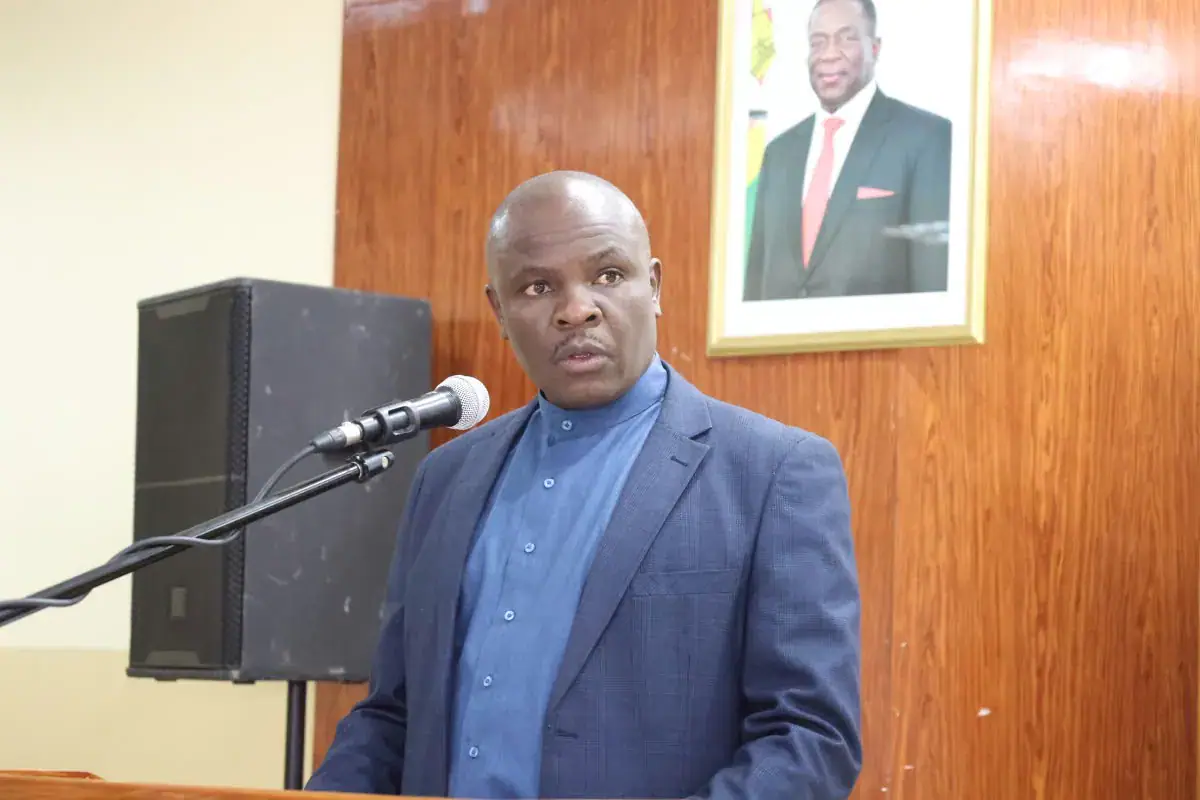
The Zimbabwean government has approved the allocation of 4x4 double cab vehicles to college principals as part of their conditions of service. This decision was announced by Higher and Tertiary Education deputy minister Simelisizwe Sibanda during the Tertiary Education Service Council (TESC) 2026 Strategic Planning Review and 2027 Performance Plan Workshop in Mutare. The workshop, which runs from November 16 to 20, aims to review and plan for the future of tertiary education in Zimbabwe.
According to Sibanda, the approval was made following due process, and principals have been designated as heads of departments for conditions of service, aligned to the chief secretary's circular of March 20, 2018. The 4x4 double cab vehicle is part of the conditions of service for principals. This move is expected to improve the working conditions of college principals and enhance their mobility.
Sibanda also announced plans to give institutions more independence and transform the Tertiary Education Service Council (TESC) into a regulatory body. The government intends to devolve human resource functions to institutions, providing them with autonomy comparable to that of universities. TESC will evolve into a quality assurance body similar to ZIMCHE.
The Tertiary Education Service Council (TESC) was created under Section 59A of the Manpower Planning and Development Act [Chapter 28:02], which was amended by the government. The purpose of TESC is to provide an enabling environment for institutions to implement Heritage-Based Education 5.0 and contribute to the realization of Vision 2030, as guided by the National Development Strategy 2 (NDS2).
Sibanda emphasized the importance of adequate funding for TESC, stating that its strategic plan must be costed on a programme basis. This will enable the council to make a strong case for funding from the Treasury. He wants to see TESC adequately funded and reflected in the Blue Book in the next budget cycle, ensuring that its human capital functions are fully met.
The deputy minister stressed that autonomy cannot be achieved without good leadership. He emphasized the need for timely staffing, particularly in science, technology, engineering, and mathematics (STEM) fields. Institutions will train secondary school STEM teachers, and some colleges will offer STEM degrees in collaboration with the University of Zimbabwe.
Sibanda also highlighted the challenges that remain, including workforce shortages in specialized fields and underserved regions. He approved the Tertiary Education Principals Association of Zimbabwe (TEPAZ) under Section 59I(1) to work with the council on staff conditions of service. The review must set timelines and indicators for TESC's annual reports, and the council must submit its activities and financial statements.
Key points
- The Zimbabwean government has approved 4x4 double cab vehicles for college principals as part of their conditions of service.
- The Tertiary Education Service Council (TESC) will be transformed into a regulatory body, providing institutions with more independence.
- The government aims to achieve an upper-middle-income economy by 2030 through the implementation of the National Development Strategy 2 (NDS2).