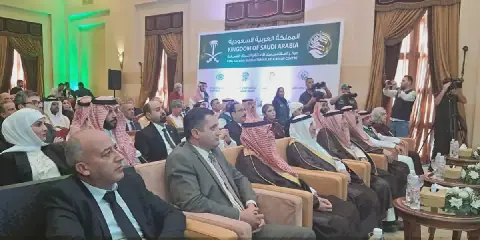
The Zimbabwean government has directed the country's space agency, Zimbabwe National Geospatial and Space Agency (ZINGSA), to accelerate its satellite projects and develop local drone production capabilities. Deputy Minister of Higher and Tertiary Education, Simelisizwe Sibanda, made the call during the official opening of ZINGSA's strategic plan review in Chinhoyi on Monday. Sibanda emphasized the need for self-reliance in space technology, citing the importance of local innovation in shaping domestic policies.
Sibanda specifically instructed ZINGSA to prioritize the development of the ZIMSAT-3 and ZIMCOM satellite projects. He stressed that the agency should not rely on foreign suppliers for critical earth observation data, instead opting for localized innovation. This approach aims to drive Zimbabwe's industrialization, enhance national security, and guarantee data sovereignty. The agency's focus on self-sufficiency aligns with the government's vision for a more independent and technologically advanced nation.
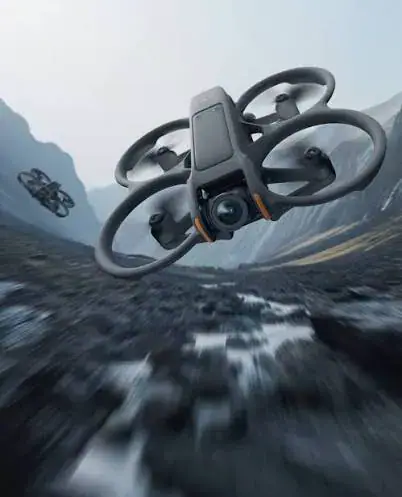
In addition to satellite development, Sibanda urged ZINGSA to establish a local drone assembly industry in partnership with university innovation hubs. The drone division should not only operate aircraft but also manufacture them locally, promoting collaboration between the agency and academic institutions. This initiative seeks to foster a culture of innovation and entrepreneurship in Zimbabwe's aerospace sector.
Sibanda also emphasized the importance of capacity development programs for ZINGSA's data analytics teams. He encouraged the agency to develop proprietary software for local and export purposes, focusing on tangible outputs and commercial viability. The success of ZINGSA's strategic plan will be evaluated based on its ability to deliver concrete socio-economic impacts, in line with Vision 2030.
The deputy minister set a high benchmark for ZINGSA's performance, comparing it to a "high-octane industrial machine" that anchors national modernization. He expressed confidence that the agency is scaling its systems to deliver significant socio-economic benefits. ZINGSA's satellite images, algorithms, and spatial models are expected to serve remote communities, adhering to the principle of "Leaving No One and No Place Behind."
Sibanda also highlighted the need for ZINGSA to deepen international partnerships and expand Zimbabwe's presence in the African Union's continental space ecosystem. The agency must keep Zimbabwean scientists at the forefront of aerospace engineering, ensuring they remain competitive globally. To achieve this, Sibanda emphasized the importance of measurable targets, aggressive timelines, and accountability for all officers.
Ultimately, Sibanda urged ZINGSA to translate its research into commercial products, bringing space innovations down to earth to serve Zimbabwe's economy. By doing so, the agency can contribute to the country's economic growth and development, while also showcasing its capabilities in the global space industry.
Key points
- Zimbabwe's space agency to prioritize local drone production and satellite development
- Government aims to drive industrialization and enhance national security through self-reliance in space technology
- ZINGSA's success will be evaluated based on tangible outputs and commercial viability