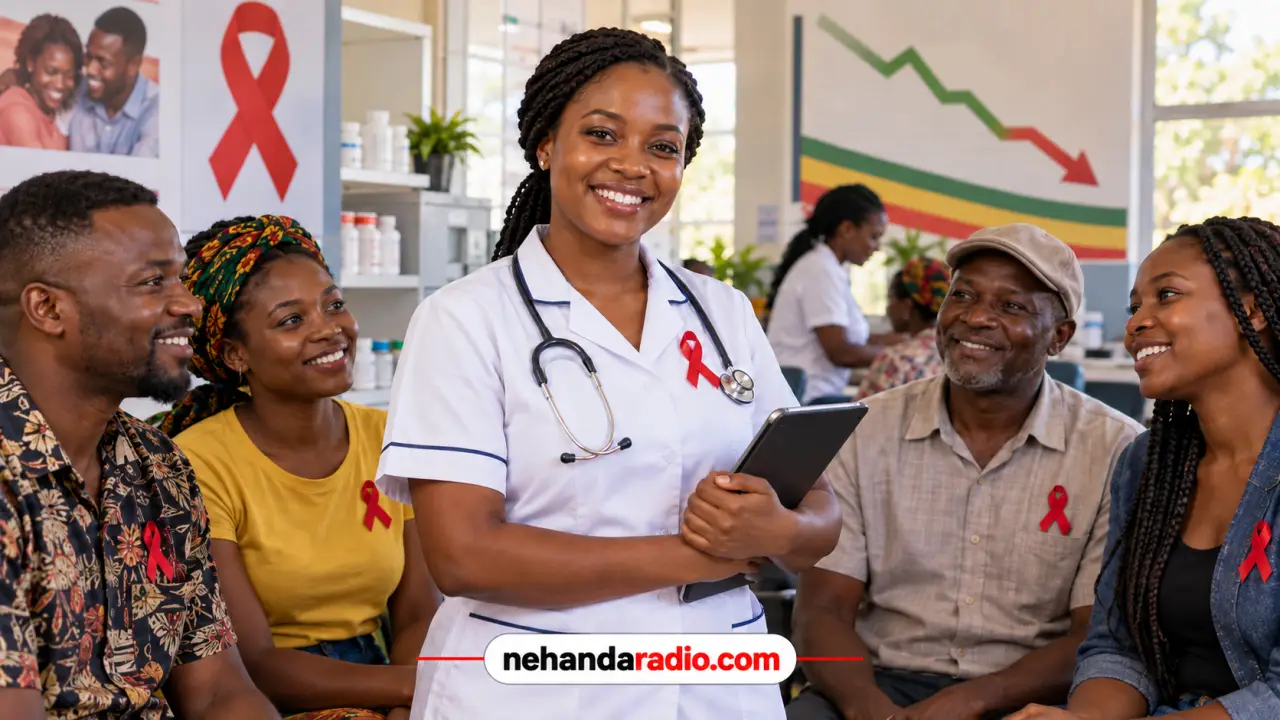
Despite carrying one of the world's largest HIV burdens, Zimbabwe has achieved striking progress in prevention and treatment. The country has 1.3 million people living with HIV, placing it among the world's most heavily affected. However, Zimbabwe has also emerged as one of the countries making exceptional progress in reducing new infections, expanding access to treatment, and preventing AIDS-related deaths.
According to figures published by the United Nations, new HIV infections in Zimbabwe fell from 76,000 in 2010 to 15,000 in 2025, representing an 80% reduction. AIDS-related deaths declined by 78% over the same period, while antiretroviral treatment coverage climbed dramatically from 26% to 95%. This progress reflects decades of work by health workers, communities, people living with HIV, local organizations, government programs, and international partners.
Zimbabwe is now one of only eight countries in the world to have achieved or surpassed all three UNAIDS 95-95-95 targets. These targets seek to ensure that 95% of people living with HIV know their status, 95% of those who know their status are receiving antiretroviral treatment, and 95% of those on treatment achieve viral suppression. Zimbabwe's performance stands at 97-98-96, with 97% of people living with HIV knowing their status, 98% of those diagnosed receiving treatment, and 96% of those receiving treatment achieving viral suppression.
The country's progress is also reflected in the number of people receiving antiretroviral therapy. By the end of 2025, more than 1.2 million Zimbabweans were receiving treatment, representing approximately 95% of the estimated 1.3 million adults and children living with HIV in the country. The Zimbabwean government has played a crucial role in this achievement, with the AIDS Levy helping to finance the national response and provide some protection against sudden changes in international assistance.
However, significant challenges remain. Adult HIV prevalence was estimated at 9.8% in 2025, leaving Zimbabwe among the 10 countries carrying the highest HIV burden in eastern and southern Africa. Young women, children, and other populations facing barriers to prevention, testing, and treatment continue to require focused assistance. Treatment must remain consistently available, while prevention services must reach people before they acquire HIV.
The UN has warned that development assistance could decline further, making greater domestic investment essential if Zimbabwe is to protect its progress. The country must also continue addressing the poverty, gender inequality, stigma, exclusion, and violence that increase people's vulnerability to infection and discourage some from seeking care. Interruptions in medication, testing, or community programs could reverse gains that took decades to achieve.
Zimbabwe's achievement demonstrates what sustained investment, community participation, and access to effective medication can accomplish. The challenge now is to protect those hard-won gains, reach people who remain outside treatment and prevention programs, and continue towards the goal of ending AIDS as a public health threat by 2030. The country's ranking among those with the largest populations living with HIV should not erase its record of progress.
Key points
- Zimbabwe has achieved an 80% reduction in new HIV infections from 76,000 in 2010 to 15,000 in 2025.
- The country has surpassed all three UNAIDS 95-95-95 targets, with 97% of people living with HIV knowing their status, 98% of those diagnosed receiving treatment, and 96% of those receiving treatment achieving viral suppression.
- Significant challenges remain, including a high HIV burden, particularly among young women, children, and other vulnerable populations.