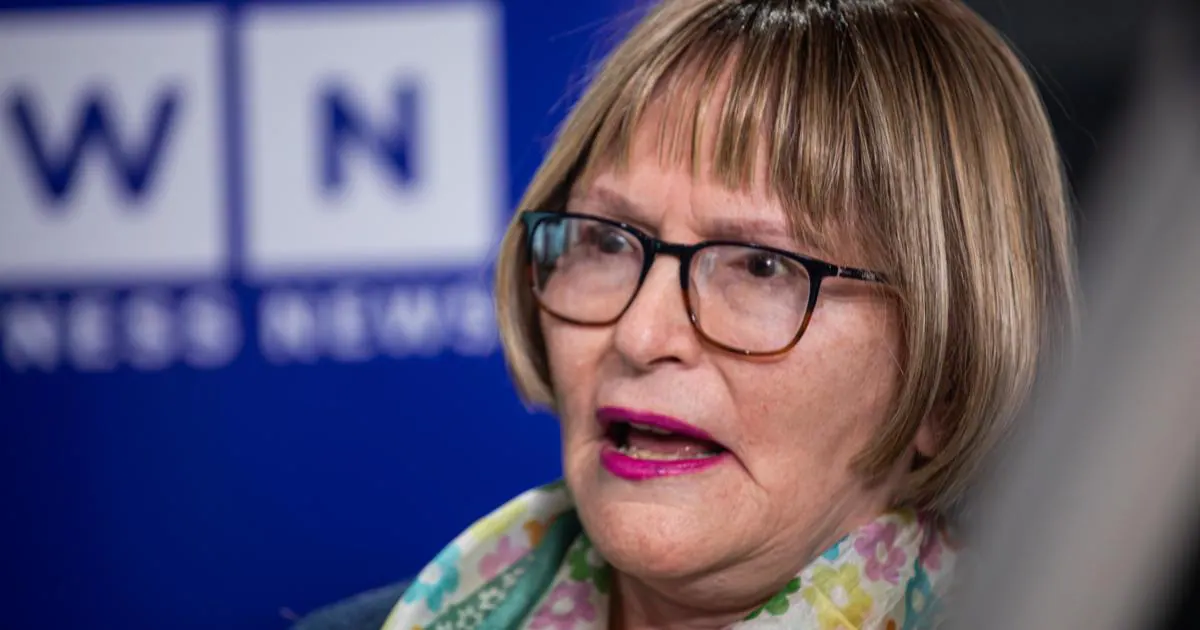
The Democratic Alliance's Helen Zille has challenged parties submitting single-name proportional representation lists ahead of the 2026 municipal elections, arguing that voters deserve to know who could represent them in council. Zille, the DA's Johannesburg mayoral candidate, expressed concerns about parties like ActionSA, the EFF, the MK Party, and GOOD, which have submitted single-name PR lists in some municipalities despite potentially winning multiple PR seats.
Zille's concerns center on the democratic process and the intention of amendments to the Municipal Structures Act. She argues that the practice raises questions about the legitimacy of the electoral process and that voters have a right to know who they are voting for. According to Zille, parties previously submitted one name on their PR lists and supplemented them after the election, before the first council meeting.
However, election management expert Terry Tselane disputes Zille's interpretation of the law. Tselane, the Executive Chairman of the Institute of Election Management Services in Africa, says the legislation provides for parties to add candidates if they win more seats than they initially listed. He referred to provisions in the Municipal Structures Act dealing with parties that win more seats than they initially submitted candidates for.
Tselane explained that the chief electoral officer would notify a party if its list contained fewer candidates than the number of seats it was entitled to fill. The party would then be required to submit additional names within two days of receiving the notice. This process would take place after the election results were announced and before the first council meeting.
ActionSA, one of the parties that submitted a single-name PR list, said it had deliberately done so in Johannesburg, with its mayoral candidate, Herman Mashaba, being the only name on the list. The party intends to supplement its list according to the number of seats it wins, based on the outcomes of ward candidates across the city.
Zille maintains that parties should submit a coherent list of candidates in ranked order, based on the number of seats they believe they could win. She argues that parties should not be allowed to use the post-election process to select candidates voters had not been able to see before voting. The DA is seeking a court ruling on its interpretation of the law and the purpose of the 2021 amendments.
The dispute raises questions about how parties should compile their PR lists and what voters should be able to know about potential councillors before an election. Zille and Tselane have differing views on the matter, with Zille emphasizing the importance of transparency and voter choice, and Tselane focusing on the legal provisions that allow parties to supplement their lists after the election.
Key points
- The Democratic Alliance's Helen Zille challenges parties submitting single-name PR lists, arguing that voters deserve to know who could represent them in council.
- Election expert Terry Tselane disputes Zille's interpretation, saying the law allows parties to supplement their lists after the election results are announced.
- The dispute may lead to a court ruling on the interpretation of the law and the purpose of the 2021 amendments to the Municipal Structures Act.