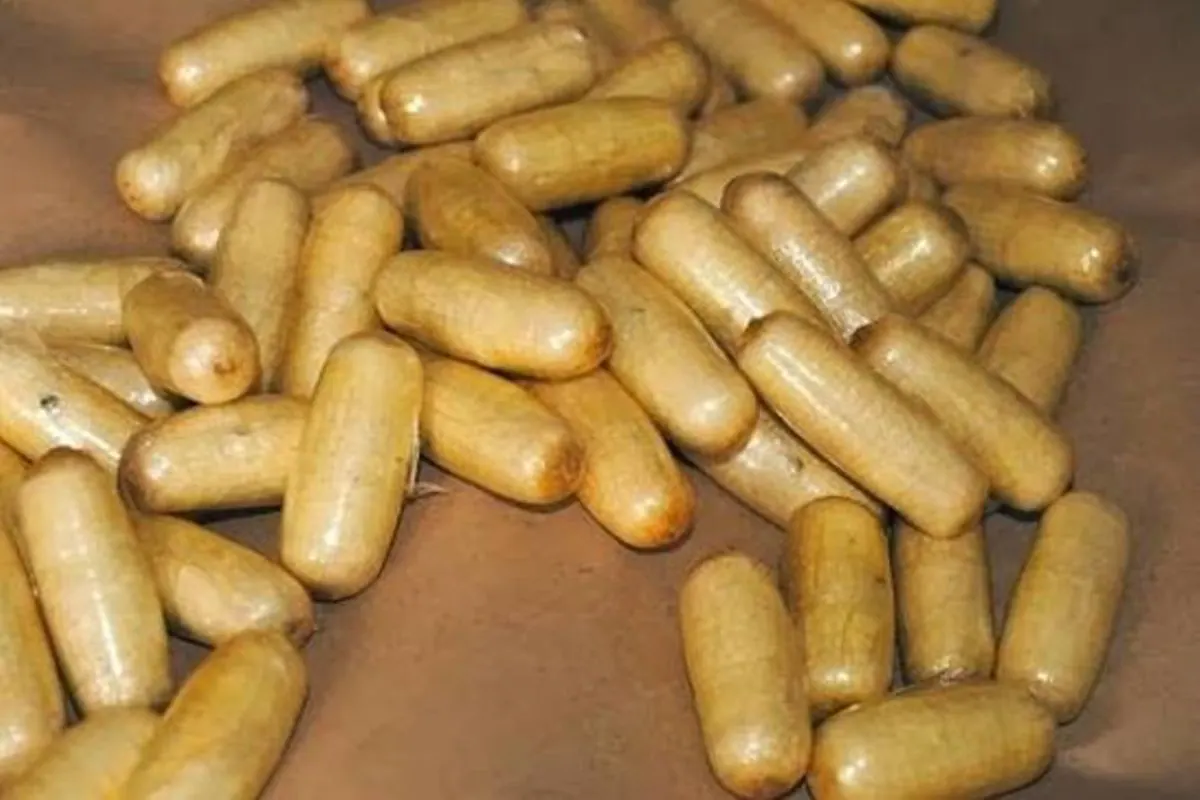
A recent study and reports from anti-narcotics experts have revealed that illicit drugs have made their way into primary and secondary schools in Zanzibar, posing a significant threat to the provision of education. The experts warn that substance addiction severely undermines the primary purpose of schooling, which is to build intellectual capacity and shape behavior. As a result, the government has outlined measures to tackle the crisis, urging parents and guardians to cooperate closely.
Investigations conducted by specialists in various schools across Unguja have uncovered worrying results. The Kidimni Treatment and Behaviour Modification Centre Manager, Mr. Ali Yussuf Ali, has reported that the situation in some schools is critical, with dealers adapting their smuggling tactics following security clampdowns. Traffickers are now exploiting students, particularly girls, who are intercepted after leaving school. Mr. Ali cited an incident in which a female student went missing for days before being tracked down within a drug trafficking network.
According to Mr. Ali, criminals cover all expenses for the students while continuously modifying their methods to evade detection. Initially, women were used in the business, but after being exposed, traffickers shifted to using students, especially females. Girls reportedly find it easier to carry narcotics by concealing them inside exercise book covers while wearing a baibui (abaya) similar to school uniform items to avoid suspicion.
Incidents in schools have revealed the extent of the problem. At a primary school in Mbuzini, North Unguja Region, experts discovered Standard Five and Six pupils, under 15 years old, already struggling with drug use. Similarly, 15 students out of 26 tested at Mwanakwerekwe C School were found to be affected by drugs, representing more than 50 percent of those tested. Another distressing incident occurred at Chuini School, where a group of students assaulted a teacher, with seven of the eight students involved being active drug users.
Child development and parenting expert Khadija Haji has identified inadequate family guidance as a key factor behind young people's vulnerability. She says many modern parents confuse material provision with parenting, leaving children to be raised by social networks like TikTok and cartoons carrying hidden messages. Some parents have acknowledged these shortcomings, with one parent, Ayoub, admitting that children often do as they please while parents are busy with other duties.
In response to the crisis, the government has issued a stern warning to criminals targeting learners, vowing to combat the trade around the clock. Deputy Minister for Education and Vocational Training, Ms. Khadija Salum Ali, has stated that strict measures will be taken against anyone using students in the illegal trade. The government is implementing robust measures to curb the menace, with total drug seizures falling to 533.552 kilogrammes from 729.587 kilogrammes in 2024.
The government has reported that cannabis remains the most prevalent substance, accounting for 183 of the 232 drug-related arrests recorded in 2025. The Acting Minister in the First Vice-President's Office, Mr. Hamza Hassan Juma, has presented the 2025 drug situation report, highlighting the need for continued efforts to address the issue. The government is working to ensure that students are protected from the threats of substance addiction and that education is not undermined by the infiltration of illicit drugs.
Key points
- The government has outlined measures to tackle the crisis, urging parents and guardians to cooperate closely.
- Traffickers are exploiting students, particularly girls, who are intercepted after leaving school.
- Inadequate family guidance has been identified as a key factor behind young people's vulnerability to substance addiction.