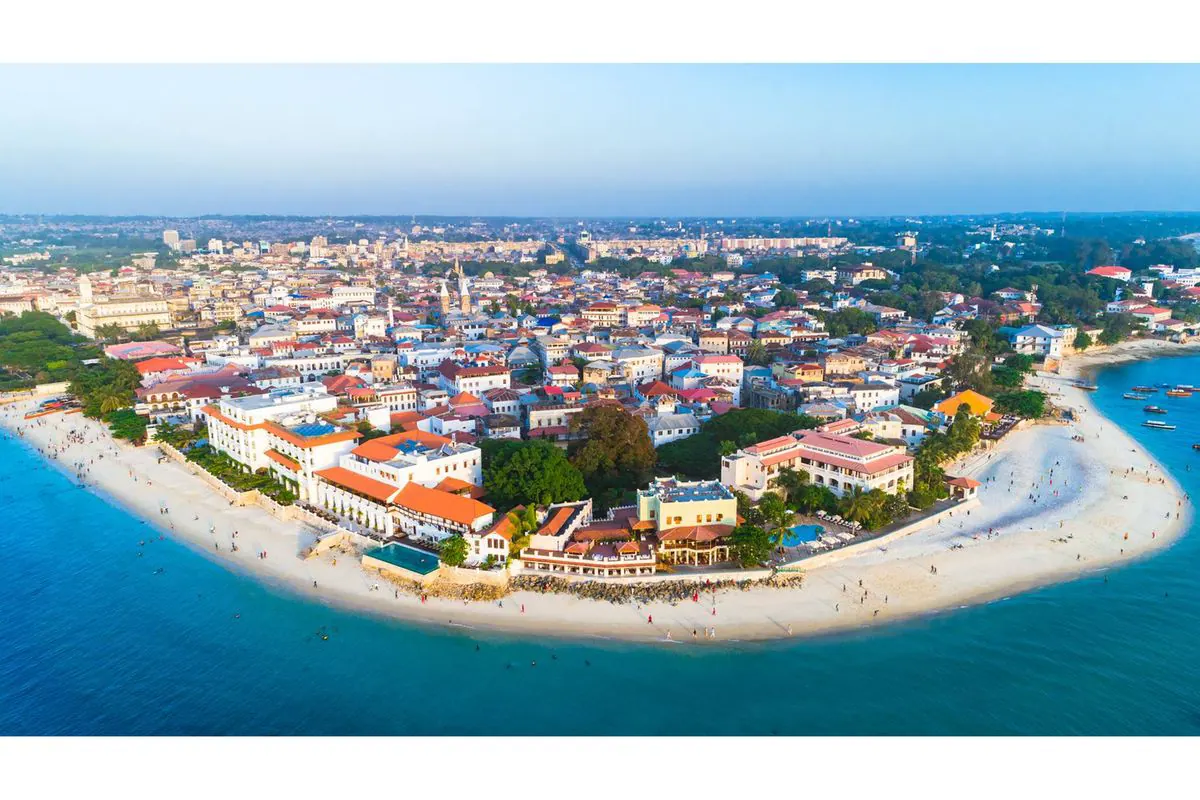
The Zanzibar Revolutionary Government, in collaboration with the International Union for Conservation of Nature (IUCN), has initiated a process to establish a collaborative management system for the South Unguja Seascape. This aims to strengthen environmental conservation and promote the blue economy. Stakeholders from government institutions, research organisations, the private sector, and coastal communities gathered for a meeting officially opened by Deputy Permanent Secretary Zahor Kassim Al-Kharous on September 29, 2026.
Deputy Permanent Secretary Zahor Kassim Al-Kharous highlighted the Zanzibar Revolutionary Government's prioritisation of the blue economy as a key driver of economic growth, employment creation, and improved livelihoods. This aligns with the Zanzibar Development Vision 2050. He emphasised the ecological and economic importance of South Unguja, featuring sensitive areas such as Menai Bay, coral reefs, mangrove forests, and seagrass beds that support fishing, tourism, and seaweed farming.
However, Deputy Permanent Secretary Zahor identified threats to these resources, including illegal fishing, unsustainable practices, environmental pollution, particularly plastic pollution, the effects of climate change, and competing uses of marine areas. He stressed that marine management requires cooperation among all stakeholders, including higher learning institutions, civil society organisations, the private sector, and coastal communities through shehia fisheries committees.
IUCN Tanzania Country Director Charles Oluchima stated that the Bahari Mali Project aims to strengthen sustainable management, good governance, and conservation of coastal and marine resources in Zanzibar. The seascape approach provides a modern framework for managing large marine areas based on ecological connections while bringing stakeholders together around a common vision.
According to IUCN Tanzania Country Director Charles Oluchima, experience from other areas, including Tanga, Mtwara, Northeast Unguja, and Sorong in Indonesia, has demonstrated the value of collaborative approaches in conservation and improving community livelihoods. The meeting sought to build a shared understanding among stakeholders, identify opportunities and challenges, define the boundaries of the South Unguja Seascape, and establish an interim steering committee.
South Unguja Regional Administrative Secretary Radhia Rashid welcomed participants, noting that South Unguja is endowed with important ecosystems providing economic and employment opportunities for local communities. She emphasised the need for cooperation between the regional government, local authorities, and conservation stakeholders to protect marine resources for present and future generations.
The initiative aligns with international commitments under the Great Blue Wall initiative and the Canada-led commitment to effectively conserve and manage at least 30 per cent of terrestrial and marine areas by 2030. The meeting concluded with a joint resolution to establish the South Unguja Seascape Stakeholders’ Forum and set out an implementation framework for promoting an inclusive blue economy in Zanzibar.
Key points
- Zanzibar gov't and IUCN collaborate to conserve South Unguja Seascape and promote blue economy.
- Initiative aims to strengthen environmental conservation and promote economic growth, employment creation, and improved livelihoods.
- Meeting concludes with joint resolution to establish South Unguja Seascape Stakeholders’ Forum.