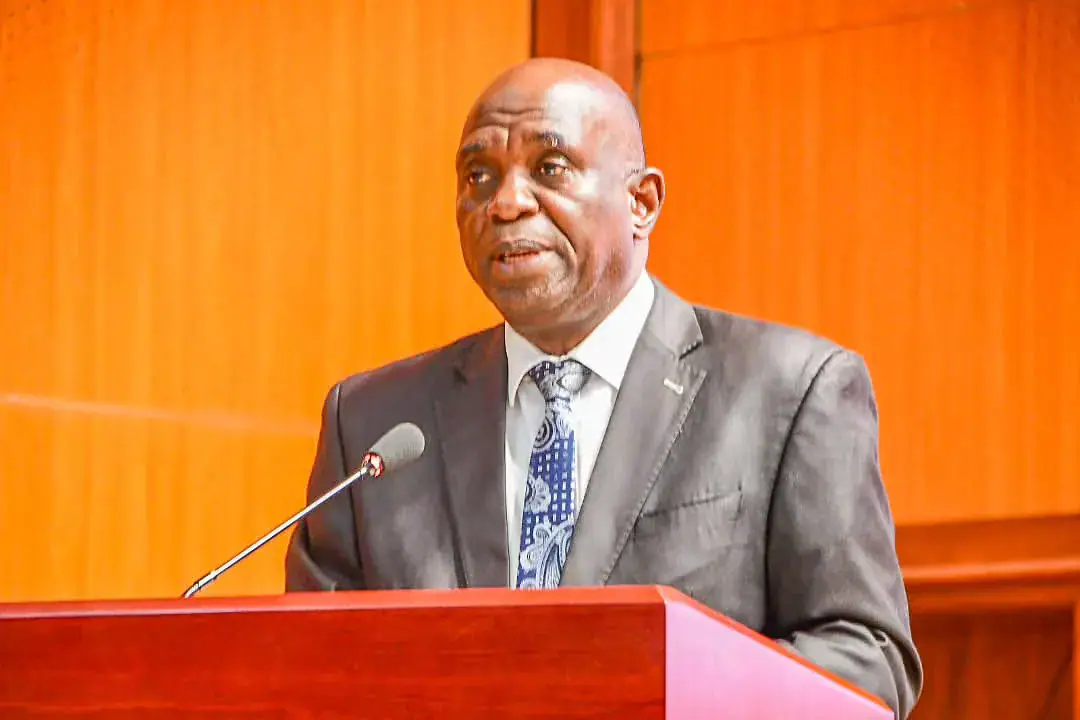
The 40th Conference of the Federation of African Medical Students' Associations (FAMSA) has commenced in Zanzibar, Tanzania. Minister of State in the Zanzibar Second Vice-President's Office, Hamza Hassan Juma, stated that hosting this event presents a significant opportunity for medical and health sciences students across Africa to strengthen cooperation, exchange professional experiences, and explore technological advancements in the health sector. The conference is part of FAMSA's tradition of holding meetings in member states to build relationships, promote unity, and discuss effective ways of addressing health challenges facing the continent.
The two-day conference in Zanzibar will provide participants with an opportunity to learn about emerging technologies in healthcare, including the application of Artificial Intelligence (AI) in improving medical examinations, disease diagnosis, and treatment. This aligns with the vision of the State University of Zanzibar (SUZA), which aims to produce graduates with the skills, knowledge, and broad perspectives needed to respond to labour market demands. SUZA's Deputy Vice-Chancellor responsible for Finance, Planning and Administration, Professor Jamal Jumannne Athumani, noted that hosting the conference is an important milestone for Zanzibar.
The Zanzibar Ministry of Health Director of Planning, Policy and Research, Omar Mwalim Omar, highlighted that the conference offers medical students a platform to strengthen professional cooperation, conduct joint research, and establish wider networks. This will enable health professionals from different African countries to exchange knowledge and experiences in addressing health challenges. The conference brings together medical students from various African countries, providing a unique opportunity for collaboration and knowledge sharing.
FAMSA Vice-President, Wahida Ali, provided an overview of the federation, stating that it brings together medical students from different African countries and has a network of approximately 3,000 students. With a history spanning nearly 50 years since its establishment, FAMSA is recognised by international institutions, including the World Health Organisation (WHO) and the African Union (AU). This recognition underscores the federation's commitment to promoting medical cooperation and innovation across the continent.
The conference is expected to foster meaningful discussions and collaborations among medical students, with a focus on addressing health challenges facing Africa. Participants will engage with emerging technologies in healthcare, including AI, and explore ways to strengthen professional cooperation and networks. The event is a significant step towards promoting unity and cooperation among medical students across Africa.
The hosting of the 40th FAMSA Conference in Zanzibar is seen as a strategic move to promote technological advancements in the health sector. The conference will provide a platform for medical students to learn about innovative solutions and best practices in healthcare, ultimately contributing to improved health outcomes in Africa. The event is a testament to Zanzibar's commitment to promoting medical cooperation and innovation.
Key stakeholders, including government officials, medical students, and international organisations, are expected to participate in the conference. The event will provide a unique opportunity for knowledge sharing, collaboration, and networking among medical professionals and students. The 40th FAMSA Conference is a significant event that will contribute to the development of medical cooperation and innovation in Africa.
Key points
- The 40th FAMSA Conference in Zanzibar aims to strengthen cooperation among medical students across Africa and promote technological advancements in healthcare.
- The conference provides a platform for medical students to learn about emerging technologies, including Artificial Intelligence, and exchange knowledge and experiences.
- FAMSA has a network of approximately 3,000 students and is recognised by international institutions, including the World Health Organisation (WHO) and the African Union (AU).