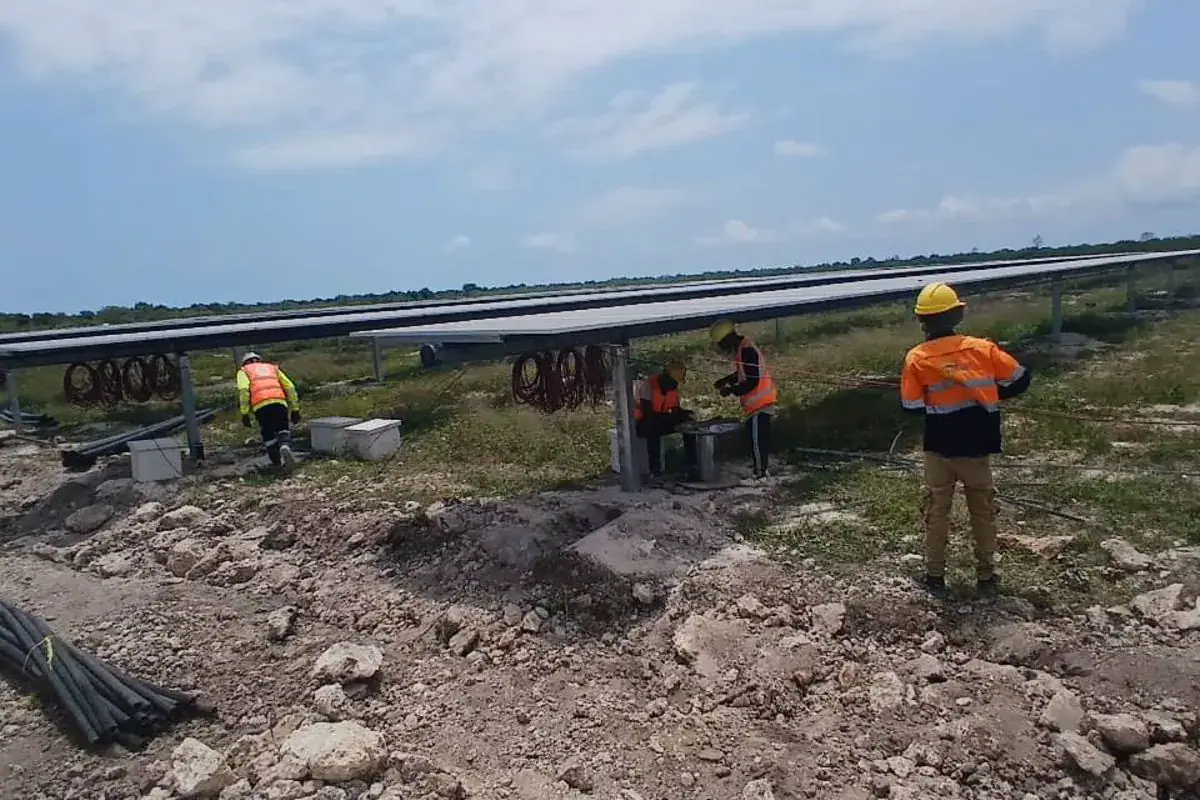
Zanzibar is making significant strides towards achieving energy self-sufficiency with the ongoing construction of its first major solar photovoltaic (PV) project in Bambi, Central District, South Unguja. The project, implemented by Generation Capital (Zanzibar) Limited in partnership with Taifa Group Zanzibar, is expected to generate 180 megawatts of electricity upon completion. The government has signed a 25-year Power Purchase Agreement (PPA) with the Zanzibar Electricity Corporation (Zeco) to purchase 80 megawatts of electricity from the project.
The project's first phase is nearing completion, with initial tests on eight megawatts expected to begin within seven to 10 days in November 2026. The company aims to supply 20 megawatts directly to Zeco's grid by December 2026. According to Generation Capital Project Manager, Steve Wasira, over 12,000 modern solar panels with a solar tracking system are ready on site, and the company is working to complete over 4,000 holes by the end of the week. The project's progress has impressed members of the House of Representatives' Infrastructure, Land and ICT Committee, who visited the site on November 3, 2026.
The project's construction is progressing rapidly, with contractor Genergies undertaking the work and parent company REI handling design and standards. The contractor, Ibrahim Mussa, reported that his team is digging between 135 and 170 holes daily, with about 1,500 remaining to be completed by November 15. The project is observing 100 percent local content, with Tanzanians serving as electrical, civil, and mechanical engineers. Daytime power will be fed directly into the grid without batteries.
Zeco General Manager, Haji Mohamed Haji, stated that preparations to receive the electricity are 97 percent complete. The government has built an evacuation line to Uroa connecting to the Southern grid, which is 10 to 15 meters from the Northern grid at Kibweni, allowing for extra power transfers North if needed. A control centre will be completed within two weeks, alongside two meters to verify electricity supplied. The government allocated 66 acres for the project, with 50 acres for Generation Capital and 16 acres for batteries.
The government has invested in batteries to avoid burdening consumers, as investor-provided batteries would raise electricity prices to $0.21 cents per kilowatt-hour. The decision reflects the government's position of keeping electricity prices unchanged since 2014. The equipment used in the project is designed to last up to 50 years without damage from sea salt. Under the PPA, the government has no liability, and the investor must supply the agreed-upon megawatts.
The government is also expanding generation capacity through other projects, such as the 18.5-megawatt Makunduchi plant, funded by the World Bank and Norwegian aid. Permanent Secretary in the Ministry of Water, Energy and Minerals, Joseph Kilangi, stated that the two-year project demonstrates President Hussein Ali Mwinyi's commitment to energy self-sufficiency. Taifa Group Zanzibar chief projects officer, Aziz Said Ali, said the group continues to invest in solar energy, gas, and electric vehicles.
Committee chairperson, Mihayo Juma N'hunga, commended the investors and advised the Ministry, Zeco, and Planning Commission to start compensating for 130 extra hectares needed for 180 megawatts. The committee will monitor the promised supply of eight megawatts in November and 20 megawatts in December to ease hot-season power shortages. Minister of Water, Energy and Minerals, Nadir Abdulatif, pledged to issue a permit within three days for 30 lorries to transport sand from Tanzania Mainland, speeding up completion.
Key points
- The project aims to generate 180 megawatts of electricity and ease power shortages in Zanzibar.
- The government has signed a 25-year PPA with Zeco to purchase 80 megawatts of electricity from the project.
- The project's first phase is expected to supply 30 megawatts to Zanzibar's national grid.