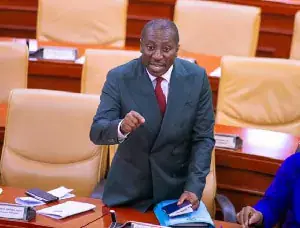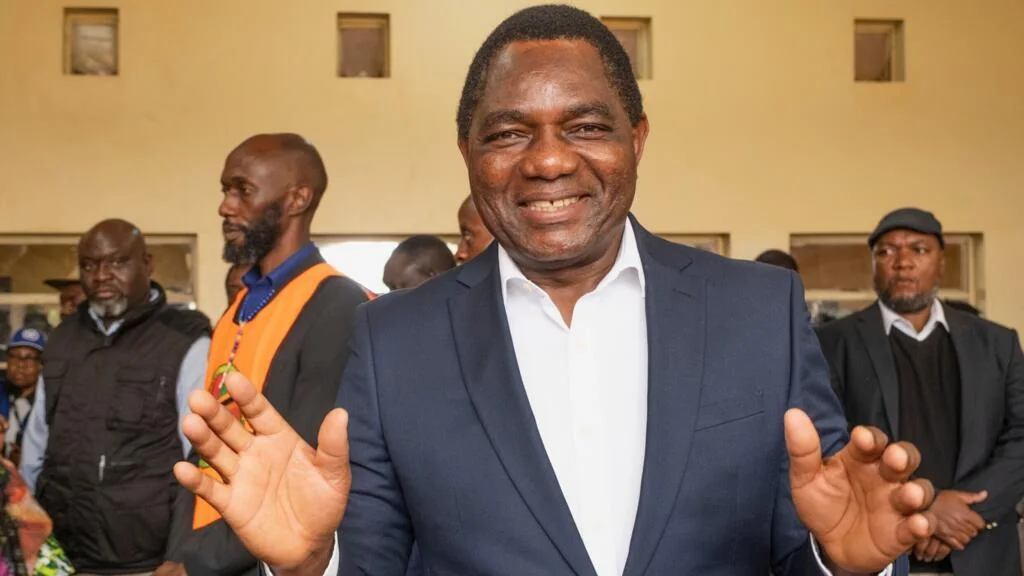
Zambia and the United States are set to sign a five-year, $3.6 billion health partnership on Thursday, ending months of negotiations over data-sharing requirements. The agreement will strengthen Zambia's health system and increase domestic financing. Zambia's Health Minister Roma Chilengi confirmed that the US will contribute $1.5 billion to the programme. This deal was first announced in February as a five-year effort to improve Zambia's health sector.
The partnership was delayed due to disagreements over provisions that would have required Zambia to share patient health data and biological specimens with the US. However, the final version of the agreement no longer contains such clauses. Chilengi's announcement comes after several African countries, including Kenya, signed similar US health agreements with data-sharing provisions. These provisions have sparked a regional debate on the benefits and drawbacks of sharing health data.
The US argues that access to health data helps track emerging diseases and supports research. However, the agreements do not guarantee that partner countries will receive any resulting medical products. Several African countries, including Zimbabwe, Namibia, and Ghana, have expressed resistance to comparable data-sharing clauses. Zimbabwe lost US health assistance, and Washington announced plans to phase out funding for Namibia's HIV programme due to their resistance.
Ghanaian President John Dramani Mahama recently criticised US requests for endemic disease data, citing concerns about reciprocal rights to inspect medicines entering the country. The Zambia-US deal reflects a shift in US health policy across Africa, seeking greater financial contributions from partner governments while reducing direct assistance. This approach aims to promote sustainability and self-reliance in African countries' health sectors.
The $3.6 billion health partnership will focus on strengthening Zambia's health system, improving healthcare services, and increasing domestic financing. The agreement is expected to have a positive impact on Zambia's healthcare sector, which has faced significant challenges in recent years. The deal is also seen as a significant development in the US-Africa health partnership, with implications for future collaborations.
Zambia's experience with the US health partnership may serve as a model for other African countries. The country's negotiations with the US demonstrate the complexities of international health cooperation and the need for mutually beneficial agreements. As the global health landscape continues to evolve, partnerships like the Zambia-US deal will play a crucial role in shaping the future of healthcare in Africa.
The signing of the agreement on Thursday marks a significant milestone in Zambia's efforts to improve its health sector. The country's Health Minister Roma Chilengi has expressed optimism about the partnership's potential to drive positive change in Zambia's healthcare system. With the US contribution of $1.5 billion, Zambia is poised to make significant strides in strengthening its health sector and improving healthcare services for its citizens.
Key points
- The US will contribute $1.5 billion to the five-year health partnership.
- The agreement no longer includes data-sharing requirements.
- The partnership reflects a shift in US health policy across Africa, seeking greater financial contributions from partner governments.