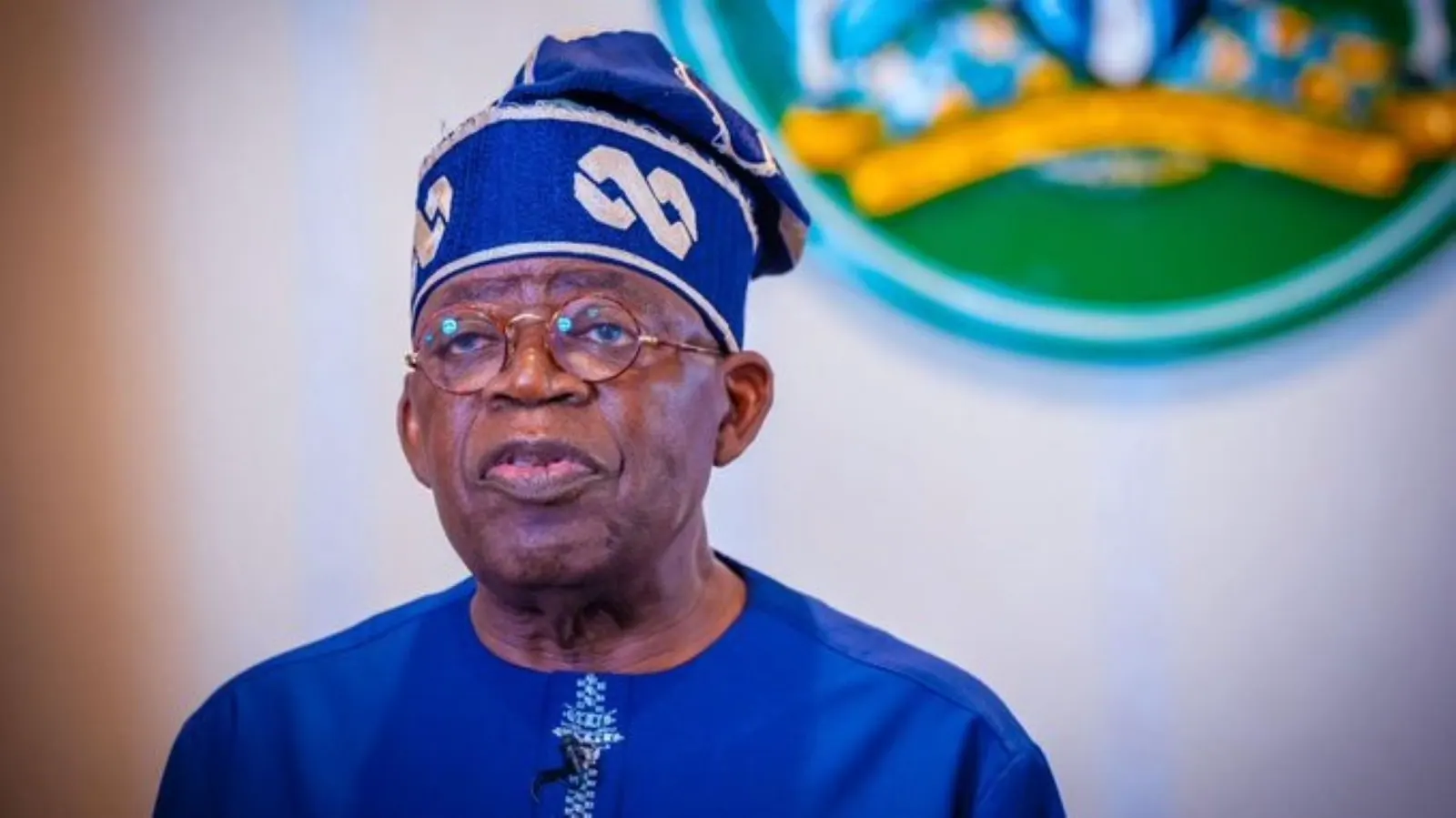
Zahrah Mustapha-Audu, National Publicity Secretary of the City Boy Movement and Director-General of the Presidential Enabling Business Environment Council (PEBEC), has called for a balanced evaluation of President Bola Tinubu's political career. She argues that his legacy should be assessed in the broader context of historical leadership, rather than solely through controversies surrounding his biography. Mustapha-Audu cites former South African President Nelson Mandela and Ghana's former leader Jerry John Rawlings as examples of African leaders with complex legacies.
Mustapha-Audu highlights that Mandela's history included his role in establishing Umkhonto we Sizwe, the armed wing of the African National Congress, and his 27-year imprisonment. Despite these controversies, Mandela emerged as a key figure in negotiations that ended apartheid and became South Africa's first democratically elected president. Similarly, Rawlings' political career evolved from military intervention to elected constitutional leadership. Mustapha-Audu argues that Tinubu's career should be evaluated using a similar framework, considering both his accomplishments and controversies.
The controversy surrounding Tinubu's university education has been a subject of debate. Mustapha-Audu notes that Nigerians are entitled to scrutinize the credentials of public officials but should distinguish between allegations, disputed facts, and established facts. Records from litigation in the United States in 2023 showed that Chicago State University confirmed Tinubu attended the institution and graduated in 1979. However, the dispute includes questions concerning the provenance and authenticity of a particular diploma submitted to Nigerian electoral authorities.
Mustapha-Audu emphasizes that Tinubu's decades-long political career is evidence of his political organization, coalition-building, and strategic capacity. She recalls his journey from the Senate during the aborted Third Republic to his election as Lagos State governor in 1999 and subsequent roles in opposition politics. His participation in forming the All Progressives Congress and emergence as President demonstrate his influence built over decades through alliances, defeats, negotiations, and electoral contests.
As President, Tinubu's administration has undertaken significant economic reforms since 2023, including the removal of fuel subsidies and changes to the foreign-exchange regime. These decisions have had substantial consequences for Nigerians, including increased living costs. However, the International Monetary Fund (IMF) notes that these reforms have strengthened Nigeria's macroeconomic stability and resilience. The IMF also reports that poverty has reached 63 percent, and 27 million Nigerians experienced food insecurity in autumn 2025.
Mustapha-Audu cautions against two extremes in evaluating Tinubu's record: "hagiography," which ignores legitimate questions, and "reductionism," which dismisses accomplishments due to controversies. She stresses that the comparison with Mandela and Rawlings illustrates a broader principle about assessing consequential political figures. History rarely evaluates such figures from a single chapter of their lives, and Tinubu's biography should continue to be scrutinized alongside his government.
Ultimately, Mustapha-Audu concludes that Nigeria's assessment of Tinubu should encompass his political career, Lagos record, opposition-building, party organization, electoral history, and presidential policy record, alongside controversies surrounding his biography. She emphasizes that history is not acquittal, but accumulation, and that a balanced evaluation is necessary to understand Tinubu's legacy.
Key points
- Zahrah Mustapha-Audu advocates for a balanced evaluation of President Bola Tinubu's political career.
- The evaluation should consider both Tinubu's accomplishments and controversies.
- Mustapha-Audu cites Nelson Mandela and Jerry Rawlings as examples of African leaders with complex legacies.