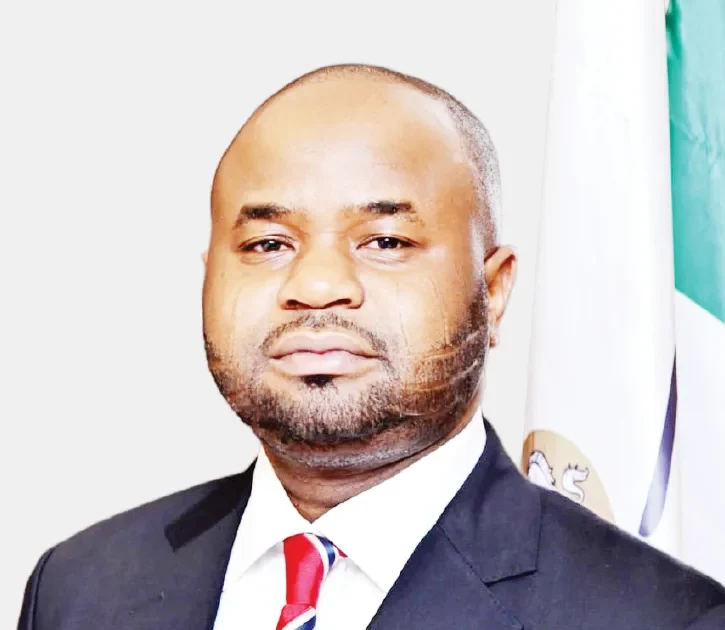
Dr. Zacch Adedeji, the Executive Chairman of the Nigeria Revenue Service (NRS), has led a significant transformation of Nigeria's revenue administration since assuming leadership in September 2023. Revenue figures show a substantial increase, with tax collections rising from N12.3 trillion in 2023 to N21 trillion in 2024 and N28.3 trillion in 2025, surpassing the year's target of N25.2 trillion. This momentum has continued into 2026, with N21.6 trillion generated in the first six months, representing a 49% increase compared to the corresponding period in 2025.
The transformation under Adedeji's leadership has not only resulted in increased revenue but also a fundamental change in how taxes are administered. Technology has been placed at the heart of the revenue system, moving the institution away from processes that depended heavily on paperwork and physical interaction. The launch of Rev360 in 2026 is a major expression of this transformation, providing taxpayers with a more integrated digital experience across key services and interactions with the revenue authority.
The policy reforms have provided the legal foundation for this transformation, with new tax laws taking effect in January 2026. The Nigeria Tax Act, Nigeria Tax Administration Act, Nigeria Revenue Service Establishment Act, and Joint Revenue Board of Nigeria Establishment Act collectively represent a major restructuring of the country's tax architecture. These reforms aim to simplify compliance, clarify responsibilities, and reduce duplication.
The institutional shift is captured in the transition from the Federal Inland Revenue Service (FIRS) to the Nigeria Revenue Service (NRS). The change reflects a broader approach to revenue mobilisation and administration, with a stronger emphasis on collaboration, data, and integration. Revenue collection increasingly requires agencies to work together rather than operate in silos, as seen in the National Single Window, which brings relevant agencies involved in trade processes into a more coordinated digital environment.
The improvement in staff allowances and welfare has also been an important part of the transformation, as a high-performing revenue service requires a motivated and properly equipped workforce. The deliberate infusion of young professionals into the Service has brought fresh energy, digital skills, and new ideas, strengthening the capacity of the NRS to deliver on its expanding mandate.
A significant physical symbol of the institutional transformation is the completion of the NRS headquarters building, which had remained uncompleted for over 20 years. In April 2026, President Bola Ahmed Tinubu inaugurated the 16-storey NRS headquarters, a modern facility designed to accommodate about 3,000 staff and equipped with a data processing centre, training facilities, an auditorium, a clinic, a library, and a gym.
The significance of these achievements becomes clearer when viewed together. The story is not just about a revenue authority collecting more money; it is about an institution being rebuilt around technology, stronger laws, better coordination, improved infrastructure, and a more modern understanding of the taxpayer. The more enduring dividend may be the systems being put in place to sustain that growth.
Key points
- Nigeria's revenue administration has undergone significant transformation under Dr. Zacch Adedeji's leadership.
- Revenue collections have risen dramatically, with tax collections increasing from N12.3 trillion in 2023 to N28.3 trillion in 2025.
- Technology has been placed at the heart of the revenue system, with the launch of Rev360 and a move towards electronic invoicing and digital fiscal systems.