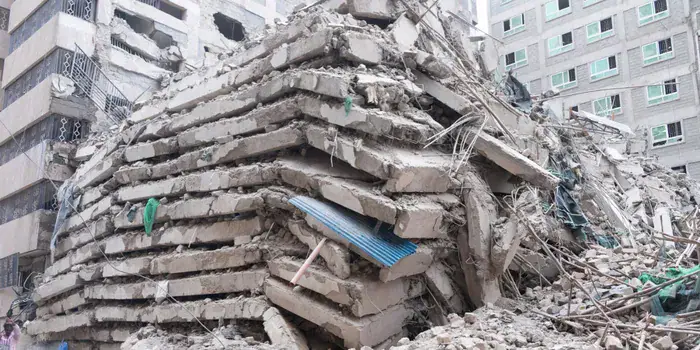
A crowd of rowdy youths descended on Nairobi County trucks transporting scrap metal recovered from the collapsed Eastleigh building on October 28. The youths attempted to collect pieces from the moving lorry, as video footage showed the lorry loaded with a large quantity of salvaged metal. This incident has drawn attention to the handling of materials recovered from disaster sites, as rescue operations remain ongoing and families await news of missing relatives.
The scrap metal holds commercial value, as dealers purchase it for recycling into manufacturing and construction, providing an income source for informal collectors. Collectors typically sell metal by weight, with higher prices fetched for copper, brass and aluminium compared with ordinary iron and steel. This has led to a scramble for the valuable materials, even as rescue teams work to find survivors.
Rescue teams detected two additional survivors beneath the rubble on October 27, using specialised equipment operated by Chinese experts. This raised hopes for further rescues, as teams have faced safety concerns over the unstable structure and the need to carefully remove debris to reach those trapped. The teams have been working carefully to avoid causing further harm to those still trapped.
Debris removal was temporarily halted on October 23 after trapped individuals reportedly warned that ongoing operations were affecting their oxygen supply. Large crowds gathered at the site, prompting police to disperse onlookers and clear access routes for emergency responders. The authorities have been working to balance the need for rescue operations with the need for public safety.
The recovery of material from disaster zones raises questions about authorization and handling procedures while rescue work is in progress. As of October 28, two people are still believed to be alive beneath the debris, and rescue teams continue their search for survivors. The incident has highlighted the challenges of managing disaster sites and the need for clear protocols.
The youths' actions have sparked concerns about the security and management of disaster sites. The incident has also raised questions about the economic incentives that drive the collection of scrap metal and the need for regulations to govern the industry. The authorities will need to consider these factors as they work to prevent similar incidents in the future.
The Eastleigh building collapse is a tragic event that has claimed several lives and displaced many more. As rescue efforts continue, the incident serves as a reminder of the importance of building safety and emergency preparedness. The government and other stakeholders will need to work together to prevent similar disasters and ensure that those affected receive the support they need.
Key points
- Youths scrambled for scrap metal from the collapsed Eastleigh building, highlighting concerns about the handling of materials recovered from disaster sites.
- Rescue teams continue to search for survivors, with two people still believed to be alive beneath the debris.
- The incident has raised questions about authorization, handling procedures, and regulations governing the collection of scrap metal from disaster zones.