Nigeria is grappling with the challenge of youth involvement in politics, particularly in the lead-up to the 2027 elections. The country's democratic system is threatened by the increasing trend of politicians using young people for violent and intimidating activities against opponents. This phenomenon has raised concerns about the impact on the nation's stability and the well-being of its youth. With over 60-70% of Nigeria's population consisting of young people, the issue has become a pressing concern.
According to recent reports, Nigeria has one of the highest youth populations in the world, with over 230 million people under the age of 30. However, the country also faces a significant challenge of unemployment, with many young people struggling to find work. This has led to a rise in youth involvement in politics, often as a means of survival rather than a genuine interest in governance. The situation is further exacerbated by the fact that many young people are being used by politicians for their own gain.
A 2025 report revealed that approximately 80 million young people in Nigeria are unemployed, accounting for 53% of the country's youth population. This staggering statistic highlights the severity of the unemployment crisis in Nigeria, which is the highest in Africa. The lack of job opportunities has driven many young people to seek alternative means of survival, including involvement in politics. However, this has also made them vulnerable to exploitation by politicians.
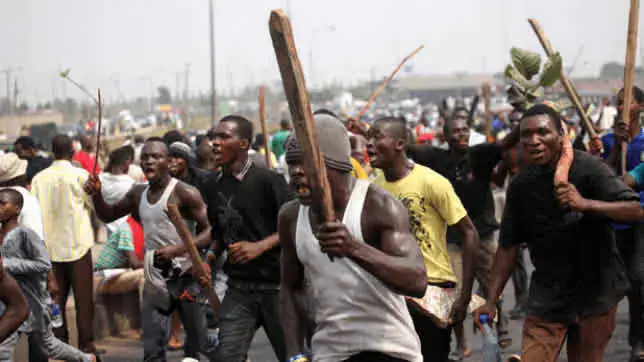
The use of young people in politics has led to a rise in violent and intimidating activities, including thuggery and attacks on opponents. This has created a toxic environment, where young people are often used as tools for politicians to achieve their goals. The situation is further complicated by the fact that many young people are being lured into politics with promises of money and other benefits, rather than a genuine desire to participate in the democratic process.
As Nigeria prepares for the 2027 elections, there are concerns that the trend of youth involvement in politics will continue to escalate. Politicians are already using young people to intimidate opponents and disrupt political gatherings. This has raised concerns about the potential for violence and instability during the election period. The government and other stakeholders must take urgent action to address the root causes of youth unemployment and prevent the exploitation of young people in politics.
The involvement of young people in politics has also led to a decline in their moral values and a rise in anti-social behavior. Many young people are being used as thugs and are involved in violent activities, which has a negative impact on their well-being and future prospects. The situation is further complicated by the fact that many politicians are using young people to further their own interests, rather than working to address the underlying issues affecting the country.
To address the challenge of youth involvement in politics, stakeholders must work together to provide job opportunities and skills training for young people. This will help to reduce unemployment and prevent the exploitation of young people in politics. Additionally, there is a need for greater transparency and accountability in the political process, to prevent politicians from using young people for their own gain. Ultimately, the future of Nigeria's democracy depends on the ability of its leaders to address the challenges facing its youth population.
Key points
- Youth unemployment is a major driver of their involvement in politics in Nigeria.