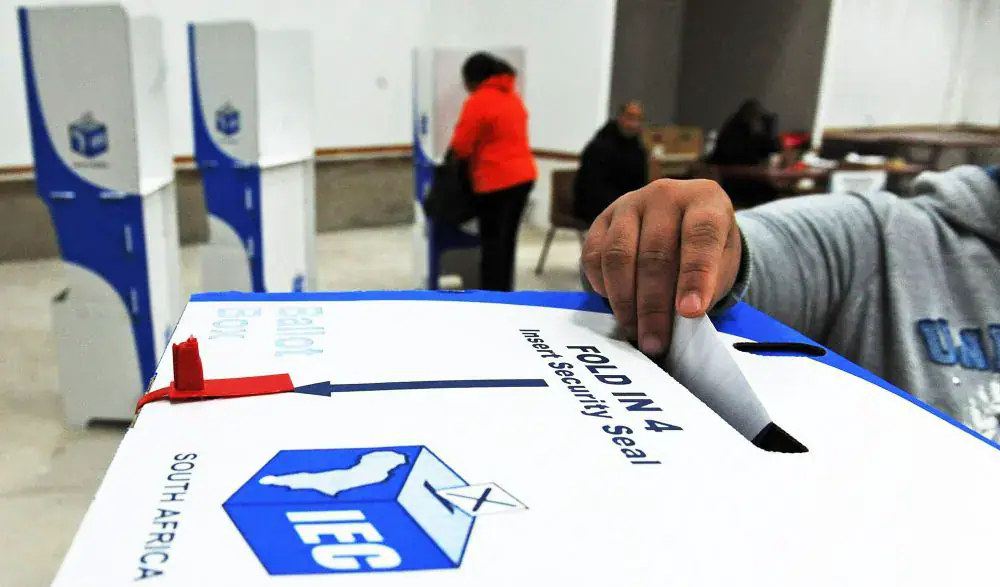
On November 4, voting stations in Rocklands, Westridge, and Tafelsig in Mitchells Plain reported a noticeable absence of young voters in the morning hours until midday. This trend raised concerns about growing political disillusionment among South Africa's youth. Residents and political representatives expressed worries that young people may be losing faith in the ability of their votes to bring meaningful change.
Conversations with residents suggest that frustration over unemployment, inequality, and unfulfilled election promises may be contributing to the reluctance of young people to vote. Many young South Africans, such as Marunay Mettler, expressed disappointment in the political system, citing empty promises and a lack of equal opportunities. Mettler stated that she had lost trust in the system, which she believes has failed to deliver on its promises.
Mettler's frustration extends beyond politics to the challenges of finding equal opportunities in South Africa. She feels that as a person of colour, she often has to work twice as hard to prove herself, and that her qualifications and experience are sometimes overlooked due to her racial background. This sentiment is shared by others, who question whether promises of equality and fairness have translated into reality.
Damian Atties shared similar sentiments, stating that he had previously voted in the hope of seeing change but had become disillusioned with the system. He believes that politicians are only visible during election campaigns and then disappear once votes have been secured. Atties questioned the point of voting, citing a lack of trustworthy politicians.
However, not everyone agrees that withdrawing from the democratic process is the solution. Mervyn Jacobs stated that while he understands why young people are becoming increasingly despondent, he believes that the youth need to take a stand and speak up for change. Jacobs emphasized the importance of making their mark on the ballot paper, particularly when decisions taken by elected leaders directly affect their futures.
In contrast, Richard Jaftha, who brought his young son to the voting station, expressed positivity about the voting process. He hopes that the experience will introduce the next generation to the importance of participating in elections. Jaftha believes that young people should come out and vote to make a difference, particularly on issues such as the cost of living.
Jaftha's son was still too young to understand the significance of election day, but he had insisted on accompanying his father to the voting station. For Jaftha, the outing was an opportunity to expose his son to the voting process, with the hope that he would understand its significance when he was old enough to cast his own ballot.
Key points
- Frustration over unemployment, inequality, and unfulfilled election promises may be contributing to the reluctance of young people to vote.
- Many young South Africans feel that the political system has failed to deliver on its promises, leading to growing disillusionment.
- Despite concerns about youth disillusionment, some residents believe that young people need to take a stand and speak up for change through the democratic process.