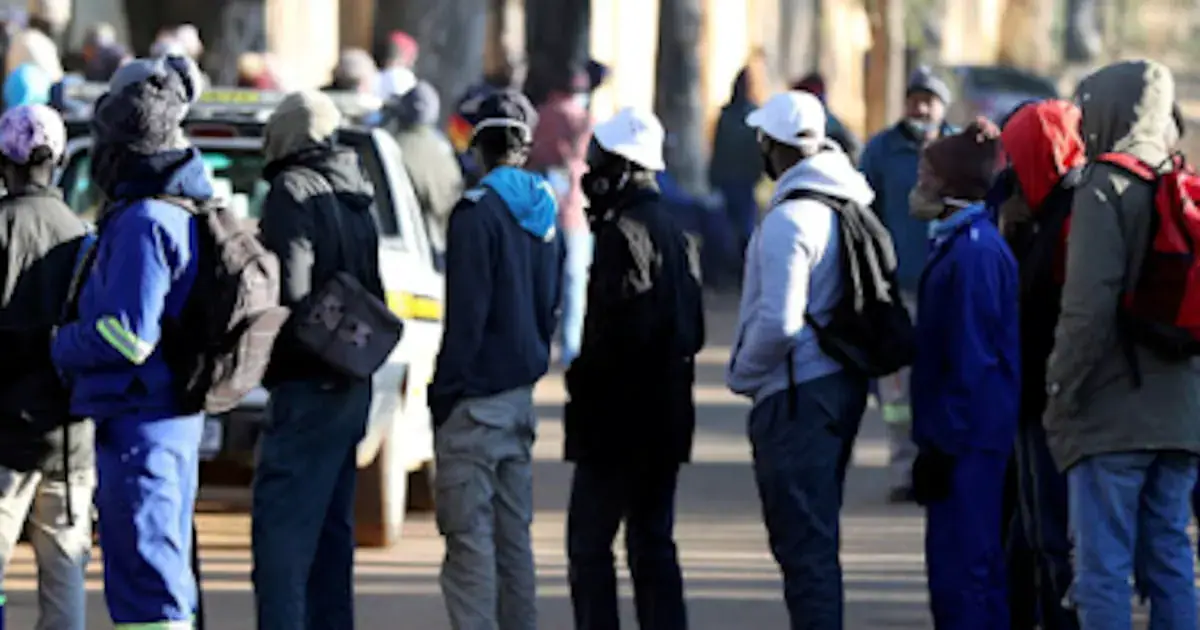
As Mental Health Awareness Month comes to a close, the conversation turns to the plight of young South Africans and the distress caused by social and economic conditions. Many young people face rejection, poverty, and unemployment, leading to feelings of worthlessness and frustration. The advice to "keep trying" and "think positively" often falls flat when faced with the harsh realities of poverty and lack of opportunities.
In South Africa, over 3.5 million young people aged 15 to 24 are not in employment, education, or training, a group known as NEET. This acronym belies the daily struggles of young people who watch their peers succeed while they remain at home, financially dependent on struggling families. The experience of sending out job applications with no response, asking for money from family, and wondering where the next opportunity will come from can be overwhelming.
Research by the Southern Africa Labour and Development Research Unit at the University of Cape Town found that young people who remain outside employment, education, and training are six percentage points more likely to be depressed than their peers. They are also eight percentage points more likely to report being less happy than they were a decade earlier. The study highlights the complex relationship between youth unemployment and mental health.
The study developed a multidimensional vulnerability index and found that poor mental health contributes approximately 16% to vulnerability. Furthermore, multidimensional vulnerability predicts later NEET status. This challenges the common narrative that unemployment is primarily a matter of skills or qualifications, and that mental health is an individual problem that can be addressed through therapy and self-care.
The consequences of economic exclusion extend beyond an empty CV or untranslated qualifications, affecting a young person's confidence, relationships, sense of purpose, and belief in their own future. Opportunities matter, but so does the emotional and social support that helps people reach them and navigate setbacks. Practical, community-based support can help young people break the cycle of poverty and unemployment.
The Basic Package of Support, implemented by Saldru and the University of Johannesburg's Centre for Social Development in Africa, provides peer mobilisers and youth coaches to work with participants. The programme connects young people to opportunities and services, including education, learnerships, and psychosocial support. Since 2021, over 5,000 young people have enrolled in the programme across Atlantis, Cato Manor, and Orange Farm.
The need for this kind of support was evident during the 2022-23 pilot, when nearly three-quarters of participants reported moderate or high psychological distress at intake, and almost four in ten screened positive for a possible anxiety disorder. After just three coaching sessions, the proportion screening positive for a possible anxiety disorder decreased, highlighting the potential for practical, community-based support to make a positive impact.
Key points
- The mental health of young South Africans is closely tied to poverty and unemployment.
- Over 3.5 million young people aged 15 to 24 are not in employment, education, or training.
- Practical, community-based support can help young people break the cycle of poverty and unemployment.