A recent surge in violence in Greater Tonj, South Sudan, has left the area reeling, with 72 reported deaths and 38 injuries on October 26. The violence has also displaced thousands of families, who have been forced to flee their homes and seek shelter elsewhere. Amang Deng, a women's representative in Akop, described the situation on the ground, saying that almost every young person in the area is now carrying a gun. This proliferation of weapons has contributed to a cycle of violence that has plagued the community for generations.
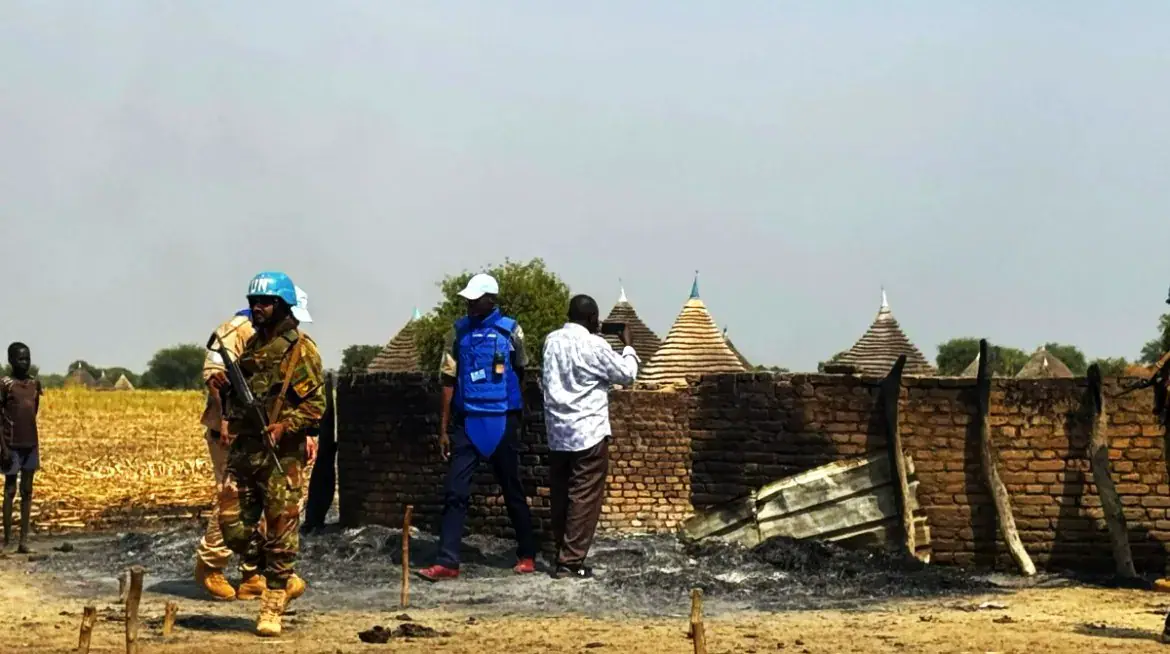
The United Nations Mission in South Sudan (UNMISS) has rapidly deployed patrols to Tonj North in response to the violence. UN Police Officer Vildana Sedo explained that the mission is working to provide a police presence that the community can trust and rely on. The goal is to help translate immediate protection into sustainable security infrastructure, working alongside the government and national police forces. This deployment aims to address the serious protection issues faced by the affected communities.
The impact of the violence on local communities has been devastating. Fatima, a mother of twins, lost her husband and brother-in-law during the recent attacks. She described the pain of losing her loved ones and the struggle to care for her children without support. Her experience reflects the hardship many families are facing, with over 12,000 households displaced and seeking shelter in schools, under trees, and in neighboring communities.
The humanitarian challenges facing the affected communities are immense. The lack of rainfall this year has strained already minimal water supplies in Akop, with only one water point now serving both host community and displaced families. This has created a significant trigger point for new possible tensions. Additionally, the breakdown of medical infrastructure has left injured and pregnant women without access to urgent care.
Authorities, humanitarian partners, and UNMISS are working together to assess the situation and find solutions to deter possible retaliatory attacks. UNMISS Civil Affairs Officer Adewuyi Adewumi emphasized the importance of dialogue in preventing violence, particularly after an attack like the one in Greater Tonj. Bringing community leaders, women, youth, and local authorities together is essential to address grievances and support mediation.
The priority for the people of Greater Tonj is clear – to support each other and find ways to break the violent cycles that have cost them homes and loved ones. UNMISS will continue to work alongside the community, providing protection and building peace. The mission aims to ensure that no one is left behind, working to address the root causes of the violence and support sustainable security infrastructure.
The Tonj North Relief and Rehabilitation Commission estimates that over 12,000 households were displaced, with many still unsure of when it will be safe to return home. As the situation continues to unfold, the international community will be watching closely, hoping that the cycle of violence can be broken and peace restored to the region.
Key points
- Almost every young person in South Sudan's Greater Tonj is now carrying a gun, fuelling a cycle of violence that has cost thousands of lives and displaced many more.
- The United Nations Mission in South Sudan (UNMISS) has rapidly deployed patrols to Tonj North in response to the violence, aiming to provide a police presence that the community can trust.
- The humanitarian challenges facing the affected communities are immense, with over 12,000 households displaced and struggling to access basic necessities like water and medical care.