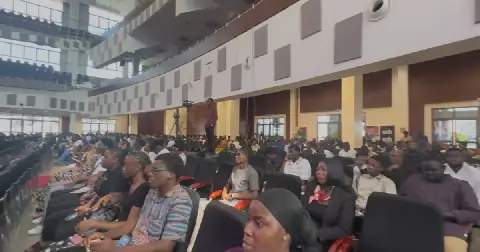
Young people in Kenya are struggling to access essential healthcare and sexual and reproductive health services, despite constitutional guarantees on the right to healthcare. Human rights defenders and university students are calling for stronger accountability within the health system to address the challenges faced by young people and other vulnerable groups. The concerns were raised during discussions at the University of Nairobi, where participants examined the obstacles young people encounter when seeking healthcare.
A theatre performance by university students highlighted the experiences of young people navigating gaps in the healthcare system. The play was inspired by a landmark court case involving a teenage girl who sought emergency medical treatment but was allegedly denied care despite suffering complications. The performance portrayed the consequences of delayed or denied healthcare and the difficult decisions young people may face when seeking services.
The discussions emphasized the importance of ensuring that healthcare services are accessible, responsive, and respectful, particularly when young people seek sensitive services. Stakeholders called for greater public awareness, accountability, and engagement to bridge the gap between constitutional guarantees and patients' experiences. Article 43 of the Constitution guarantees every person the right to the highest attainable standard of health, including reproductive healthcare.
Human rights defender Wangari Ireri stressed that access to accurate information is critical in enabling young people to make informed decisions about their health. She said greater awareness of health rights could help young people seek services and hold institutions accountable when their rights are violated. Ethan Kinyua, a student and director of the play, said the issues explored in the performance were closely linked to rights protected under Chapter Four of the Constitution.
Participants cited gaps in awareness, access to information, and accountability as barriers preventing young people from fully exercising their health rights. They emphasized that legal protections alone are not enough to guarantee access to healthcare. The discussions also highlighted the importance of ensuring that healthcare services are accessible, responsive, and respectful, particularly when young people seek sensitive services.
The University of Nairobi discussions were part of a broader effort to address the challenges faced by young people in accessing essential healthcare. Stakeholders are calling for greater public awareness, accountability, and engagement to bridge the gap between constitutional guarantees and patients' experiences. The issue is critical, given that young people continue to face barriers in accessing essential healthcare and sexual and reproductive health services.
The concerns raised during the discussions are part of a larger conversation about healthcare in Kenya. Recent articles have highlighted the clinical officers' strike in 15 counties over CBA, free heart surgery at KNH as global medical professionals collaborate with regional physicians, and the silent pandemic of mental health crisis among police officers and frontline workers.
Key points
- Young people in Kenya face challenges in accessing essential healthcare despite constitutional guarantees on the right to healthcare.
- Gaps in awareness, access to information, and accountability are barriers preventing young people from fully exercising their health rights.
- Stakeholders are calling for greater public awareness, accountability, and engagement to bridge the gap between constitutional guarantees and patients' experiences.