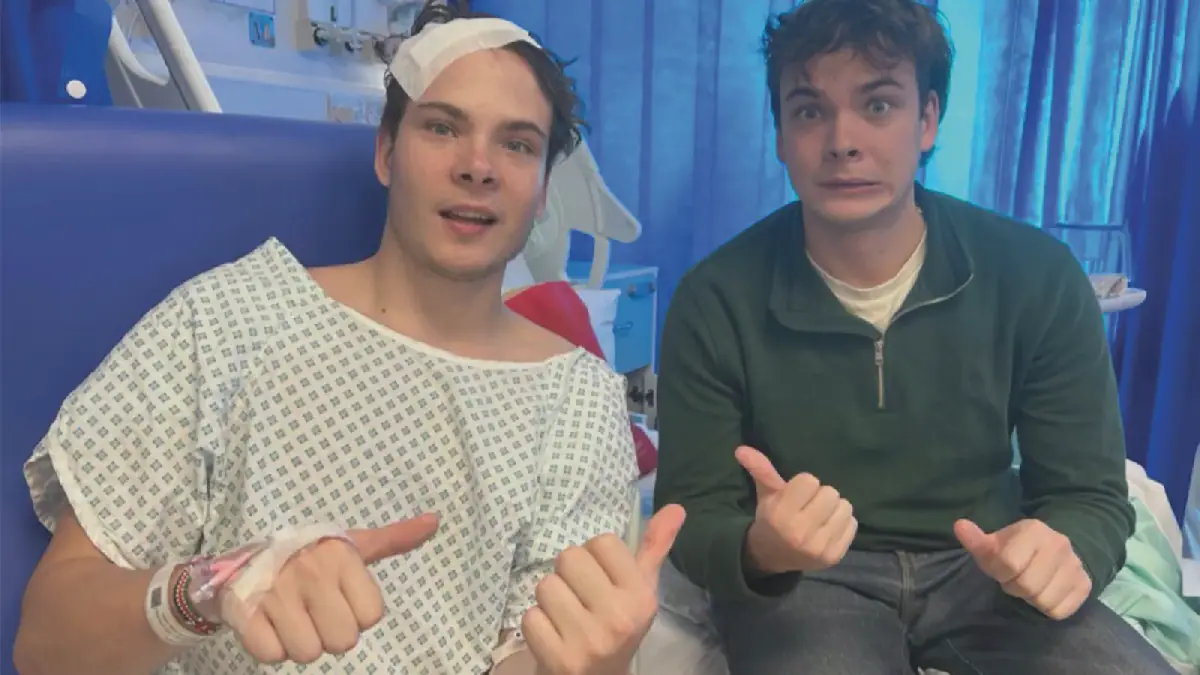
Cal Petrie, a 23-year-old from Surrey, was diagnosed with a rare and aggressive form of brain cancer called pineoblastoma. His symptoms began with persistent headaches, which he initially attributed to migraines or dehydration. However, as the headaches worsened, Petrie visited the Accident and Emergency (A&E) department, where he was initially told it was likely a migraine. A CT scan revealed fluid on his brain, and he was transferred to a specialist neurological department for further treatment.
Petrie's treatment involved a two-hour procedure to drain fluid from his brain, during which a biopsy was taken. He was discharged two days later, only to receive news that his biopsy results showed a more serious condition. His father, actor Alistair Petrie, played a crucial role in supporting his son throughout the diagnosis and treatment process. Alistair described the experience as "absolutely killer" due to the uncertainty surrounding the diagnosis.
Pineoblastoma is a rare and aggressive form of brain cancer, more commonly found in babies and young children. There are only around 100 reported cases in the UK. Petrie's diagnosis has sparked advocacy for more research into brain cancer in young people. He notes that more children and young adults under 40 die from brain tumors than any other form of cancer, yet it is relatively under-researched.
Petrie's treatment is scheduled to end in mid-December, marking the end of a traumatic and unexpected year. Throughout his journey, he has displayed remarkable empathy, often expressing concern for his family. His father, Alistair, set up a "brains trust" to get second opinions from brain surgeon friends-of-friends, highlighting the importance of seeking multiple perspectives in such situations.
The UK government has promised action to support people living with brain tumors, which is good news for individuals like Petrie. He is advocating for more funding to research brain tumors in young people, emphasizing the need for increased awareness and understanding of this condition. Petrie's experience has also underscored the importance of a supportive network, including his family and medical team.
Petrie's surgeon, Arthur Dalton, was praised for his bedside manner and gracious communication style. Petrie's family appreciated his approach, which helped them navigate the complex and uncertain diagnosis process. As Petrie continues his recovery, he hopes to raise awareness about brain cancer in young people and push for more research into this relatively under-researched area.
The Petrie family's experience highlights the challenges and complexities of dealing with a rare and aggressive form of brain cancer. Cal Petrie's advocacy for more research into brain tumors in young people is a testament to his resilience and determination. As he looks to the future, Petrie hopes that his story will contribute to a greater understanding of this condition and ultimately lead to improved support and treatment options for those affected.
Key points
- More children and young adults under 40 die from brain tumors than any other form of cancer, yet it is relatively under-researched.