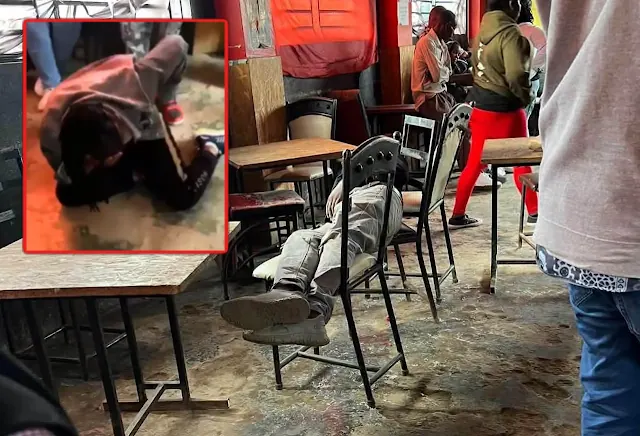
A tragic incident occurred in Kahawa Sukari, Nairobi, Kenya, on September 24, 2026, when a 26-year-old man lost his life after consuming liquor suspected to be counterfeit at Club Legunas. According to reports, the deceased had been drinking at the club before becoming heavily intoxicated. He then lay down to sleep, unknowingly never to wake up. The incident has raised concerns about the availability of counterfeit liquor in the market.
The deceased's sister was called to the club and found her brother's lifeless body. She was overwhelmed by emotions upon seeing her brother in such a state. The incident has left the community in shock, with many expressing their condolences to the family. The police are yet to comment on the incident, but it is believed that an investigation is underway to determine the cause of death and the source of the suspected counterfeit liquor.
This incident comes amid concerns over the availability of counterfeit liquor in Kenya, which has led to the loss of many lives. The government has been urged to take action to curb the sale of counterfeit liquor, but the problem persists. The Kenya Revenue Authority and the National Police Service have been working together to crack down on the sale of counterfeit liquor, but more needs to be done to address the issue.
The rise of counterfeit liquor in Kenya has been attributed to the high demand for cheap liquor and the lack of effective regulation. Many Kenyans are struggling to make ends meet, and the temptation to buy cheap liquor is high. However, the consequences of consuming counterfeit liquor can be deadly. The government needs to find a way to address the root causes of the problem and ensure that Kenyans have access to affordable, safe liquor.
The incident in Kahawa Sukari has sparked a renewed debate about the need for stricter regulations on the sale of liquor in Kenya. Some have called for the government to increase taxes on liquor to make it more expensive and less accessible to young people. Others have suggested that the government should provide more support to local breweries and distilleries to encourage the production of affordable, safe liquor.
The police have urged the public to be cautious when consuming liquor and to be aware of the risks associated with counterfeit liquor. They have also encouraged people to report any suspicious activity related to the sale of liquor. The community in Kahawa Sukari is coming together to support the family of the deceased, and a fundraising campaign has been set up to help with funeral expenses.
The incident serves as a reminder of the dangers of consuming counterfeit liquor and the need for vigilance. Kenyans are urged to be cautious and to prioritize their health and safety. The government and other stakeholders must work together to address the issue of counterfeit liquor and ensure that Kenyans have access to safe and affordable liquor.
Key points
- A 26-year-old man died after consuming suspected counterfeit liquor at a club in Kahawa Sukari, Nairobi, Kenya.