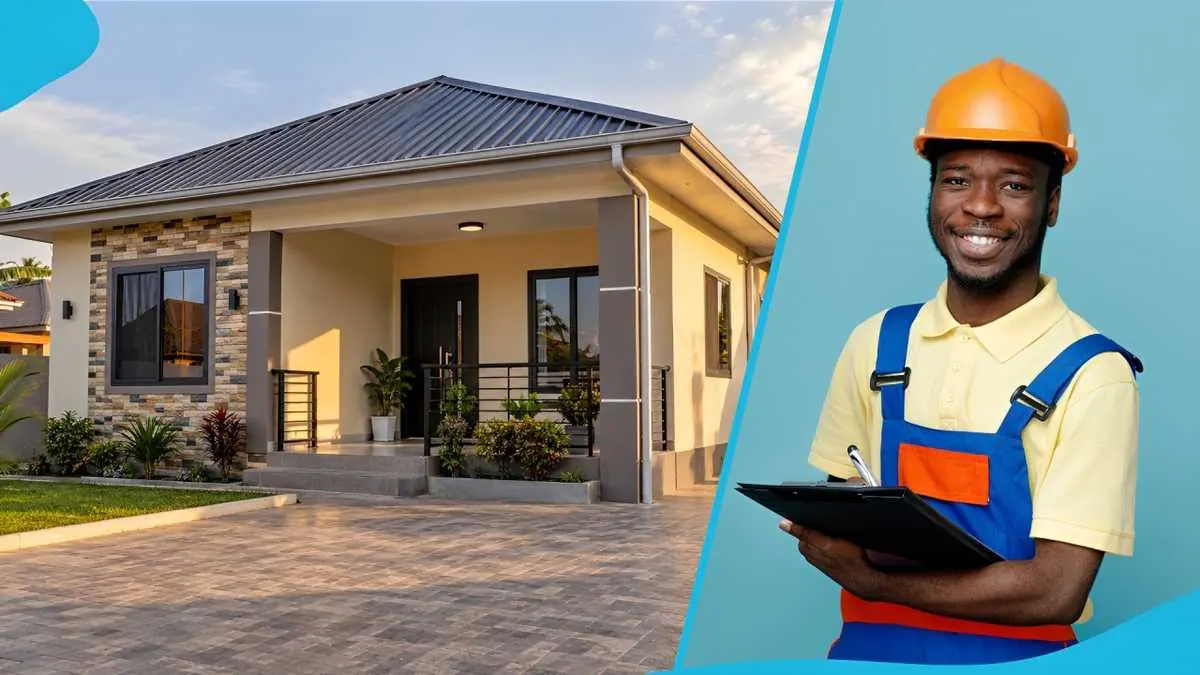
A recent financial roadmap outlined by Yen suggests that young Ghanaian workers can own a home before hitting their mid-thirties. The plan involves saving steadily and building in stages. A compact two-bedroom starter home costs between GH¢400,000 and GH¢550,000. Construction costs range from GH¢2,500 to GH¢6,000 per square meter, depending on design, location, and finishing materials. This structured approach breaks down the journey into manageable stages.
The 10-year plan is divided into four stages, tied to different periods in a worker's twenties and thirties. In the first stage, from ages 25 to 27, a worker could save GH¢1,500 monthly, accumulating GH¢54,000 over three years. Additional income from bonuses and side jobs could increase this amount to GH¢70,000. This sum can be used to buy and document land in a developing community. Yen emphasizes the importance of conducting an official land search and involving a qualified surveyor and lawyer.
In the second stage, from ages 28 to 30, the monthly contribution would rise to GH¢2,500, yielding GH¢90,000 over three years. This amount can cover the building plan, permits, site preparation, and part of the foundation. The plan allows for increased contributions as income grows. By stage three, from ages 31 to 33, contributions would climb to GH¢3,500 a month, producing GH¢126,000. This fund would cover blockwork, concrete work, and roofing.
In the final stage, from ages 34 to 35, a monthly contribution of GH¢5,000 would generate GH¢120,000. This amount would be directed towards finishing touches such as plastering, electrical wiring, plumbing, doors, windows, flooring, and basic fittings. The total savings over 10 years would be approximately GH¢390,000. This figure does not include bonuses, investment returns, or other side income that could help absorb inflation and unexpected construction costs.
The plan's practical implications are significant for Ghanaian workers facing rising building-material and labor costs. Homeownership is achievable without waiting for a windfall or inheritance. The Ghana Statistical Service tracks changes in building-material and labor costs, so the budget must be reviewed periodically. The approach favors a modest, expandable starter home as a realistic first step onto the property ladder.
The sources do not provide a specific policy timeline or government intervention tied to this savings model. It remains a personal financial roadmap rather than an official program. Previously, Yen reported that building a basic single room with a small porch could cost between GH¢45,000 and GH¢70,000 in 2026. This highlights how costs escalate quickly with additional features.
The takeaway for young earners is one of discipline and patience. Increasing monthly savings in step with salary growth and building a home block by block is a viable strategy. This approach allows young Ghanaians to achieve homeownership within a decade. The plan's success depends on consistent savings and adapting to changes in construction costs over time.
Key points
- A structured savings plan allows young Ghanaians to own a home in 10 years.
- The plan involves saving steadily and building in stages, starting with a monthly savings of GH¢1,500.
- The approach favors a modest, expandable starter home as a realistic first step onto the property ladder.