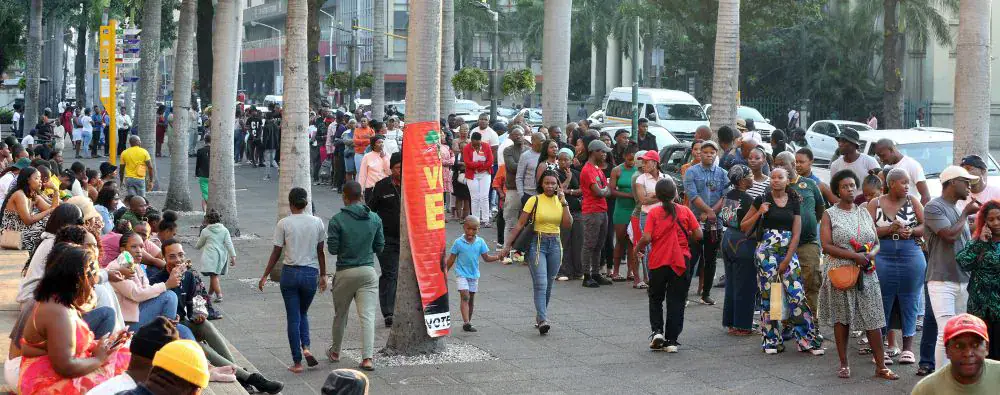
Today, South Africans head to the polls for the local government elections, a pivotal moment for renewal in the country's democratic process. As voters cast their ballots, they have the opportunity to strengthen the constitutional democracy by fulfilling their civic duty. However, the election campaigns have negatively altered public perception, shifting the focus from public discourse about choosing representatives to a transaction between voters and candidates.
The campaigns have been criticised for lacking substantive policies addressing pressing issues, with many promises being generic rather than part of a cohesive strategy to enhance local development. Despite this, it is essential to encourage undecided voters to participate in the democratic process. Many young people are navigating an increasingly uncertain future, facing distinct pressures such as climate change, mental health concerns, and economic insecurity.
Undecided voters, particularly young people, could influence coalition outcomes in the local government elections. According to the latest polls, no single party is assured of a clear majority in most municipalities, making every vote crucial in shaping the next government's aims and plans. The polls also highlight the significance of undecided voters, who may not be swayed by a final recollection of coalition municipalities' poor achievements or the performance of small parties and independents.
Young people make up the majority of undecided voters, partly due to the uncertain future they face. The cycle of intergenerational injustice must be acknowledged and addressed through active voter participation. Many believe that decisions affecting young people's futures are often made without their meaningful involvement or consideration of their needs, evident in the lack of convincing consideration in election promises and the low placement of young candidates on party election lists.
Economic concerns add another layer of pressure for young people, with rising living costs, high tertiary education expenses, and uncertainty about future employment ranking among their greatest worries. These concerns contribute to feelings of anxiety, worry, sadness, anger, and helplessness about making political choices in these elections and the future. Despite these challenges, it would be incorrect to portray undecided voters as a multigenerational group defined solely by anxiety or pessimism.
Protests over poor delivery of basic services, hunger, poverty, and chronic unemployment express frustration but also show agency and a desire to shape decisions about the future. This must be harnessed by actively participating in these elections. Each voter, regardless of age, must make their mark to show they are not passive recipients of social pressure but can organise, question existing arrangements, and seek alternatives through the ballot.
The difficulties each voter faces are not entirely new, but what makes each voter's experience distinctive is the combination of pressures and the uncertainty surrounding the transition from one administration to another. Rather than asking whether citizens have it harder than previous generations, productive questions can be asked and answered through deliberate voting: what kind of society are voters asking to navigate collective challenges and shape their futures?
Key points
- Undecided and young voters may influence coalition outcomes in South Africa's local government elections.
- Young people face distinct pressures such as climate change, mental health concerns, and economic insecurity.
- Active voter participation can help address the cycle of intergenerational injustice faced by young people.