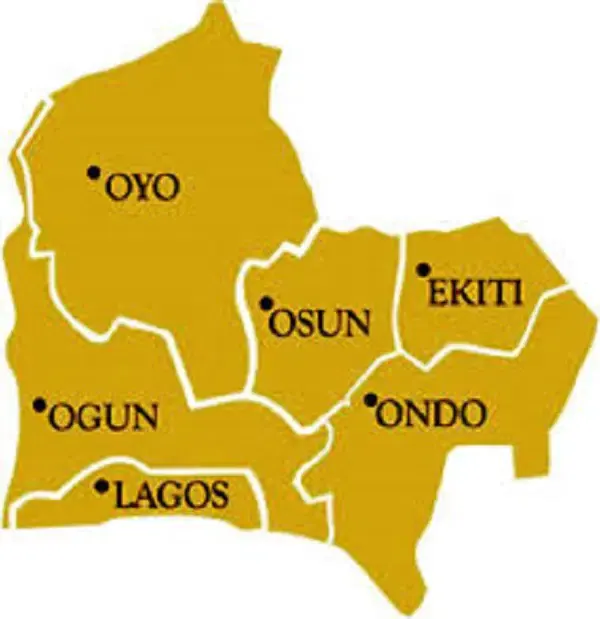
A Yoruba self-determination group, Awujo Omoluwabi, has rejected calls for a return to regional government in Nigeria. Instead, the group insists that only an independent Yoruba nation can satisfy the political, security, and developmental aspirations of the Yoruba people. This stance was made clear in a statement signed by the group's National General Secretary, Taiwo Odumosu, and National Organising Secretary, Prof. Olakunle Folami, on September 9, 2026.
The group acknowledged the achievements of the defunct Western Region, including free primary education, agricultural and industrial development, and the establishment of public institutions. However, they argue that these accomplishments should not be seen as evidence that regionalism provided sovereignty. The regions of the First Republic had substantial autonomy but remained within a federation with key responsibilities assigned to the centre.
Awujo Omoluwabi cited the 1962 declaration of a state of emergency in the Western Region as an example of federal authority intervention in regional affairs during a political crisis. This historical context supports their argument that restoring regional governments with overriding federal authority would not resolve issues surrounding identity, security, resource control, and political self-determination.
The group declared its support for an independent Yoruba nation, emphasizing that sovereignty would enable the Yoruba to determine their constitutional arrangements, economic priorities, security institutions, and resource management. They stressed that their campaign is not directed against other ethnic or religious groups and rejected violence as a means of achieving their objective.
Awujo Omoluwabi called on Yoruba traditional institutions, professional bodies, intellectuals, workers, students, market associations, religious leaders, community organisations, and diaspora members to participate in discussions on the proposed Yoruba nation. They urged advocates of regionalism not to suggest that their proposal has the consent of every ethnic nationality, emphasizing that the Yoruba people's political future should be determined through their freely expressed wishes.
The group reiterated its opposition to violence and ethnic hatred, stating that its campaign will pursue peaceful self-determination and democratic consultation for an independent Yoruba nation. This approach aims to ensure that the people's aspirations are met through consent, negotiation, constitutional dialogue, and an orderly democratic process.
The rejection of regionalism and the demand for an independent Yoruba nation by Awujo Omoluwabi has significant implications for Nigeria's political landscape. As the group continues to advocate for its cause, it remains to be seen how this will affect the country's future and the relationships between different ethnic nationalities.
Key points
- Awujo Omoluwabi rejects regionalism in favour of an independent Yoruba nation.
- The group cites historical context and current limitations of regionalism as reasons for its stance.
- Awujo Omoluwabi advocates for peaceful self-determination and democratic consultation to achieve its objective.