The advisor to the Yemeni Defense Minister, Colonel Mohamed Al-Kamim, stated that the Houthi militia is aware that the Yemeni people will not accept the current situation, where the country remains a hostage to the Iranian project and a threat to neighboring countries and the region. In a phone interview with Egyptian TV host Dama Al-Kurdi, Al-Kamim said the Houthis are isolated in areas under their control, despite their efforts to mobilize support for their cause.
Al-Kamim revealed that there is significant discontent within the popular circles in Sana'a and a widespread rejection of the Houthi project in Yemen. He emphasized that the invitation by the President of the Leadership Council to lay down arms and join the Yemeni armed forces and the legitimate authority came at an appropriate time. According to Al-Kamim, this call requires preparing the necessary environment to receive those willing to join the armed forces or the legitimate authority.
The Yemeni Defense Minister's advisor expressed his belief that a military move to liberate Yemeni areas will encourage people to adhere to the President's directives, whether regarding joining or not engaging with militias. He added that the Houthis face a real dilemma after this call and expressed hope for an improvement in the situation in the coming weeks. Al-Kamim also discussed the potential for the Yemeni armed forces to regain control of Sana'a and the impact on the Bab al-Mandab Strait.
Al-Kamim stated that the battle to regain control of the capital is the decisive and main battle that the Yemeni armed forces have been working towards for a long time. He noted that the forces have become close to this battle, especially with the call to general mobilization and the rallying of forces with the Yemeni armed forces. This call, according to Al-Kamim, has received a significant response, with a popular presence at the field level and alignment at the state level and the popular base supporting the forces.
The advisor to the Yemeni Defense Minister pointed to a societal alignment around the armed forces, particularly in the fronts of Taiz and Marib, in addition to the call for a general amnesty. He confirmed that the overall conditions in the war theater and combat operations are conducive to the Yemeni armed forces and the Yemeni people regaining the state and its institutions and ending Houthi control.
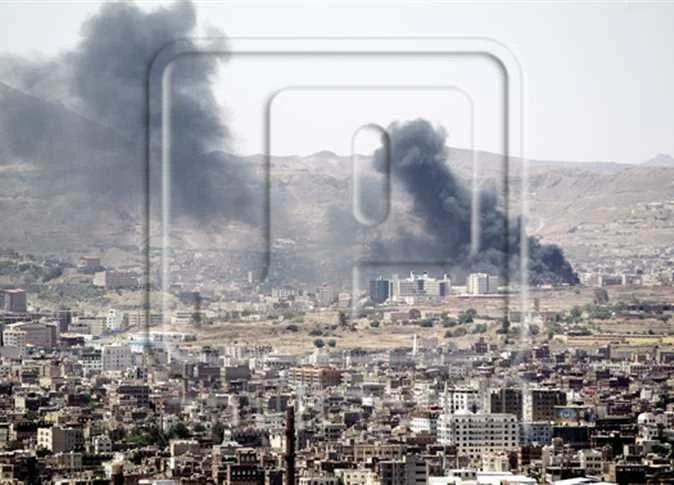
Al-Kamim's statements come amid rising tensions in Yemen, where the Houthi militia has been controlling large areas, including Sana'a, since 2014. The conflict has resulted in significant humanitarian and economic crises, with millions of Yemenis displaced and facing food and water shortages. The Yemeni government, backed by Saudi Arabia and other international allies, has been fighting to regain control of the country.
The international community has been calling for a peaceful resolution to the conflict, with the United Nations launching several initiatives to broker a ceasefire and negotiations between the warring parties. However, a lasting solution remains elusive, and the situation on the ground continues to deteriorate. Al-Kamim's comments reflect the growing military and popular pressure on the Houthi militia and the Yemeni government's determination to regain control of the country.
Key points
- Growing discontent among Houthi-controlled areas.
- Yemeni Defense Minister's advisor hopeful for improvement in situation.
- Battle for Sana'a control a decisive and main battle for Yemeni forces.