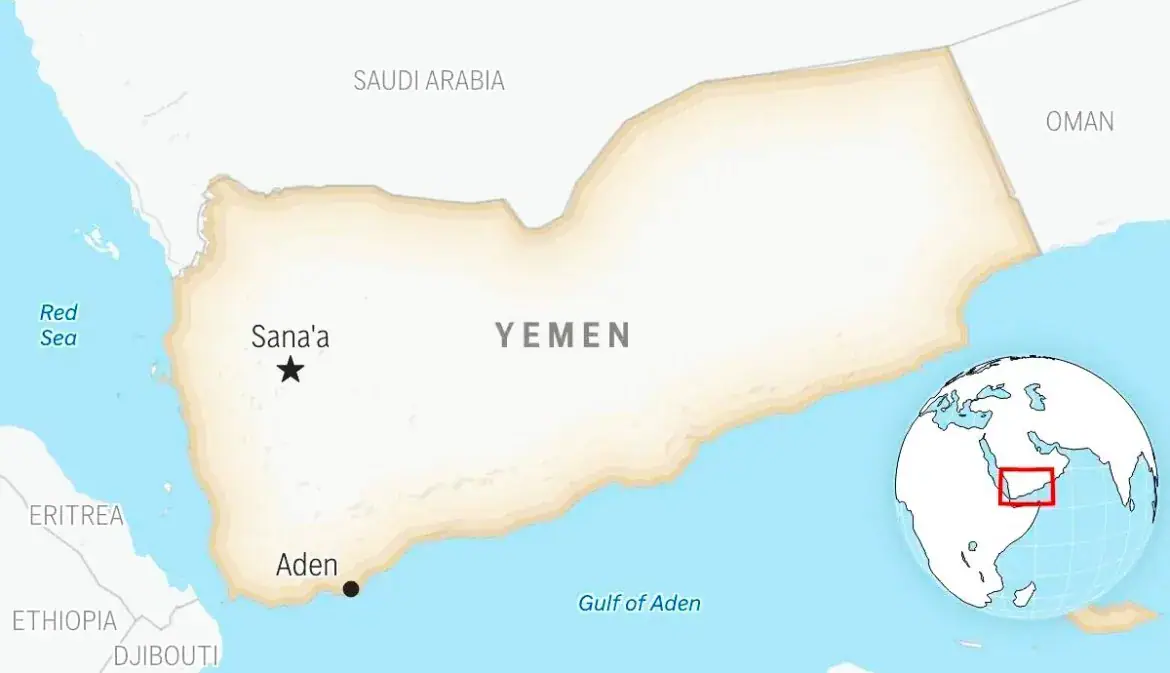
The ongoing conflict in Yemen has led to a significant increase in casualties, with the Health Emergency Operation Centre (HEOC) registering 9,730 cases, including 7,959 injuries and 1,771 deaths, as of October 30. This represents an increase of 658 casualties in just five days, with an average of around 132 casualties per day, up from 93 in the previous report. The recent surge in violence has been particularly pronounced in Lahj, which accounted for 309 casualties, or 43 percent of the total.
The province of Marib has reported the highest number of deaths, with 36 fatalities among 172 casualties, representing 21 percent of the total. On October 30 alone, Marib reported 117 casualties, including 20 deaths, from the Al-Jubah, Harib, and Al-Jawf front. The escalating violence has also led to a significant increase in displacement, with over 300,000 people displaced, according to the International Organization for Migration (IOM). This represents a substantial increase in just two months.
The humanitarian situation in Yemen continues to deteriorate, with essential services, particularly on the West Coast, facing significant challenges. In Al-Waziyah, all three partner-supported facilities are non-functional, and service data from Dhubab could not be collected due to access constraints. Furthermore, prices of essential items in Taiz city have risen three- to fivefold, exacerbating the already dire situation for displaced persons.
The displacement crisis continues to worsen, with over 43,000 people fleeing Al-Madaribah wa Al-Arah (Lahj) since early October. Aden now hosts more than 56,000 displaced individuals, and new IDP sites are opening without proper site management. According to the CCCM October master list, 28 new or reopened sites are hosting 21,273 people, but none have been covered by a CCCM partner.
The provision of essential services, particularly healthcare, remains inadequate, with the World Health Organization (WHO) funding only nine mobile circuits against a planned range of 30-40. Additionally, four fixed Emergency Medical Technician (EMT) Type 1 sites are operational, against a target of 25-35. Interagency coordination with the Executive Unit for Internally Displaced Persons is necessary to establish gathering points and plan services.
The cholera outbreak continues to decline, but vigilance is still required, particularly in the five most-affected governorates. WHO has prioritized 23 districts, home to 2.25 million people, for an ICG request for single-dose oral cholera vaccine. However, supplies are still not moving freely, with two Sana'a airbridge flights cancelled, and WHO's second consignment to Taiz city awaiting a movement date.
The humanitarian response remains severely underfunded, with only 12 percent of the plan funded, and support is short in duration. WHO received US$3.7 million against the US$31 million 90-day plan, leaving US$27.3 million outstanding. A further US$7.3 million is under discussion with European Civil Protection and Humanitarian Aid Operations (ECHO) and Central Emergency Response Fund (CERF) UF. If all funds are received, 65 percent of the plan remains unfunded, posing significant challenges to continuity of response beyond December 2026.
Key points
- The conflict in Yemen has resulted in 9,730 casualties, including 1,771 deaths, as reported by the Health Emergency Operation Centre (HEOC) by October 30.
Reporting sources
- More casualties recorded as Conflict escalate in Yemen · The Tanzania Times – News from Tanzania, Africa, World, Breaking News, Weather, Environment and Climate Change